
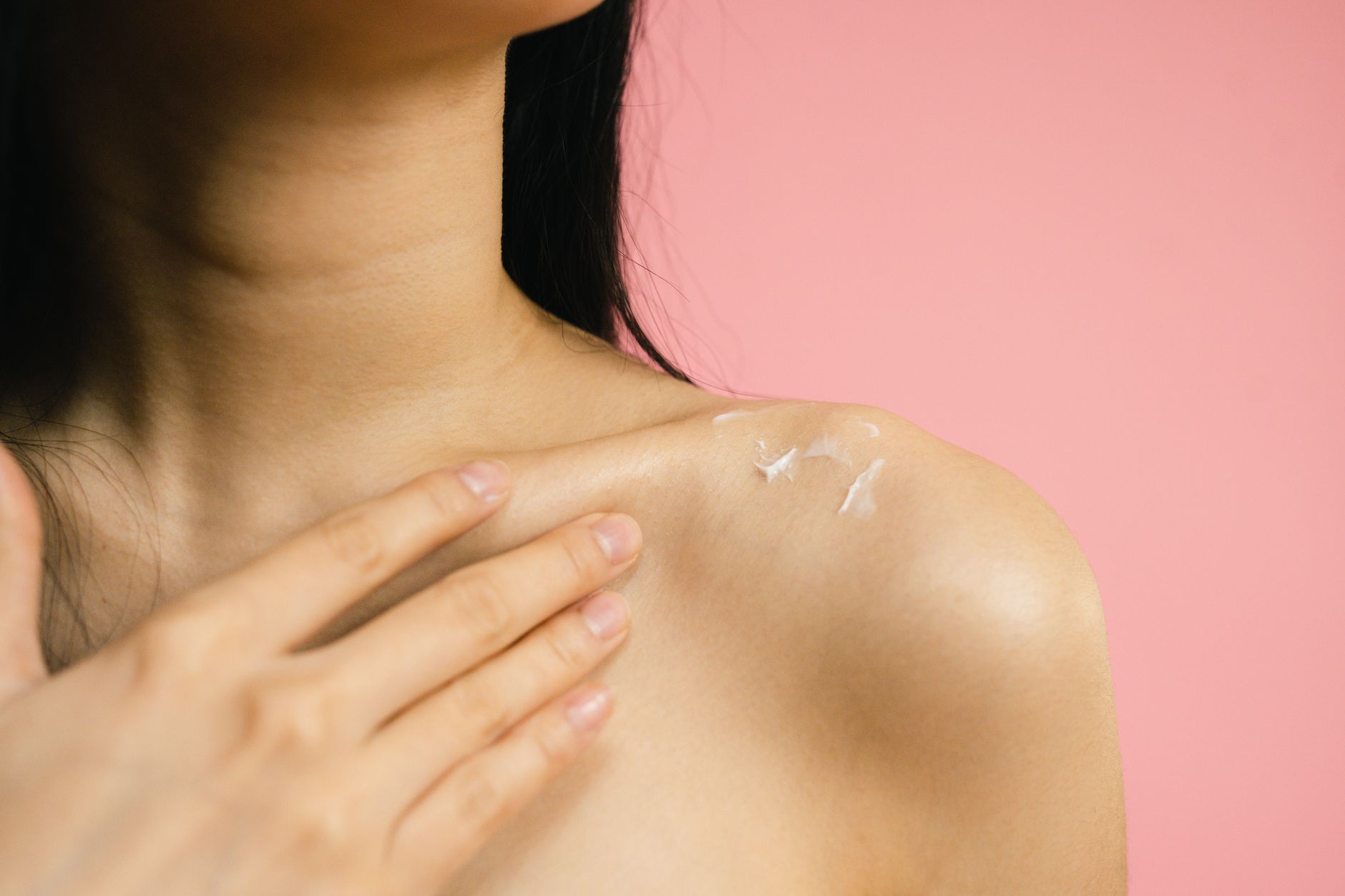
As of August 30, 2026, no documented FDA or American Academy of Dermatology announcement introduces a treatment specifically for chest acne. The main 2026 development is the FDA's May 22 switch of Differin Epiduo Acne Gel to nonprescription status for acne in adults and people aged 12 and older, according to the FDA's prescription-to-nonprescription switch list. Chest acne means acne vulgaris occurring on the chest. Current treatment recommendations address acne generally, so the practical questions remain severity, previous treatment response, pregnancy considerations, summer habits, and product storage.
Medical information disclaimer: This article is for general educational purposes only and does not provide medical advice, diagnosis, or treatment. Always consult a physician or other qualified health professional about symptoms, medications, tests, or treatment decisions.
Official resources:
- Read the original research from NIH — Use this page to review the original research.
- Read the official notice from FDA — Use this primary source to verify the official announcement.
Table of Contents
- What the 2026 nonprescription switch changes
- Which dermatology recommendations apply to the chest?
- Does the benzoyl peroxide warning change treatment?
- How can hot-weather breakouts be reduced?
- When is a dermatologist the practical next step?
- Where hormonal treatment may fit
What the 2026 nonprescription switch changes
The Differin Epiduo acne Gel switch changes how eligible patients can obtain that product. It does not establish a chest-specific approval or show that one medicine suits every type or severity of chest acne.
Check the package directions and age requirements before considering the product. Painful, deep, scarring, or extensive acne calls for a different decision than a limited breakout.
Which dermatology recommendations apply to the chest?
The AAD's 2024 evidence-based guideline remains the main clinical framework. It strongly recommends benzoyl peroxide, topical retinoids, topical antibiotics, and oral doxycycline, while addressing acne vulgaris generally rather than the chest alone.
The AAD guideline also strongly recommends isotretinoin for severe, scarring, psychologically burdensome, or treatment-resistant acne. These recommendations form a treatment menu, not instructions to combine every option without considering severity, age, pregnancy potential, and prior results.
Does the benzoyl peroxide warning change treatment?
The FDA says benzoyl peroxide can degrade into benzene under conditions such as extreme heat. That makes summer storage a legitimate product-quality concern, but it does not mean benzoyl peroxide itself has been withdrawn.
In 2025, the FDA tested 95 benzoyl-peroxide acne products and found elevated benzene in six. The resulting actions were retail-level voluntary recalls; more than 90% of tested products had undetectable or extremely low levels, and the agency considered the lifetime cancer risk from the recalled products very low, according to the FDA's testing report. For products used on the chest:.
- Follow the package's storage directions.
- Avoid exposing the container to extreme heat, including prolonged storage in a hot vehicle.
- Check the FDA notice for affected products rather than discarding every benzoyl-peroxide treatment.
How can hot-weather breakouts be reduced?
The FDA's heat concern involves product stability, while the AAD's summer advice involves the skin. The AAD says sweat mixed with bacteria and oil can clog pores and contribute to chest breakouts.
Its practical recommendations are straightforward: "Non-comedogenic" means formulated to avoid clogging pores. These measures may limit preventable flare-ups, but they cannot determine whether deep or scarring acne needs prescription treatment.
- Blot sweat instead of wiping or rubbing it.
- Wash sweaty clothing before wearing it again.
- Use oil-free or non-comedogenic products on the chest.
When is a dermatologist the practical next step?
Severe chest acne can involve deep, painful cysts or nodules and may leave scars. The AAD says store-bought products are unlikely to clear severe acne, making an assessment sensible when lesions are painful, deep, extensive, or scarring.
The FDA's revised June 2026 label reserves Absorica and Absorica LD, forms of isotretinoin, for non-pregnant patients aged 12 and older with severe recalcitrant nodular acne that has not responded to conventional therapy, including systemic antibiotics. The FDA-approved label also retains iPLEDGE REMS enrollment and pregnancy-testing requirements.
Where hormonal treatment may fit
The AAD notes that women with stubborn hormonal acne affecting the face, chest, or back may be candidates for hormonal treatment. This is an established dermatology pathway, not a new chest-acne approval announced in August 2026.
Spironolactone requires pregnancy prevention because exposure during pregnancy can cause serious birth defects. It is also generally not prescribed for acne in men, so anyone who could become pregnant should discuss that possibility before treatment begins.
You Might Also Like
- What Is New With Remedies and Acne in August 2026? Latest FDA and dermatology sources and Key Takeaways
- What Is New With Jawline Acne in August 2026? Latest FDA and dermatology sources and Key Takeaways
- What Is New With Exfoliation and Acne in August 2026? Latest FDA and dermatology sources and Key Takeaways