
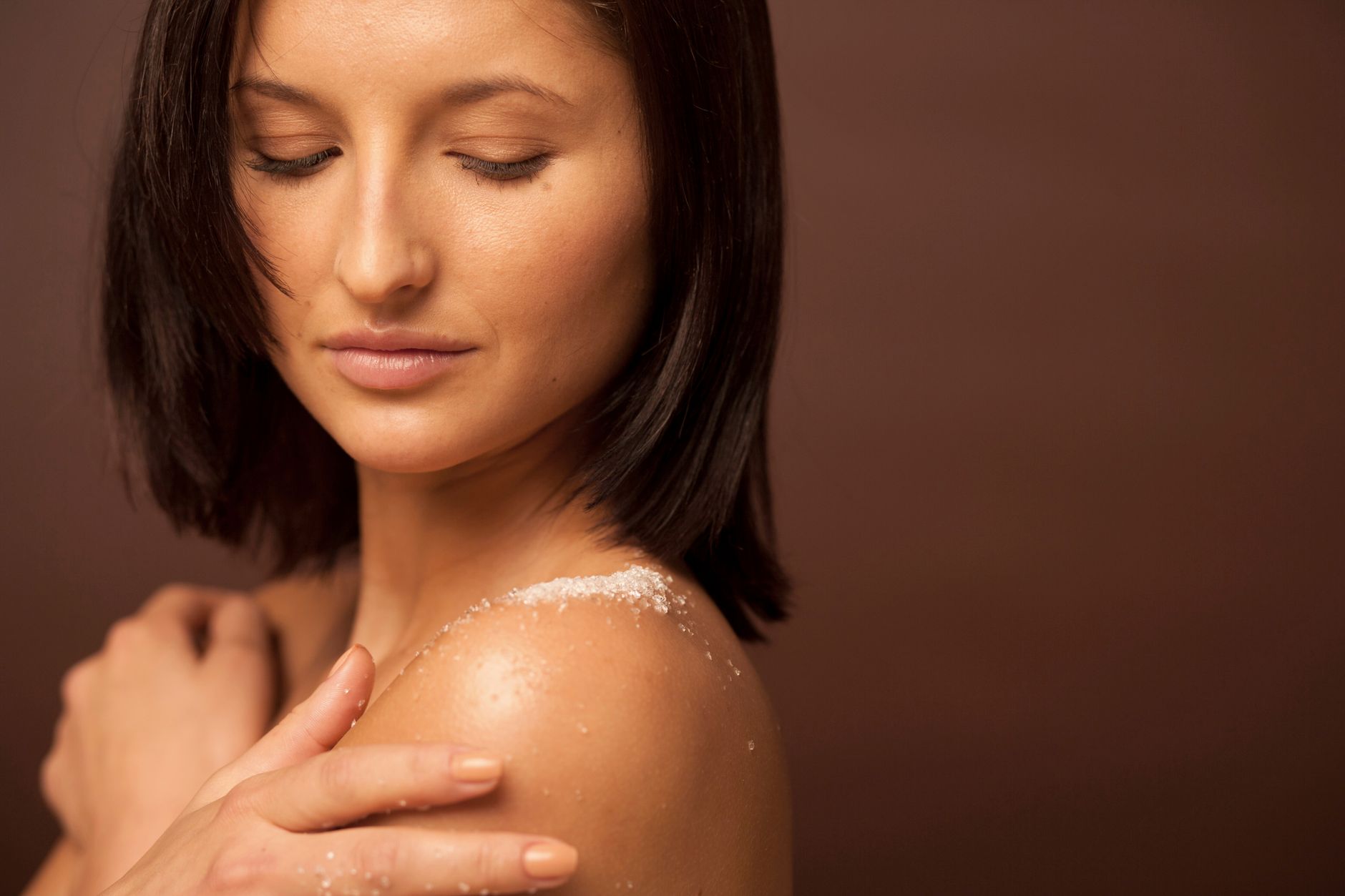
There is no verified new FDA action specifically on exfoliation and acne in August 2026. The relevant update is an FDA delay to isotretinoin safety-program changes, while dermatology guidance continues to favor gentle, limited exfoliation. Exfoliation removes dead cells from the skin's surface. For acne-prone skin, the main decision is whether exfoliation adds value without compounding irritation from existing treatments.
Medical information disclaimer: This article is for general educational purposes only and does not provide medical advice, diagnosis, or treatment. Always consult a physician or other qualified health professional about symptoms, medications, tests, or treatment decisions.
Official resources:
- FDA; March 11, 2025 — Use this primary source to verify the official announcement.
- FDA; June 16, 2026 — Use this primary source to verify the official guidance.
Table of Contents
- What actually changed in August 2026?
- Which exfoliation method is least likely to aggravate acne?
- Should people taking isotretinoin exfoliate?
- Salicylic acid is not the same as a chemical peel
What actually changed in August 2026?
The FDA postponed planned iPLEDGE REMS modifications from august 8 to November 15, 2026. The agency said the additional time would support system testing and help prevent interrupted isotretinoin access under the updated FDA schedule.
iPLEDGE is a risk-management program intended to reduce fetal exposure to isotretinoin, a treatment for severe recalcitrant nodular acne. The delay affects how that medication is managed; it is not a new FDA decision about scrubs, exfoliating acids, or chemical peels.
Which exfoliation method is least likely to aggravate acne?
The American Academy of Dermatology says acne-prone, dry, or sensitive skin may tolerate a washcloth or mild chemical exfoliant better than stronger mechanical exfoliation. Scrubbing can irritate skin and worsen breakouts. The AAD also warns that combining exfoliation with retinoids, retinol, or benzoyl peroxide can increase dryness or trigger breakouts in its February 2026 guidance. Mechanical exfoliation physically rubs the skin, as gritty scrubs and abrasive tools do.
Chemical exfoliants use ingredients such as salicylic, glycolic, or lactic acid to loosen surface cells. "Gentler" does not mean suitable for everyone. If an acne treatment is already drying or irritating the skin, adding another exfoliating step may create more problems than benefits. Aggressive exfoliation can also increase dark spots, especially in people prone to post-inflammatory pigmentation.
Should people taking isotretinoin exfoliate?
The warning is stronger for people taking isotretinoin. The AAD advises avoiding abrasive exfoliants and alpha- or beta-hydroxy acids, including glycolic, lactic, and salicylic acid, because isotretinoin already makes skin dry and vulnerable to irritation.
The iPLEDGE implementation delay does not change that skin-care advice. It changes the timing of administrative program modifications, not how isotretinoin affects the skin. Anyone taking isotretinoin should leave scrubs, AHAs, and BHAs out of the routine unless the prescribing dermatologist provides individualized instructions.
Salicylic acid is not the same as a chemical peel
The AAD's acne guideline conditionally supports topical salicylic acid because it exfoliates skin and helps unclog pores. However, the guideline found insufficient evidence to recommend chemical peels for acne in its assessment of acne treatments. That distinction matters. A topical salicylic-acid acne product and a high-concentration peel are not interchangeable simply because both may contain an exfoliating acid.
Concentration, exposure, application method, and professional supervision change the risk. The FDA says it has approved no chemical-peel products. It warns that high-concentration glycolic, salicylic, lactic, or trichloroacetic acid peels sold for home use can cause burns, infection, pigment changes, and scarring without professional supervision. Do not use an at-home peel marketed as a stronger shortcut for treating acne.