
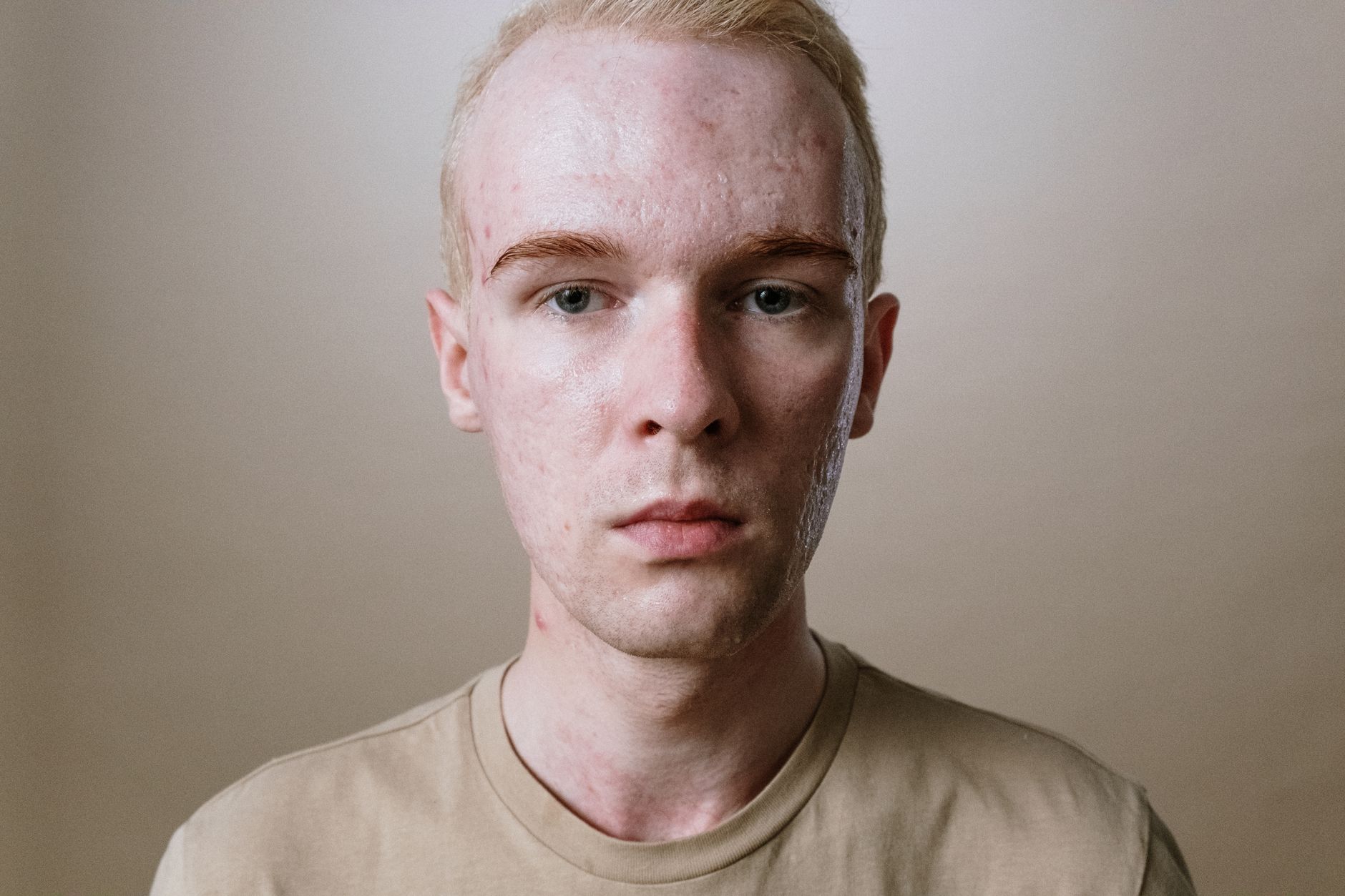
The August 2026 chest acne update brings new evidence about its burden, not a new cure or treatment guideline. A 20-country survey links truncal acne—acne on the chest, back, or both—with greater stigma, poorer treatment adherence, and more hospitalization. The findings matter because chest acne may require more attention during diagnosis and treatment planning. However, the latest studies show associations and practical challenges; they do not prove that truncal acne directly causes psychological distress, missed treatment, or hospital use.
Medical information disclaimer: This article is for general educational purposes only and does not provide medical advice, diagnosis, or treatment. Always consult a physician or other qualified health professional about symptoms, medications, tests, or treatment decisions.
Table of Contents
- What changed in August 2026?
- How strong is the broader evidence?
- Why can chest acne be harder to manage?
- Does the new evidence change treatment?
- What should readers watch next?
What changed in August 2026?
The main update came on August 25. In a survey of 1,879 adults with physician-diagnosed acne, truncal involvement remained associated with greater stigmatization, poorer adherence, and more hospitalization after the researchers accounted for other measured factors, according to the Acta Dermato-Venereologica study. This expands the evidence beyond lesion counts.
It suggests that asking about the chest and back can reveal treatment difficulties and social effects that facial examination alone may miss. The study was cross-sectional and conducted online. It captured participants at one point in time, so it cannot establish which problem came first or prove that truncal acne caused the reported outcomes. The hospitalization finding also should not be interpreted as proof that chest acne itself led to admission.
How strong is the broader evidence?
A separate 2026 UK study points in the same general direction. Truncal acne appeared in 63.6% of validated acne cases, while combined facial and truncal disease produced worse quality-of-life and psychological-distress scores than facial acne alone, according to the Dermatology and Therapy cohort. That 63.6% figure is not a general-population estimate.
Researchers retrospectively analyzed 2,038 consenting dermatology patients recorded between 2001 and 2020 at one UK center. People receiving secondary dermatology care may have more complex disease than people treating acne at home or in primary care. Together, the international survey and UK cohort support a practical point: chest involvement may identify patients carrying a heavier burden. They do not show that every person with a few chest lesions faces greater distress or needs stronger medication.
Why can chest acne be harder to manage?
A February 2026 Journal of Cosmetic Dermatology review describes several differences between facial and truncal skin. These include barrier thickness, oil activity, microbiota, sweating, friction, and occlusion from clothing. The authors suggest that these factors may contribute to deeper lesions and make broad-area topical treatment harder to maintain. Covering a large area also creates a basic adherence problem.
A treatment that seems manageable on the face may be awkward to spread across the chest or back every day, especially when irritation develops or part of the area is difficult to reach. These explanations remain provisional. The publication was a narrative review of evidence available through December 2025 and did not include a formal risk-of-bias assessment. Its proposed mechanisms should not be treated as definitive findings from a new clinical trial.
Does the new evidence change treatment?
No immediate guideline change follows from the August survey. Current American Academy of Dermatology guidance continues to support benzoyl peroxide, topical retinoids, topical antibiotics, and selected oral therapies. It also recommends limiting systemic antibiotics and combining topical or oral antibiotics with benzoyl peroxide to reduce antibiotic resistance, as summarized in the AAD acne guideline.
Trifarotene is not a new 2026 chest-acne treatment. The FDA label has permitted once-daily use on the face and/or trunk for patients aged 9 and older since 2019. The label warns that irritation, itching, and sunburn can occur. When discussing chest acne treatment, make the practical barriers explicit:.
- Identify every affected area, rather than discussing only visible facial acne.
- Mention missed applications, difficulty reaching the back, or trouble covering a broad area.
- Report irritation or itching instead of silently reducing or abandoning treatment.
- If an antibiotic is proposed, ask how benzoyl peroxide fits into the plan.
- Follow the prescribed amount and schedule rather than assuming facial-use instructions automatically suit the trunk.
What should readers watch next?
The clearest upcoming milestone is a recruiting Phase 3 study in China evaluating trifarotene for moderate facial and truncal acne. The study targets 561 participants and lists December 31, 2026, as its estimated completion date in the ClinicalTrials.gov record.
No new efficacy results from that trial are available yet. Completion dates can mark the end of planned study activity, not the release of analyzed results, so the next meaningful development will be posted findings rather than the calendar date alone.