
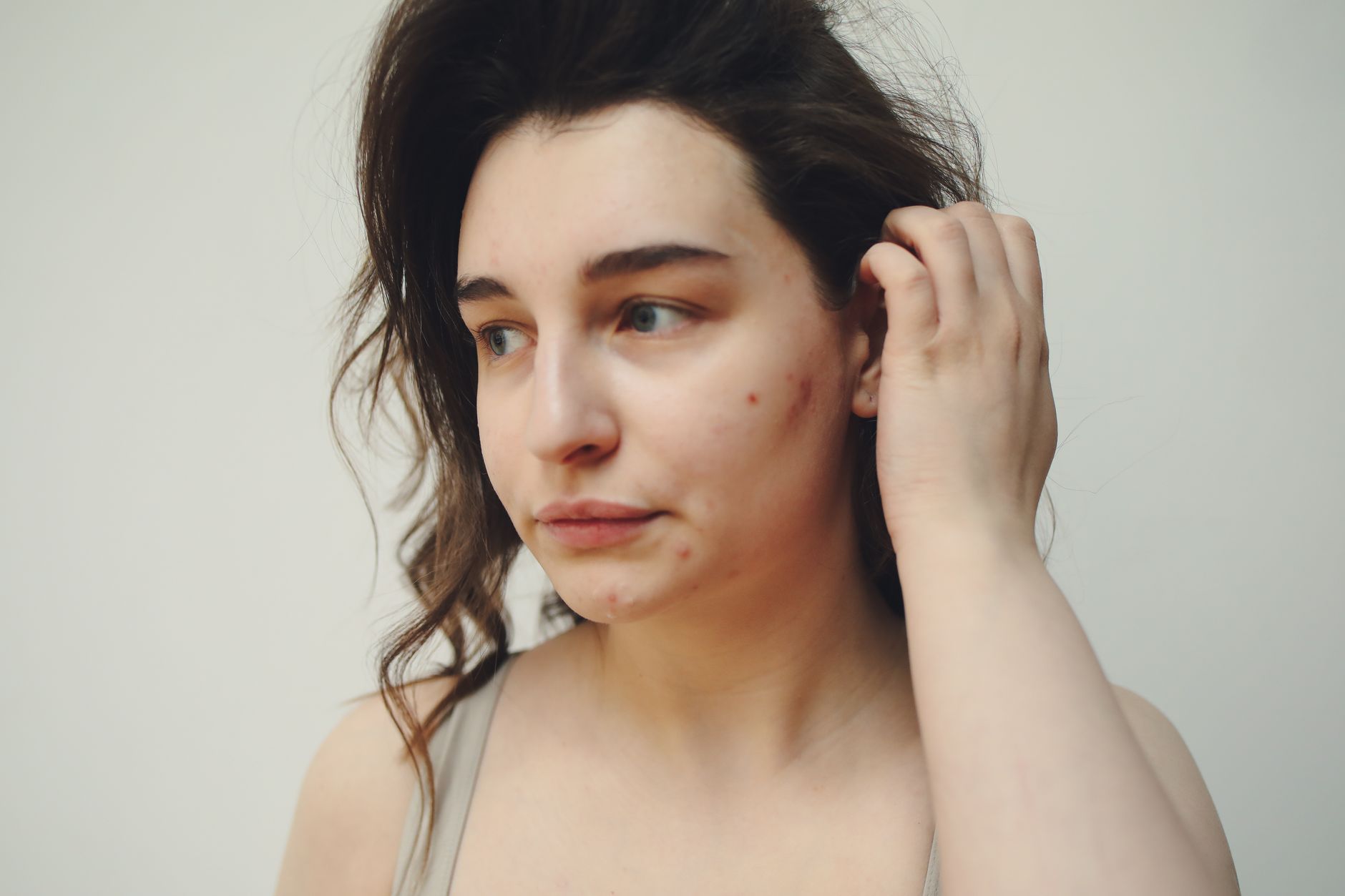
A forehead pimple most often signals oily skin, clogged pores, product irritation, or a hormonal shift, not organ disease. It reflects local skin conditions and body-wide hormone changes rather than liver, digestive, or bladder illness. Face mapping is the idea that each facial zone maps to an internal organ. That system comes from traditional charts, not modern skin science, and dermatologists do not use it for diagnosis.
Medical information disclaimer: This article is for general educational purposes only and does not provide medical advice, diagnosis, or treatment. Always consult a physician or other qualified health professional about symptoms, medications, tests, or treatment decisions.
Table of Contents
- Can a forehead pimple diagnose organ disease?
- Why does the forehead break out so easily?
- Which habits and products trigger forehead acne?
- How do hormones and stress affect the forehead?
Can a forehead pimple diagnose organ disease?
No. Traditional face-mapping charts linking forehead pimples to liver, digestive, or bladder disease have no support in modern dermatology trials. The McGill University Office for Science and Society reports that these maps do not help diagnosis in its face-map evidence review.
Weill Cornell dermatologist Shari Lipner also confirmed that face mapping lacks robust clinical trials. Location alone cannot identify an internal illness or guide treatment. A forehead breakout is far more useful as a clue about oil, friction, products, hormones, or yeast overgrowth. Persistent, deep, or cycle-linked lesions deserve medical attention for hormonal causes, not an organ guess.
Why does the forehead break out so easily?
The forehead sits in the T-zone, the oily central band across forehead, nose, and chin. Siam Dermatology explains that this area holds about 400–900 oil glands per square centimetre in its forehead acne causes guide. That density means excess sebum mixes quickly with sweat and dead skin.
Hats, headbands, bangs, and missed cleansing then trap the mixture against pores. The result is blackheads, whiteheads, and red pimples along the hairline and center forehead. Oily skin types see this pattern most. Dry skin types can still break out there after heavy products or friction.
Which habits and products trigger forehead acne?
Hair products are a common trigger. Pomades, waxes, gels, and unrinsed conditioner can migrate onto the forehead and cause "pomade acne" along the hairline. Friction and residue add to the load.
Sweaty hats, helmets, headbands, bangs, pillowcases, and wiping with dirty hands press oil and microbes into pores. Skipping makeup removal or double cleansing after sunscreen leaves a similar film. Small changes often clear mild cases:.
- Pull bangs back during workouts and wash headbands, caps, and pillowcases often.
- Choose non-comedogenic hair and skin products and rinse conditioner fully.
- Cleanse gently morning and night, especially after sweat, without harsh scrubbing.
How do hormones and stress affect the forehead?
Androgen shifts raise sebum and can trigger or worsen forehead acne. Puberty, menstrual cycles, pregnancy, menopause, polycystic ovary syndrome, and testosterone or corticosteroid drugs are common drivers, according to Cleveland Clinic Health Essentials in its adult acne overview. Stress does not start acne directly, but stress-related cortisol and androgen shifts stimulate oil glands.
That stimulation worsens existing acne, including on the forehead. Track timing, depth, and spread before your visit. Seek clinician evaluation for deep, painful, persistent, or menstrual-cycle-linked forehead lesions to check hormonal causes and match treatment to acne type.