
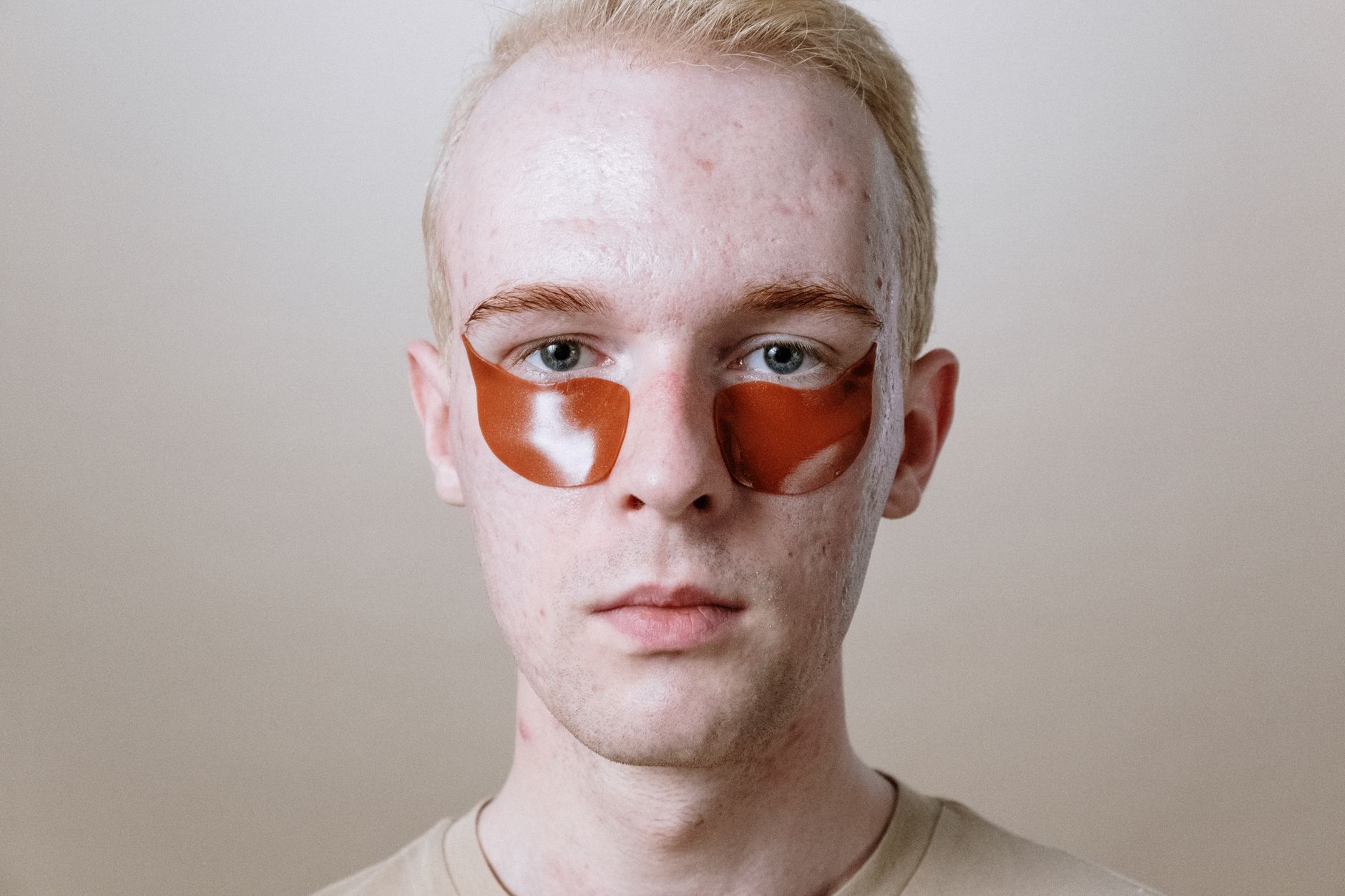
No, forehead acne alone does not mean your sleep schedule is off. Poor sleep can worsen existing acne, but forehead pimples often come from clogged pores, hair products, sweat, or hormones. Forehead spots are often comedonal acne, meaning blackheads, whiteheads, and small bumps from blocked pores. Sleep may play a role, but it is only one possible trigger.
Medical information disclaimer: This article is for general educational purposes only and does not provide medical advice, diagnosis, or treatment. Always consult a physician or other qualified health professional about symptoms, medications, tests, or treatment decisions.
Table of Contents
- Can poor sleep make acne worse?
- Why does the forehead break out so easily?
- What does a disrupted body clock do to oily skin?
- What should you check first?
Can poor sleep make acne worse?
A 2025 systematic review of 18 studies found acne linked to poor sleep, insomnia, and stress, while sleep loss worsened acne through hormones, inflammation, and immune changes, according to researchers writing in Dermatology Practical & Conceptual. The link ran both ways, so breakouts can also make sleep harder. The same review concludes poor sleep disrupts hormone control and skin balance, helping acne develop rather than just appearing alongside it.
The American Academy of Dermatology also lists getting too little sleep among factors that can worsen acne. Stress alone does not cause acne by itself, the Academy says, but it can aggravate breakouts already present. That distinction matters because better sleep may calm acne without curing it alone.
Why does the forehead break out so easily?
The forehead and chin trap oil, dead skin, makeup, sweat, and hair residue. Cleveland Clinic guidance on comedonal acne explains these clogs form when pores fill with excess sebum and dead cells, driven by androgens, abnormal shedding, and oily personal-care products. Forehead breakouts are therefore not specific to sleep.
Hair oils, pomades, bangs, hats, sweatbands, foundation, and hormonal shifts can also block forehead pores. Someone with late nights and pomade-related bumps, for example, may improve by changing hair products even if sleep stays imperfect. Sleep timing alone cannot diagnose the cause.
What does a disrupted body clock do to oily skin?
A late or irregular schedule can disturb the skin's daily rhythm. A 2025 dermatology review reports circadian disruption changes sebaceous-gland function through clock genes PER1, BMAL1, and CLOCK, according to the 2025 dermatology review of circadian rhythms and sebaceous-gland function. That disruption may raise lipid damage, hormone imbalance, and inflammatory signals that increase acne severity.
In plain terms, oil glands receive the wrong time cues and behave less steadily. This effect adds to clogged pores rather than replacing other causes. An oily forehead exposed to sweat and pomade will still need direct skin and hair care.
What should you check first?
Treat sleep as one check among several, not proof of cause. The American Academy of Sleep Medicine and Sleep Research Society recommend adults get 7 or more hours nightly, with 6 or fewer judged inadequate, in the American Academy of Sleep Medicine consensus recommendation.
If bumps persist despite steady sleep and cleaner forehead contact, review acne care with a dermatologist rather than cutting sleep further. Bring a list of hair products, medicines, and cycle-related flares.
- Keep a steady 7-hour sleep window for two weeks
- Pull hair products, oils, and heavy balms away from the forehead
- Wash sweat, hats, headbands, and pillowcases more often
- Use light, noncomedogenic makeup and moisturizer on the forehead