
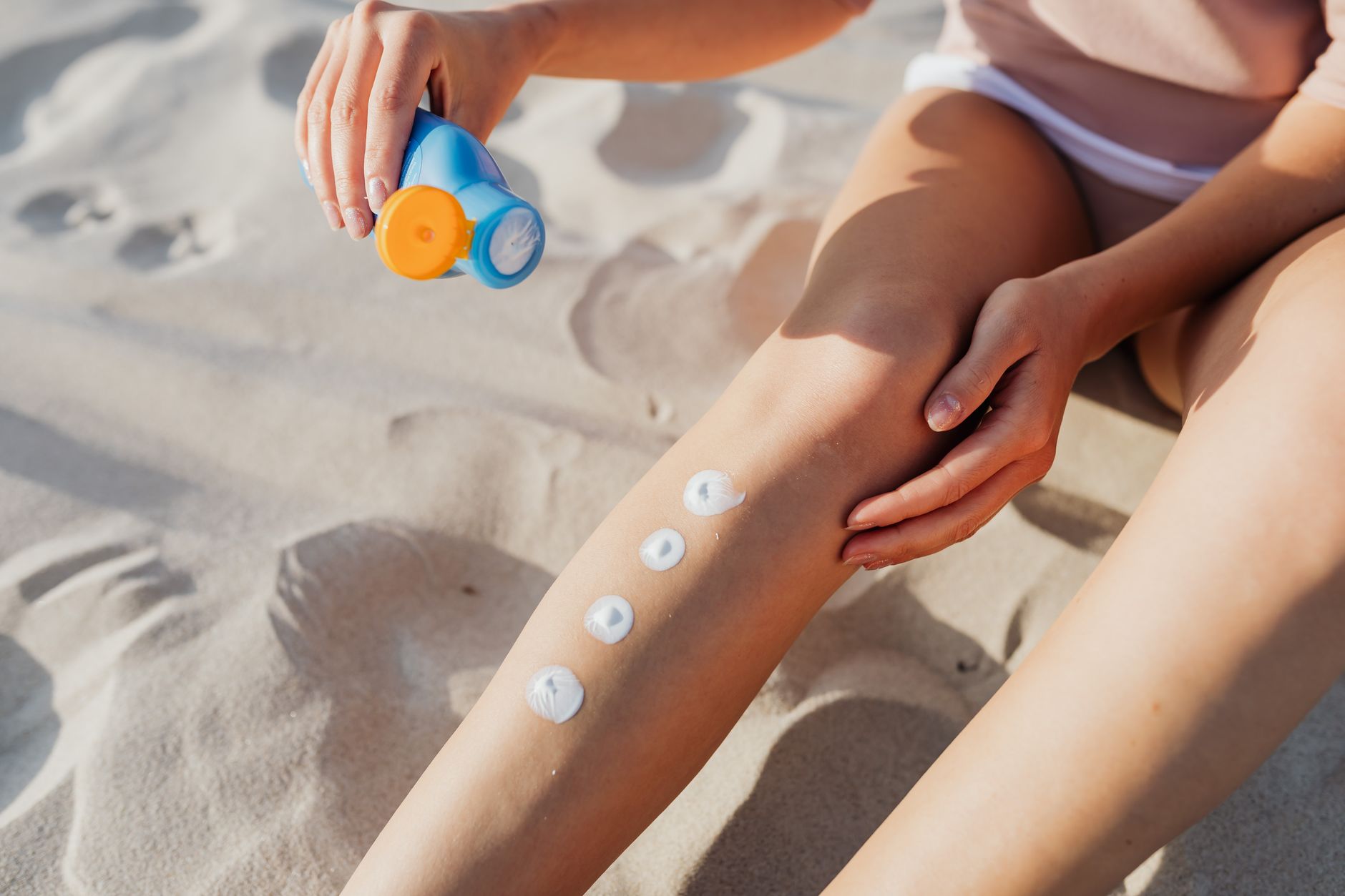
Sunscreen for acne-prone skin means sun protection that avoids clogging pores or worsening breakouts. Evidence says the base formula matters more than the filter, daily use helps dark marks fade, and limits remain. You still need daily protection from the sun's ultraviolet (UV) rays during breakouts and treatment. The sections below explain triggers, formula choices, safety findings, and practical next steps.
Medical information disclaimer: This article is for general educational purposes only and does not provide medical advice, diagnosis, or treatment. Always consult a physician or other qualified health professional about symptoms, medications, tests, or treatment decisions.
Table of Contents
- Why does sunscreen cause breakouts?
- Which formulas suit acne-prone skin?
- What do safety reviews show?
- What helps acne marks fade?
Why does sunscreen cause breakouts?
Dermatologist Joel Spitz says breakouts usually come from the lotion base, not the UV filter. This holds for mineral and chemical filters, according to a dermatologist guide on The Educated Patient.
Vehicle means the gel, lotion, or cream that carries the filter. A heavy vehicle can trap oil and bacteria against acne-prone pores.
Which formulas suit acne-prone skin?
Spitz advises products labeled noncomedogenic or nonacnegenic. Those labels signal less chance of clogging pores.
For daily wear, look for lighter textures over thick occlusive types: Spitz notes mineral filters with zinc oxide or titanium dioxide sit on skin rather than absorbing in. That surface action gives a slight edge for lower irritation risk.
- Choose noncomedogenic or nonacnegenic labels
- Prefer lighter gels or lotions over thick occlusive formulas
- Consider zinc oxide or titanium dioxide for lower irritation risk
What do safety reviews show?
The American Academy of Dermatology recommends broad-spectrum, water-resistant SPF 30 or higher for exposed skin. Reapply every two hours or after swimming or sweating, as stated in the AAD statement via Newswise. The FDA proposes zinc oxide and titanium dioxide up to 25% as generally recognized as safe and effective.
Twelve chemical filters including oxybenzone, avobenzone, and octocrylene lack enough data for that finding, which is not a finding of harm, according to the FDA Q&A on sunscreen regulation. A 2020 JAMA randomized trial found six chemical ingredients entered blood after one use. Levels stayed above 0.5 ng/mL for 7-21 days, prompting calls for more toxicity testing, as reported in the JAMA trial report.
What helps acne marks fade?
Consistent sunscreen limits extra melanin in acne marks. Melanin is skin pigment, so less excess helps dark flat marks fade faster.
Spitz notes that without sun care, post-inflammatory hyperpigmentation can persist months to over a year. Post-inflammatory hyperpigmentation means flat dark spots after pimples heal. Sunscreen speeds fading but does not erase indented scars.