
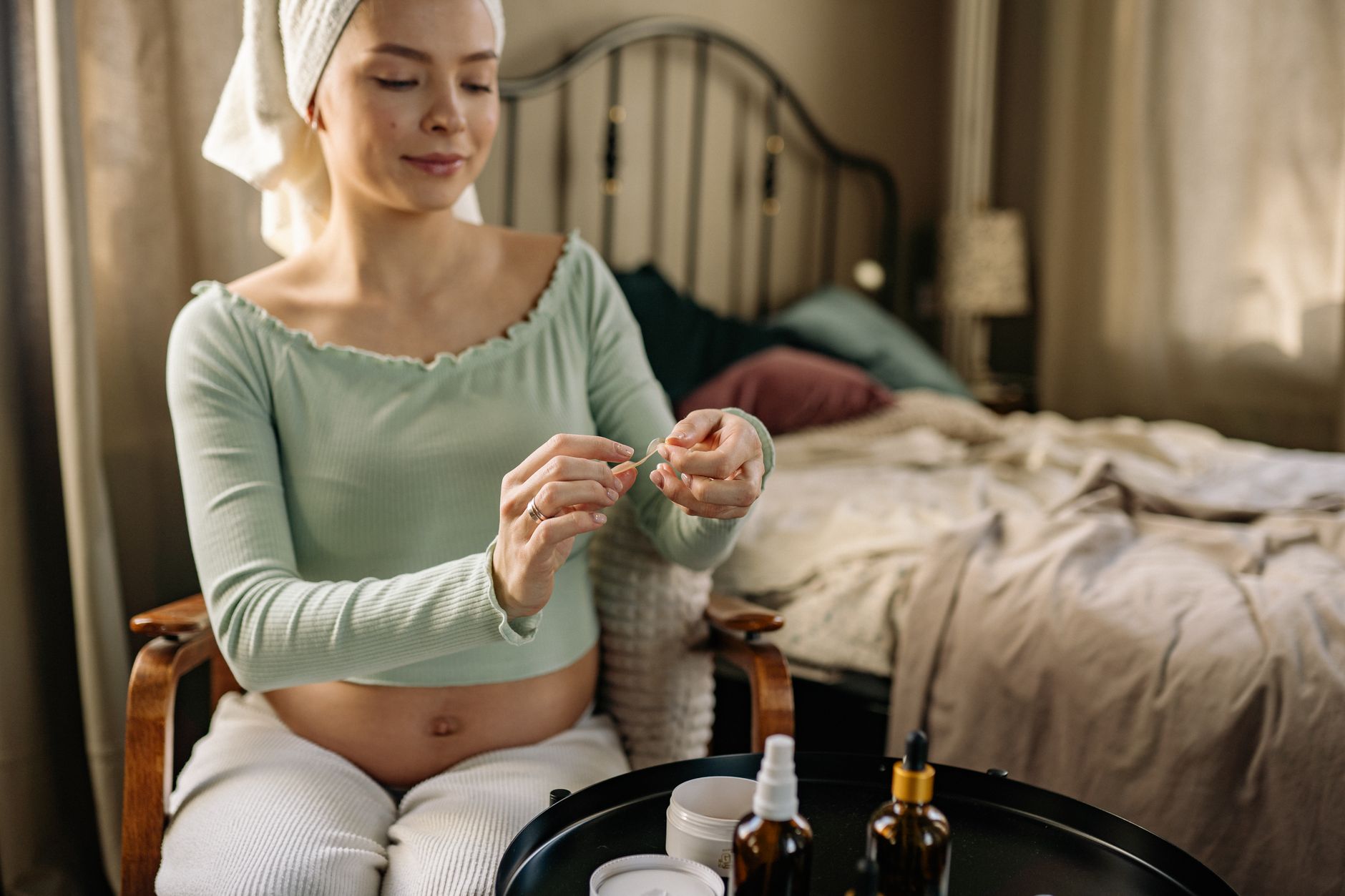
Pregnancy acne is breakouts that develop during pregnancy when extra skin oil clogs pores with dead cells and bacteria. Patients and families should know it is common, it can appear at any stage, and medication choices need clinician review. It helps to separate daily skin care from drug decisions. Gentle habits support healing, while prescription and over-the-counter ingredients call for obstetric and dermatology guidance.
Medical information disclaimer: This article is for general educational purposes only and does not provide medical advice, diagnosis, or treatment. Always consult a physician or other qualified health professional about symptoms, medications, tests, or treatment decisions.
Table of Contents
- Who gets it and why does it happen?
- What does pregnancy acne look like?
- Which acne treatments need pregnancy-specific caution?
- What daily habits help and how can families assist?
Who gets it and why does it happen?
More than 40% of pregnant patients develop acne, more often if they had acne before. According to UNM Health, it can affect any pregnant person at any stage UNM Health answers top pregnancy-acne questions.
Rising androgens, especially progesterone in the first two trimesters, increase skin oil production. That extra oil mixes with dead skin cells and bacteria and blocks pores, leading to breakouts.
What does pregnancy acne look like?
Pregnancy acne often appears as deep, red, painful nodular bumps. Nodular means firm lumps that start deeper in the skin rather than small surface whiteheads.
Breakouts may occur on the face, neck, chest or back. Inflammation can leave dark spots or scarring, so early gentle care and picking prevention matter.
Which acne treatments need pregnancy-specific caution?
Some prescription acne drugs should not be used in pregnancy. The American College of Obstetricians and Gynecologists says this includes topical retinoids and hormonal therapies that block specific hormones because of birth-defect and safety risks ACOG answers skin conditions during pregnancy. Oral isotretinoin must not be used by patients who are or may become pregnant.
The March of Dimes reports that any amount carries an extremely high risk of life-threatening birth defects affecting potentially any exposed fetus March of Dimes guidance on retinoids in pregnancy. American Academy of Dermatology expert guidance favors managing skin conditions without medication when possible. When treatment is needed, it points to pregnancy-compatible topicals and only limited courses of selected oral antibiotics while avoiding tetracycline antibiotics.
What daily habits help and how can families assist?
A calm routine protects the skin barrier and reduces irritation. Useful steps include: Families can help by keeping shared bathrooms stocked with gentle products, discouraging picking and checking labels for retinoids. Joint obstetrician-dermatologist review before starting or continuing acne drugs gives the patient one clear plan.
- Wash twice daily with a gentle, fragrance-free cleanser and lukewarm water
- Use oil-free, non-comedogenic moisturizer and sunscreen; non-comedogenic means formulated not to clog pores
- Avoid picking, squeezing, harsh scrubs and over-washing
- Bring every current and proposed acne product to prenatal visits