
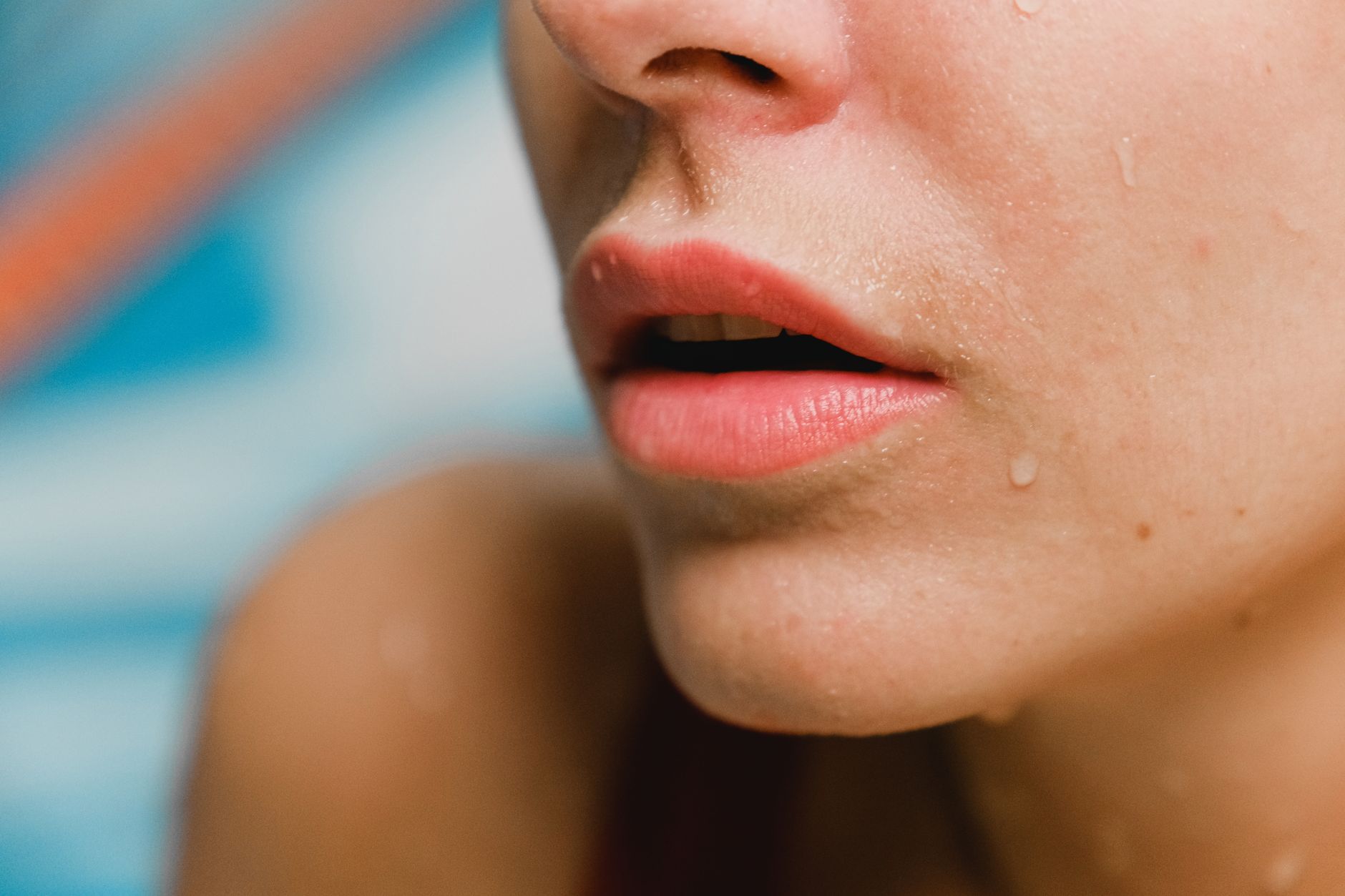
Understanding chin breakout hormonal means linking deep chin and jawline bumps to hormone shifts and knowing proven options and limits. Hormonal chin breakout is adult acne that clusters on the chin, jawline, lower cheeks, mouth, neck, chest and back. Cleveland Clinic reports these breakouts often feel deep, tender, or cystic rather than superficial. That pattern helps readers separate routine clogged pores from flares worth tracking across cycles and life stages.
Medical information disclaimer: This article is for general educational purposes only and does not provide medical advice, diagnosis, or treatment. Always consult a physician or other qualified health professional about symptoms, medications, tests, or treatment decisions.
Table of Contents
- What a hormonal chin breakout looks like
- Why androgens clog chin pores
- Who flares and when
- What to ask your dermatologist next
What a hormonal chin breakout looks like
Adult hormonal acne commonly centers on the chin, jawline, lower cheeks, mouth area, neck, chest and back. Cleveland Clinic describes the lesions in its adult acne guide as deep tender bumps or cysts.
Pain, depth, and location matter more than number alone. A few sore lumps along the chin and jaw before a period fit the pattern better than scattered surface blackheads.
Why androgens clog chin pores
Rising androgen activity stimulates sebaceous glands to make excess sebum. Cleveland Clinic explains in its hormonal acne overview that excess oil mixes with dead skin, clogs pores, and promotes bacterial inflammation.
That sequence explains tenderness and swelling. Oil plus trapped debris creates pressure inside the pore, then bacteria drive redness and pain.
Who flares and when
Adult women carry much of this burden. One survey found 44% reported premenstrual worsening, while another found 63% had at least 25% higher lesion counts premenstrually, according to Dermatology Times.
Pregnancy, menstrual cycling, menopause, stopping oral contraceptives, and androgen-excess conditions with irregular periods, excess hair growth, and weight gain can trigger painful cystic chin and jawline acne. Dermatologist Julie Harper states there is relatively little data explaining why individual women improve or worsen during pregnancy or menopause, so timing alone does not prove a hormone disorder.
What to ask your dermatologist next
Combined estrogen-progestin contraceptives can improve acne, while progestin-only methods such as depot medroxyprogesterone may worsen it. Dermatology Times reports AAD evidence citing 50%-100% acne reduction with spironolactone, which lowers androgen-driven sebum, with added detail in Cleveland Clinic's spironolactone review. Women with chin breakouts tied to menses should maintain baseline acne therapy and ask whether adding an oral contraceptive or spironolactone is appropriate, a step Cornell dermatologist Diane Berson emphasized in MDedge's report on menstrual flares.
- Track chin and jaw flares for two to three cycles with dates and severity
- Bring contraceptive history, cycle changes, hair growth, and weight changes
- Ask if baseline care plus hormonal therapy fits your history and risks