
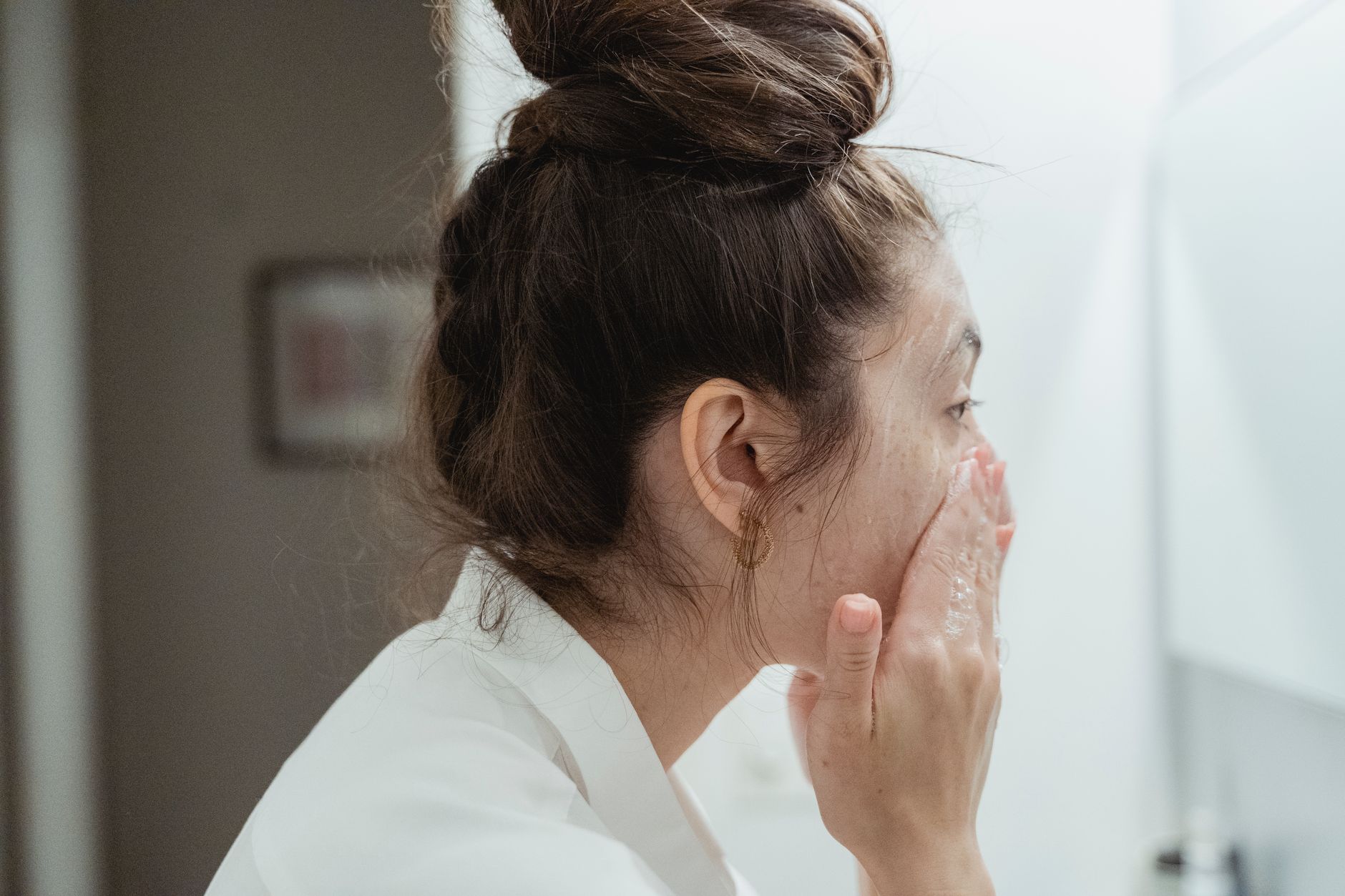
Clinique Acne Solutions is a salicylic-acid skincare line for mild-to-moderate acne that clears blemishes and helps prevent new ones. Evidence supports its pore-clearing action, but guidelines rank salicylic acid below stronger acne drugs and point to dermatology care for severe or resistant acne. Salicylic acid is a keratolytic, a drug that loosens the bonds between dead skin cells. Mild-to-moderate acne means scattered blackheads, whiteheads, and inflamed pimples without deep nodules or widespread scarring.
Medical information disclaimer: This article is for general educational purposes only and does not provide medical advice, diagnosis, or treatment. Always consult a physician or other qualified health professional about symptoms, medications, tests, or treatment decisions.
Table of Contents
- What Clinique Acne Solutions Contains
- How Salicylic Acid Opens Clogged Pores
- What Acne Guidelines Recommend
- How to Limit Irritation and Decide Next Steps
What Clinique Acne Solutions Contains
Clinique Acne Solutions Cleansing Foam is a wash-off treatment with 2% salicylic acid. According to the U.S.
National Library of Medicine, the product treats acne, clears blemishes, and helps prevent new blemishes in mild-to-moderate acne the DailyMed drug label. Clinique positions its Acne Solutions Clinical Clearing Gel as a daily leave-on treatment. Clinique states that the gel helps clear blemishes with 1% salicylic acid, alongside witch hazel and oil-control ingredients.
How Salicylic Acid Opens Clogged Pores
The University of Maryland Health Sciences Library summary describes salicylic acid as a keratolytic that decreases cohesion between keratinocytes. It also lowers stratum-corneum pH, the acidity of the outer skin layer.
That action softens plugs, opens clogged pores, and aids shedding of dead cells. For readers, this means fewer stuck plugs in oily areas such as the forehead, nose, and chin.
What Acne Guidelines Recommend
The 2024 American Academy of Dermatology acne guideline conditionally recommends salicylic acid with low certainty. According to Guideline Central's summary, the guideline strongly recommends benzoyl peroxide, topical retinoids, antibiotics, and combinations the AAD guideline summary.
The same AAD guidance favors topical therapy with multiple mechanisms. It recommends combining benzoyl peroxide with antibiotics and limiting systemic antibiotics to reduce resistance. Benzene concern has also been limited: according to the FDA testing update, testing of 95 benzoyl-peroxide products found more than 90% had undetectable or extremely low benzene the FDA benzene testing update.
How to Limit Irritation and Decide Next Steps
The DailyMed label for the Clinique foam warns that combining salicylic-acid products with other topical acne drugs can increase dryness or irritation. Practical steps from that label include: People with severe, scarring, painful, persistent, or treatment-resistant acne should seek dermatology care. Guideline Central's summary notes that AAD recommends isotretinoin for severe acne or after standard topical or oral therapy fails.
- use one acne medication at a time unless a clinician directs otherwise
- cut back to every other day if peeling occurs
- stop layering scrubs, astringents, or second acne drugs during burning or flaking