
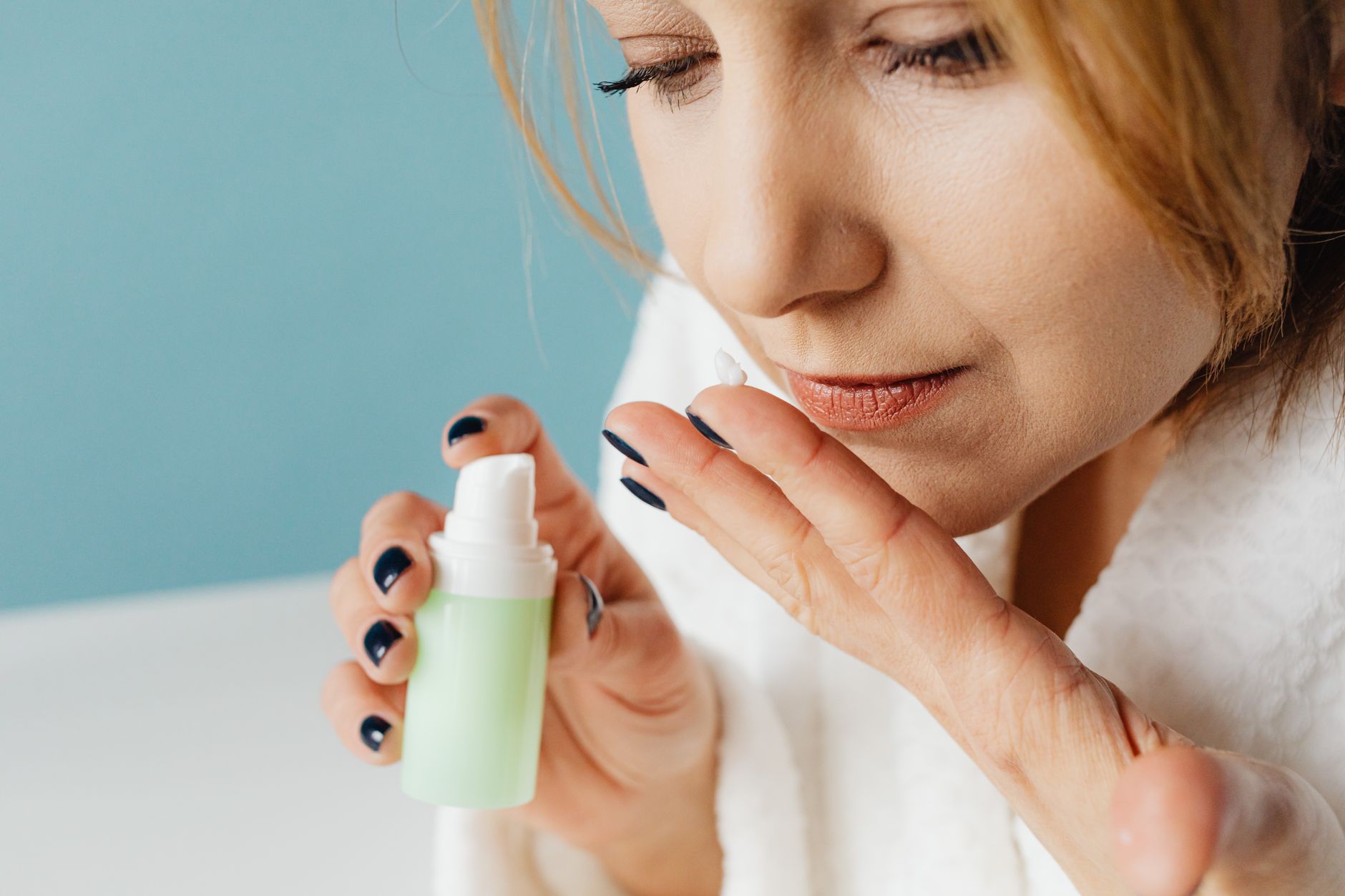
The 2026 discussion of topical hormonal acne care centers on clascoterone 1% cream, a first-in-class topical androgen-receptor inhibitor for acne vulgaris. For adults with persistent acne, it is an add-on for androgen-driven patterns, not a replacement for proven combination care.
An androgen-receptor inhibitor blocks hormone signals in skin that raise oil and clog pores. Persistent acne means acne that continues after age 25, often from the teen years. A headline about hormonal success can sound like a cure, but trial design and guideline advice point to narrower use.
Medical information disclaimer: This article is for general educational purposes only and does not provide medical advice, diagnosis, or treatment. Always consult a physician or other qualified health professional about symptoms, medications, tests, or treatment decisions.
Table of Contents
- What makes clascoterone hormonal?
- Who still has acne after 25?
- Why headline results look bigger than they are
- How to add it without dropping proven care
What makes clascoterone hormonal?
Clascoterone 1% cream (Winlevi) targets androgen receptors in skin rather than bacteria or shedding alone. According to the U.S. FDA DailyMed label, it is approved for acne vulgaris in patients 12 years and older. The label directs a thin layer twice daily to affected skin, as detailed in the FDA label.
Two identical Phase 3 randomized trials enrolled 1,440 patients age 9 and older with moderate-to-severe facial acne. JAMA Dermatology reported clascoterone superior to vehicle for lesion counts and global severity, with low adverse-event rates, according to the trial report via PubMed. Long-term open-label follow-up found the safety profile held for up to 9 months. Mild local redness and dryness were the most common skin reactions rather than systemic effects, as reported by Practical Dermatology. The FDA label also warns of reversible HPA suppression, a brief drop in stress-hormone control, in a small fraction of users after 2 weeks, all normal by 4-week follow-up.
Who still has acne after 25?
Persistent adult female acne affects about 15-22% of women ages 25-50, with mean age around 35, as described in a 2024 Cosmetics review and an Anais Brasileiros de Dermatologia practice guide. Most cases persist from adolescence rather than starting fresh in adulthood. The pattern links to androgen-receptor sensitivity, excess male-type hormone activity, menstrual flares, and conditions such as PCOS. Chin, jawline, and lower-face breakouts that worsen before periods are common examples.
That pattern explains interest in a topical hormone-blocking route. An androgen-driven pattern still needs medical context. Underlying endocrine disease still needs workup and care, not a cream alone. A dermatologist can weigh cycle history, hair growth, irregular periods, and family pattern.
Why headline results look bigger than they are
Trials tested clascoterone against vehicle, not against a full retinoid combination. Effect sizes were modest, and combination studies reported in the Journal of Drugs in Dermatology in 2026 keep focus on added benefit rather than solo cure. Vehicle control shows the drug works, but it does not show it beats standard care.
The American Academy of Dermatology 2024 guideline only conditionally recommends topical clascoterone despite high-certainty efficacy evidence, citing high cost and equitable-access concerns, while strongly recommending benzoyl peroxide, topical retinoids, and combinations, as summarized in the guideline summary. For readers, the meaning is direct. Hormonal action is real, but AAD still advises multimodal retinoid-based care. Do not drop a working retinoid plus benzoyl peroxide backbone to try clascoterone alone.
How to add it without dropping proven care
AAD management guidance, as summarized by MedicalXpress, points adults with persistent acne to keep the retinoid plus benzoyl peroxide base. Add prescription clascoterone twice daily only for androgen-driven patterns after dermatology review of irritation, HPA risk, maintenance need, and cost.
Bring a list of current retinoid, benzoyl peroxide, and moisturizer use plus flare timing to that visit. Ask how long to trial the add-on, what redness or dryness should trigger a call, and what maintenance looks like if skin clears.
- Keep topical retinoid plus benzoyl peroxide as the base routine
- Add prescription clascoterone twice daily only for androgen-driven patterns after dermatology advice
- Avoid broken, eczematous, or sunburned skin and watch for local irritation
- Review HPA risk, need for ongoing maintenance, and cost before starting
You Might Also Like
- Limited Topical Spironolactone Evidence in the 2026 Review: How Adults With Persistent Acne Can Compare Treatment Options
- Adult Female Acne Antiandrogen Treatments in a 2026 Review: How Adults With Persistent Acne Can Compare Treatment Options
- Spironolactone, Metformin, and Bicalutamide for Acne in a 2026 Review: How Adults With Persistent Acne Can Compare Treatment Options