
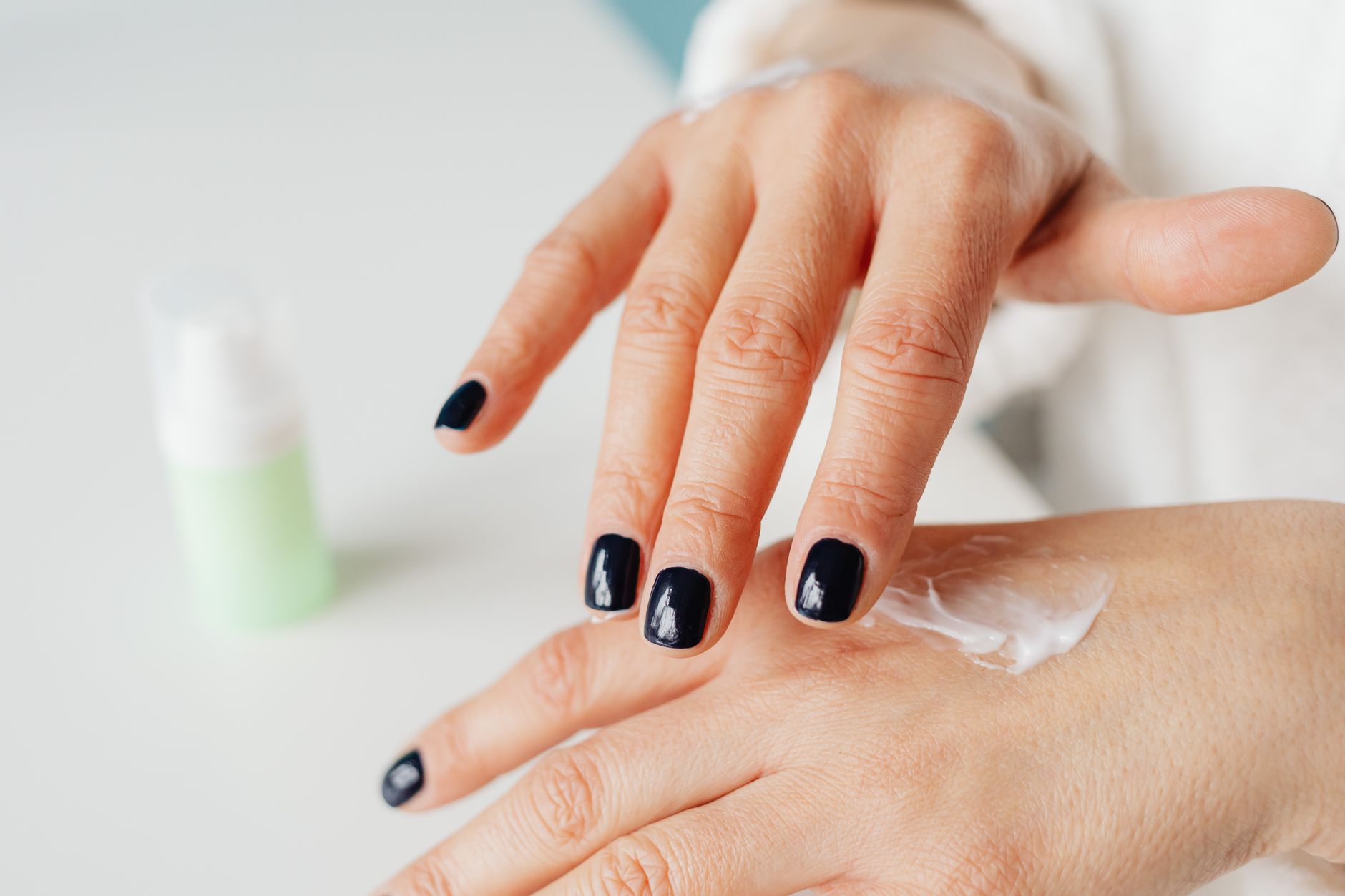
Adults with persistent acne can compare topical clascoterone cream 1% as a modest-benefit hormonal option that works best alongside retinoids and benzoyl peroxide. Clascoterone cream 1%, sold as Winlevi, is a twice-daily topical that blocks androgen receptors in oil glands and hair follicles. The FDA approved it on August 26, 2020 for acne vulgaris in patients 12 years and older, according to Drugs.com approval history. Drugs.com notes it was the first new acne mechanism in nearly 40 years.
Medical information disclaimer: This article is for general educational purposes only and does not provide medical advice, diagnosis, or treatment. Always consult a physician or other qualified health professional about symptoms, medications, tests, or treatment decisions.
Table of Contents
- What does clascoterone do in adult skin?
- How well does twice-daily use clear acne?
- How do you use it and manage irritation?
- Where does it fit beside core treatments?
- How can adults compare options at a visit?
What does clascoterone do in adult skin?
Clascoterone competes with androgens, especially DHT, for binding to androgen receptors in sebaceous glands and hair follicles. Sun Pharma reports this competition aims to reduce androgen-driven oil-gland activity at the skin surface.
The drug is rapidly metabolized in skin, which limits systemic absorption, according to Sun Pharma via BioSpace. For adults, that local action is why clinicians discuss it as a hormonal option.
How well does twice-daily use clear acne?
Two identical 12-week Phase 3 trials enrolled 1,440 patients age 9 and older with moderate-to-severe facial acne. Twice-daily clascoterone achieved success in 18.4% versus 9.0% in one trial and 20.3% versus 6.5% in the other. JAMA Dermatology reports both success differences as significant at p less than 0.001 in the trial report.
The same trials showed greater absolute reductions in inflammatory and non-inflammatory lesions with clascoterone than vehicle. Penn State's record of the trial data notes most patients did not reach clear or almost-clear. That pattern shows modest absolute benefit despite the statistical win.
How do you use it and manage irritation?
FDA labeling directs a thin uniform layer twice daily in the morning and evening, according to DailyMed in the current labeling. Adults typically fit those two doses into morning and evening routines. Sun Pharma and Morningstar report adverse events were mainly mild and similar to vehicle.
Reported effects were mostly local pruritus, burning, redness or peeling. Labeling advises reducing frequency or stopping use if irritation occurs. DailyMed reports HPA-axis suppression in 1 of 20 adults and 2 of 22 adolescents after 2 weeks of use. All cases returned to normal by the 4-week follow-up.
Where does it fit beside core treatments?
The 2024 American Academy of Dermatology guidelines strongly recommend benzoyl peroxide, topical retinoids and combinations. Guideline Central's summary lists clascoterone as conditionally recommended, indicating lower certainty than those core options, in the guideline summary. Clascoterone is often used in combination regimens, most commonly with retinoids such as adapalene or trifarotene, according to The Dermatology Digest.
The Digest reports laboratory layering tests found it chemically stable alongside tretinoin, adapalene, dapsone, azelaic acid and benzoyl peroxide combinations. That placement means adults should compare clascoterone as an add-on for persistent lesions, not as a substitute for a retinoid. Tolerability, twice-daily burden, and combination stability matter more than mechanism novelty.
How can adults compare options at a visit?
Start with what has failed and what skin tolerates. List current retinoid, benzoyl peroxide, and moisturizer use plus prior irritation.
Use the visit to test fit against core options. Ask the clinician these comparison questions: Bring your full product list and irritation history so the clinician can set frequency and follow-up. Reduce frequency or seek advice promptly if burning, redness, or peeling worsens.
- Do my remaining inflammatory and non-inflammatory lesions warrant an add-on hormonal approach?
- Can I sustain twice-daily application with my work and skin-care routine?
- How should we sequence or layer clascoterone with my retinoid and benzoyl peroxide?
- What irritation level should prompt a frequency change or follow-up call?
You Might Also Like
- Topical Hormonal Acne Treatments in a 2026 Review: How Adults With Persistent Acne Can Compare Treatment Options
- Oral Doxycycline for Acne in a 2026 Systematic Review: How Adults With Persistent Acne Can Compare Treatment Options
- Milk, Dairy, and Acne Evidence Revisited in 2026: A Food and Breakout Tracking Plan for Adults With Persistent Acne