
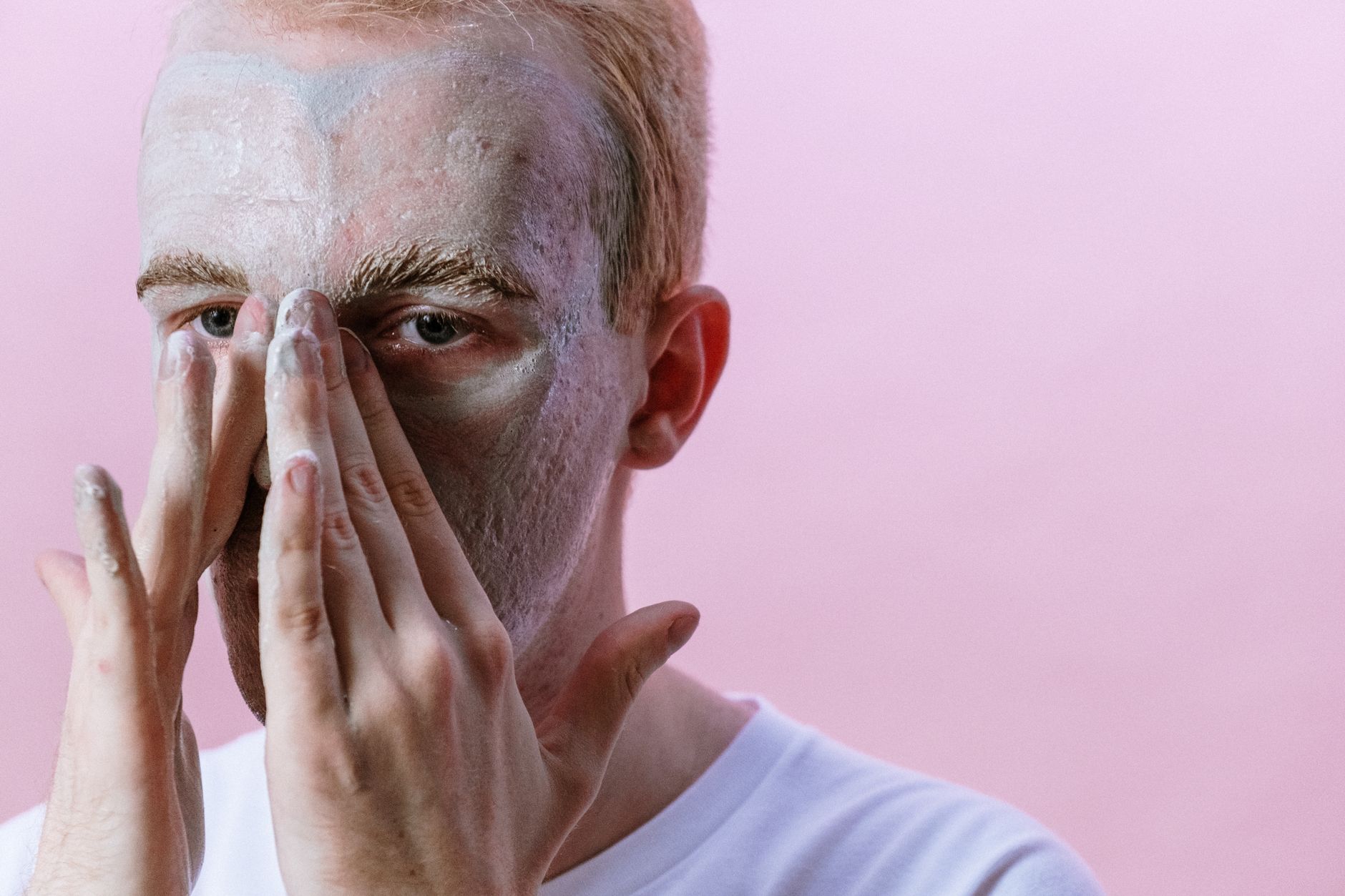
Adults with persistent acne should skip topical clindamycin or erythromycin alone. Compare short antibiotic-benzoyl peroxide courses against non-antibiotic maintenance with retinoid plus benzoyl peroxide and other targeted options. Acne vulgaris means clogged pores, bacterial growth, and inflammation that cause pimples, blackheads, and tender lumps. Resistance in Cutibacterium acnes, the skin bacterium linked to acne, makes solo antibiotics a weak long-term bet.
Medical information disclaimer: This article is for general educational purposes only and does not provide medical advice, diagnosis, or treatment. Always consult a physician or other qualified health professional about symptoms, medications, tests, or treatment decisions.
Table of Contents
- What did the 2026 review find?
- How common is antibiotic resistance?
- What works better than solo antibiotics?
- How should adults compare options now?
What did the 2026 review find?
The 2026 review in Clinical Drug Investigation found topical antibiotic monotherapy gives only mild, inconsistent benefit for acne vulgaris the 2026 analysis in Clinical Drug Investigation. Safety looked uncertain across lesion types. The authors said routine solo use is not justified because of resistance concerns.
That finding matters for adults whose breakouts persist for months or return after treatment. A cream that helps a few small pimples briefly may fail on deeper or widespread lesions. Solo use also exposes skin bacteria to the drug without killing resistant strains.
How common is antibiotic resistance?
A 2025 review in Frontiers in Microbiology pooled 23 studies and 2,046 bacterial samples the pooled resistance estimates in Frontiers in Microbiology. It estimated 29.20% resistance to erythromycin, 22.38% to clindamycin, and 2.44% to doxycycline. Erythromycin resistance rose from about 10% in 2008 to 44% in 2024.
Those numbers are averages, not personal predictions. The same review reported high variation between studies, with I-squared around 85% for clindamycin, plus differences by region, time, and test method. Your own strain could be sensitive or resistant.
What works better than solo antibiotics?
The American Academy of Dermatology 2024 acne guidelines strongly favor benzoyl peroxide, topical retinoids, and fixed-dose combinations the Academy guidelines in the Journal of the American Academy of Dermatology. Antibiotics, topical or oral, should pair with benzoyl peroxide. Oral courses should stay short to limit resistance.
A network meta-analysis in the British Journal of Dermatology found no convincing proof that topical products with antibiotics beat those without them. It ranked combined retinoid plus benzoyl peroxide among the best choices for mild-to-moderate acne. Retinoids unclog pores, benzoyl peroxide kills bacteria without breeding classic antibiotic resistance, and the pair covers two causes at once.
How should adults compare options now?
Access to non-antibiotic combos has widened. In May 2026 Galderma announced FDA approval to sell Differin Epiduo gel with adapalene 0.1% plus benzoyl peroxide 2.5% over the counter for ages 12 and older the FDA approval notice from Galderma.
That gives adults a prescription-strength retinoid plus benzoyl peroxide choice without a pharmacy prescription. Use this quick check when comparing treatments: Bring a list of antibiotic creams you already tried and ask what non-antibiotic maintenance fits next.
- Avoid clindamycin or erythromycin alone for persistent acne.
- Ask if any antibiotic is short-term only and paired with benzoyl peroxide.
- Compare maintenance with retinoid plus benzoyl peroxide, azelaic or salicylic acid, hormonal therapy, or isotretinoin for severe disease.
You Might Also Like
- Spironolactone, Metformin, and Bicalutamide for Acne in a 2026 Review: How Adults With Persistent Acne Can Compare Treatment Options
- Topical Hormonal Acne Treatments in a 2026 Review: How Adults With Persistent Acne Can Avoid Overreading the Headline
- Limited Topical Spironolactone Evidence in the 2026 Review: How Adults With Persistent Acne Can Avoid Overreading the Headline