
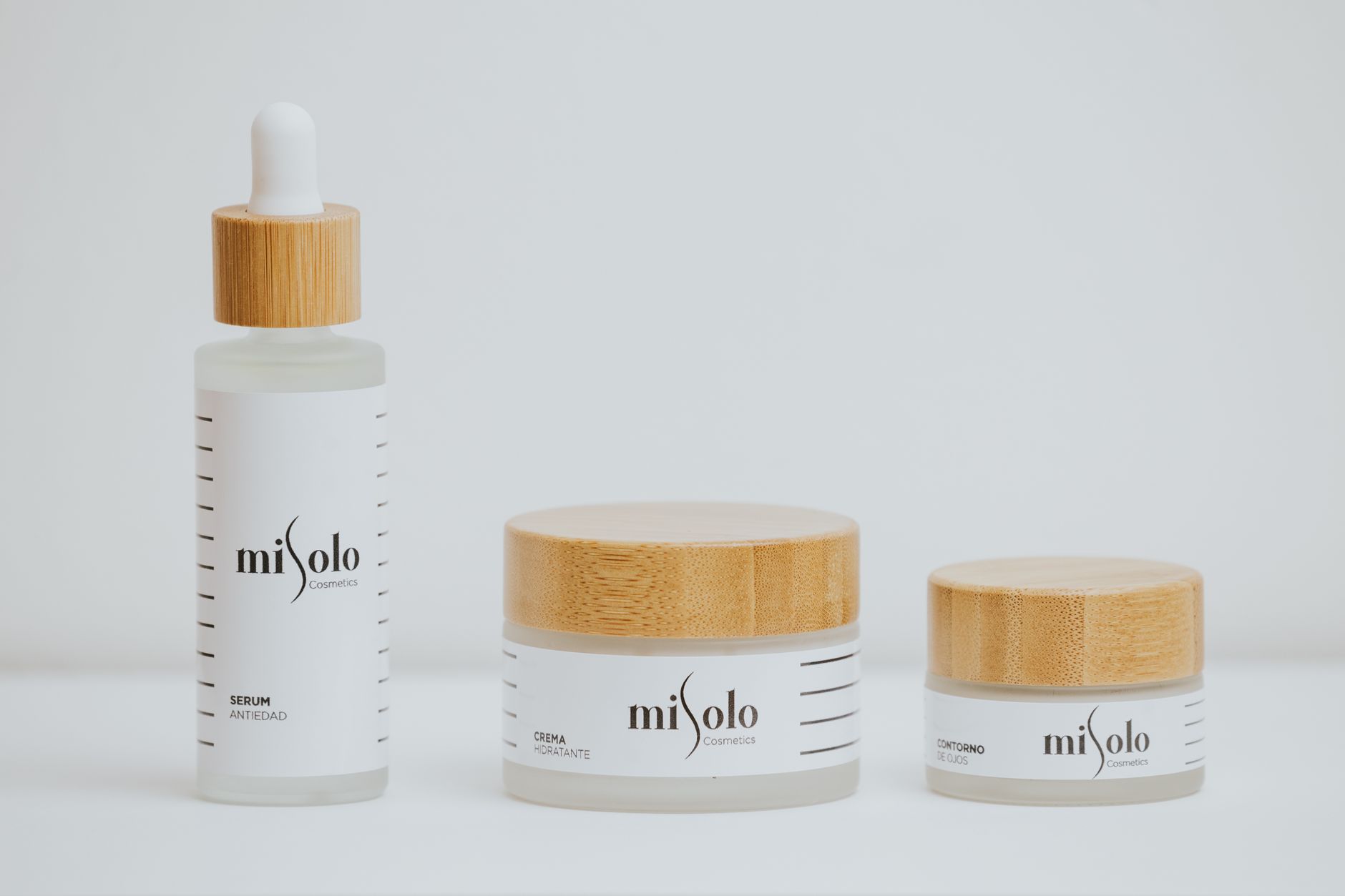
Microbiome-friendly acne care in 2026 means products meant to support helpful skin and gut microbes while improving breakouts, and people comparing acne supplements are asking about safety and skin reactions. Current reviews find prebiotics, probiotics and postbiotics can reduce lesions with favorable short-term safety, mostly when added to standard acne therapy. That safety record does not mean every blend is gentle or proven. Formulas vary by strain, dose, added vitamins and minerals, and non-drug ingredients that can irritate skin.
Medical information disclaimer: This article is for general educational purposes only and does not provide medical advice, diagnosis, or treatment. Always consult a physician or other qualified health professional about symptoms, medications, tests, or treatment decisions.
Table of Contents
- What do reviews say probiotics can do for acne?
- Which common supplement ingredients need closer safety checks?
- Does FDA oversight guarantee a supplement is safe and effective?
- Can a microbiome-friendly formula still irritate skin?
- How should shoppers compare acne supplements?
What do reviews say probiotics can do for acne?
Probiotics are live microbes taken by mouth or applied to skin to calm inflammation and support barrier function. A 2025 scoping review found oral and topical probiotics reduced acne lesions, improved skin-barrier function and lowered inflammatory markers, with some effects similar to antibiotics or benzoyl peroxide but varying by strain.
A Weill Cornell evidence review also found probiotics had anti-inflammatory effects and improved inflammatory lesion counts with no potential safety concerns. A 2026 review of prebiotics, probiotics and postbiotics for acne found lesion reductions and favorable safety with no serious adverse events, mostly as add-ons to standard therapy, according to Medscape's summary of the 2026 review.
Which common supplement ingredients need closer safety checks?
Zinc appears often in acne blends. It most commonly causes stomach upset, acne-benefit data are mixed, and long-term intake above 40 mg per day raises risk of copper deficiency, anemia and neurologic effects, according to Practical Dermatology's report on the Weill Cornell review. Vitamin A, B-complex, nicotinamide and biotin have limited acne-efficacy evidence in that same review.
High-dose vitamin A is the larger concern because it can cause isotretinoin-like effects, including birth-defect risk during pregnancy. DIM has the weakest acne case among popular picks. The Weill Cornell reviewers found no acne trials for DIM and noted links to severe reactions including DRESS, pulmonary embolism and stroke, according to Practical Dermatology's acne-supplement ranking.
Does FDA oversight guarantee a supplement is safe and effective?
No. The FDA does not approve dietary supplements or labeling before marketing; makers are responsible for safety, while the agency enforces manufacturing standards and acts after the sale against unsafe or mislabeled products, according to Medical Daily's summary of FDA policy.
That makes label reading and reaction reporting more important. Shoppers should save the product name, lot number, dose and start date, stop a product that causes spreading rash, swelling, chest pain, severe stomach symptoms or mood changes, and report serious reactions to FDA's Safety Reporting Portal.
Can a microbiome-friendly formula still irritate skin?
Yes. A 2025 laboratory study tested common cosmetic ingredients such as ethanol, glycerol and polysorbate 80 directly on Cutibacterium acnes. It showed that non-drug formula ingredients can disturb skin-microbiome balance and affect irritation risk.
Standard acne guidance adds context for combination use. The American Academy of Dermatology's 2024 acne guidelines strongly recommend benzoyl peroxide to reduce acne bacteria and advise pairing topical or oral antibiotics with benzoyl peroxide to limit resistance. Sarecycline may have fewer off-target microbiome effects, but comparative trials are lacking.
How should shoppers compare acne supplements?
Most human microbiome-acne supplement data come from small, short pilot trials. Compare products on strain identity, dose, treatment length, zinc and vitamin A amounts, pregnancy warnings and whether results came from an add-on trial rather than a supplement-only trial.
- Check the probiotic strain, colony-forming-unit dose and duration, not only the word probiotic.
- Keep total daily zinc at or below 40 mg for adults unless a clinician directs otherwise.
- Avoid high-dose vitamin A for acne without medical supervision, especially during pregnancy or planned pregnancy.
- Ask a clinician or pharmacist about antibiotic, retinoid, hormonal therapy and supplement overlap before combining products.
- Bring the label to the visit and report hives, blistering, facial swelling, breathing difficulty, severe abdominal pain or neurologic symptoms promptly.
You Might Also Like
- Microbiome-Friendly Acne Care Questions Raised in 2026: Questions People Comparing Acne Supplements Can Ask a Dermatologist
- Microbiome-Friendly Acne Care Questions Raised in 2026: How People Comparing Acne Supplements Can Compare Probiotic Claims
- Microbiome-Friendly Acne Care Questions Raised in 2026: How People Comparing Acne Supplements Can Avoid Microbiome Hype