
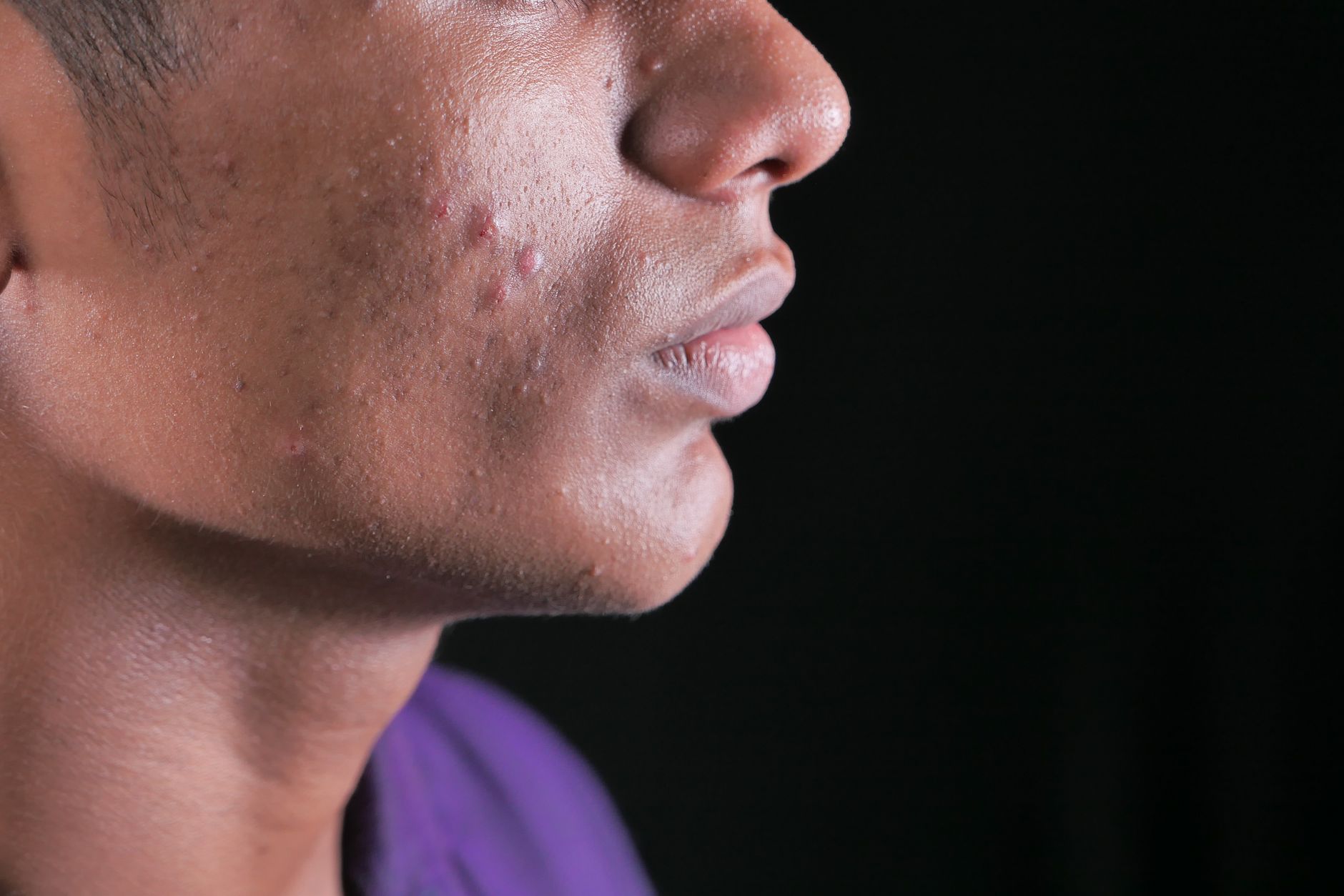
Squeezing, picking, and extracting acne lesions with fingers, nails, or tools poses serious health risks that dermatologists consistently warn against. While the temptation to extract pimples is nearly universal, the practice frequently causes permanent scarring, severe infections, and complications that can take months or years to resolve. A single aggressive extraction attempt can damage the skin barrier, rupture the follicle wall, and force bacteria deeper into the skin, transforming a minor blemish into a lasting problem.
The dangers extend beyond surface damage. When acne is extracted improperly, bacteria and inflammatory material can migrate into deeper skin layers and enter the bloodstream through compromised tissue. This is particularly concerning around the triangle of danger—the area between the nose and upper lip where blood vessels connect directly to the brain—where infections can potentially reach critical areas. Medical professionals emphasize that manual extraction eliminates the skin’s natural healing process and introduces contamination that professional extraction devices and protocols are specifically designed to prevent.
Table of Contents
- Why Does Manual Acne Extraction Cause Permanent Scarring?
- Infection and Bacterial Complications From Improper Extraction
- Post-Inflammatory Hyperpigmentation and Skin Barrier Damage
- When Extraction Feels Necessary: Professional Alternatives to Manual Removal
- The Role of Skin Type and Genetic Factors in Extraction Damage
- Complications From Extraction in Specific Facial Zones
- How Extraction Accelerates the Acne Cycle Rather Than Resolving It
- Frequently Asked Questions
Why Does Manual Acne Extraction Cause Permanent Scarring?
Manual extraction damages the dermal layer of skin where collagen and elastin provide structural support. When you apply pressure to squeeze a pimple, you create microtrauma that extends beyond the visible lesion. The follicle wall ruptures, and inflammatory material spills into surrounding tissue, triggering an excessive healing response that often results in depressed or pitted scars. Unlike surface marks that fade, these scars represent permanent loss of skin structure and cannot be fully reversed with topical treatments. Different scar types emerge from extraction damage.
Atrophic scars appear as small indentations where the skin failed to rebuild sufficient collagen. Ice-pick scars are narrow, deep punctures that resemble small holes in the skin. Boxcar scars create broader depressions with defined edges. All of these typically result from aggressive extraction that penetrates multiple skin layers. The severity depends on skin type, extraction force, and the lesion’s original depth, but even gentle picking can cause scarring in prone individuals. Some patients discover scarring weeks or months after extraction, when the initial inflammation subsides and the permanent damage becomes visible.
Infection and Bacterial Complications From Improper Extraction
When the follicle wall ruptures during extraction, bacteria that normally remain contained within the pore access deeper skin layers. This creates ideal conditions for cyst formation, where the body walls off infected material in a larger, deeper lesion that can persist for weeks. Cysts are significantly more painful than the original pimple and often require professional treatment to resolve. Extraction frequently converts a simple comedone into an inflamed cyst by forcing bacteria deeper rather than removing the blockage.
The risk of secondary infection increases dramatically when hands, nails, or non-sterile tools contact open lesions. Staph and strep bacteria from skin surfaces or fingernails colonize the wound and multiply in the warm, moist environment of a ruptured follicle. Professional extraction uses sterile techniques, appropriate tools, and often antibacterial protocols to minimize infection risk, whereas manual extraction provides none of these protections. Some patients develop cellulitis, a spreading skin infection that requires oral antibiotics, from what began as casual picking at a single pimple.
Post-Inflammatory Hyperpigmentation and Skin Barrier Damage
Manual extraction often leaves post-inflammatory hyperpigmentation—dark marks that remain after the lesion heals. These marks are distinct from scars and result from melanin deposition triggered by the inflammatory response to extraction trauma. While these marks typically fade over months, they can persist for a year or longer in darker skin tones. The extraction itself wasn’t necessary; the lesion would have resolved without the mark if left undisturbed or treated with appropriate medications.
Beyond pigmentation changes, extraction damages the skin’s protective barrier. This barrier comprises lipids and proteins that prevent water loss and block bacterial entry. Aggressive manipulation destroys these components, leaving skin more vulnerable to irritation, additional infections, and moisture loss. Compromised barrier function can trigger a cycle where skin becomes increasingly reactive and prone to inflammation, making existing acne appear worse temporarily. This counterintuitively makes the skin condition more difficult to treat for weeks following extraction.
When Extraction Feels Necessary: Professional Alternatives to Manual Removal
When acne feels like it needs immediate drainage, dermatologists offer professional extraction that eliminates the primary reason people attempt self-extraction at home. Professional comedone extractors—sterile instruments designed with optimal pressure distribution—remove contents without rupturing the follicle wall. Dermatologists control pressure, angle, and technique to minimize trauma. If the lesion isn’t ready for extraction, professionals apply this judgment and recommend waiting rather than forcing removal that will cause damage.
Chemical exfoliants and topical medications offer prevention that eliminates the need for extraction entirely. Retinoids, salicylic acid, and benzoyl peroxide work by preventing follicle blockage and reducing inflammation. These treatments address the underlying cause rather than temporarily removing a lesion. For patients with cystic acne or lesions that genuinely require drainage, dermatologists may inject corticosteroids to reduce inflammation rapidly or perform extractions using sterile protocols with post-extraction care instructions. Patience with appropriate medications delivers better outcomes than any form of manual extraction.
The Role of Skin Type and Genetic Factors in Extraction Damage
Some individuals are genetically predisposed to extensive scarring from minor skin trauma. People with darker skin tones face higher risk of keloid formation—overgrown scar tissue that extends beyond the original wound boundary. Extraction in these individuals can create keloids that are far larger and more permanent than the original acne lesion. Conversely, some people experience minimal scarring from extraction, which has led to false reassurance that the practice is safe for everyone.
Genetic factors determine collagen production, inflammatory response, and wound-healing patterns, meaning extraction safety varies significantly between individuals. Skin thickness and oiliness also affect extraction outcomes. Thick, oily skin can withstand more trauma than thin or sensitive skin, but this doesn’t mean extraction is safe—only that visible damage may be delayed. Sensitive skin types with conditions like rosacea or eczema experience especially severe reactions to extraction trauma, with redness and inflammation persisting long after the lesion would have resolved independently. Age is another factor; adolescent skin has higher collagen turnover, potentially offering faster scar improvement, but this doesn’t justify extraction practices that damage skin at any age.
Complications From Extraction in Specific Facial Zones
The nasolabial fold area and around the nose carry particular risk because blood vessels in this region communicate with facial veins that lack valves. This anatomical feature allows bacteria from extraction sites to travel upward toward the sinuses and brain, a pathway that facial veins in other areas don’t share. Extractions in this zone that introduce infection can result in serious complications including cavernous sinus thrombosis, though this remains rare.
The triangle of danger extends from the nose to the corners of the mouth, and dermatologists specifically advise against any manipulation in this area. Extractions near the jawline and chin create visible scarring because this area experiences significant facial movement during eating and talking. Scars in these zones are constantly stressed by muscle contraction, which can widen them and prevent normal healing. Forehead and cheek extractions may be slightly less problematic from a movement perspective, but they still carry equal risk of permanent scarring and pigmentation changes.
How Extraction Accelerates the Acne Cycle Rather Than Resolving It
Each extraction attempt removes only the visible contents of a lesion while leaving behind damaged tissue and inflammation. Within days, the follicle refills because the underlying blockage—dead skin cells and sebum—remains present. The person then faces the choice to extract again or allow the lesion to resolve naturally. Repeated extraction creates a cycle where skin becomes increasingly irritated, more prone to secondary infections, and filled with multiple scars from the same area.
Dermatologists observe that patients who regularly self-extract develop progressively worsening acne and scarring compared to those who use appropriate medications and resist extraction. The extraction cycle also creates psychological reinforcement. The immediate visual improvement from removing the lesion’s surface contents provides satisfaction, but this temporary improvement obscures the underlying damage accumulating in the skin. Each extraction feels justified because it produces visible results, yet these results contribute to permanent scarring that will be present long after the acne resolves. Breaking this cycle requires accepting that acne lesions will resolve independently within one to three weeks with appropriate topical treatment, avoiding the temptation of extraction regardless of short-term appearance.
Frequently Asked Questions
Is it ever safe to extract acne at home?
No. Even with sterile tools and clean hands, home extraction lacks the professional judgment, proper technique, and post-care protocols that dermatologists use. The risk of scarring and infection outweighs any benefit from removing a lesion temporarily.
How long does it take for extraction scars to fade?
Post-inflammatory hyperpigmentation may fade in weeks to months, but actual indented or pitted scars from follicle rupture are permanent. They may improve slightly with collagen remodeling over years, but professional treatments like laser therapy or microneedling are often needed for meaningful improvement.
Can acne extraction lead to serious infections?
Yes, particularly if extraction occurs in the nasal or upper lip area where blood vessels connect to deeper structures. Infections can develop into cysts, cellulitis, or in rare cases, complications requiring antibiotics or hospitalization.
What should I do if I’ve already damaged my skin through extraction?
Avoid further extraction and see a dermatologist for appropriate treatment. They can recommend products to support healing, manage any resulting scarring, and prevent future extraction attempts through effective acne management.
Are there alternatives to extraction for urgent acne concerns?
Yes. Dermatologists can perform professional extractions if a lesion genuinely requires drainage, or inject corticosteroids to rapidly reduce cystic acne. Chemical exfoliants and topical medications prevent future lesions without extraction risks.
Why does my skin look worse after extraction?
Extraction damages the skin barrier, spreads bacteria into deeper layers, and triggers inflammation that can persist for weeks. The lesion often refills or forms a cyst within days, making the acne appear worse than if it had been left alone.