
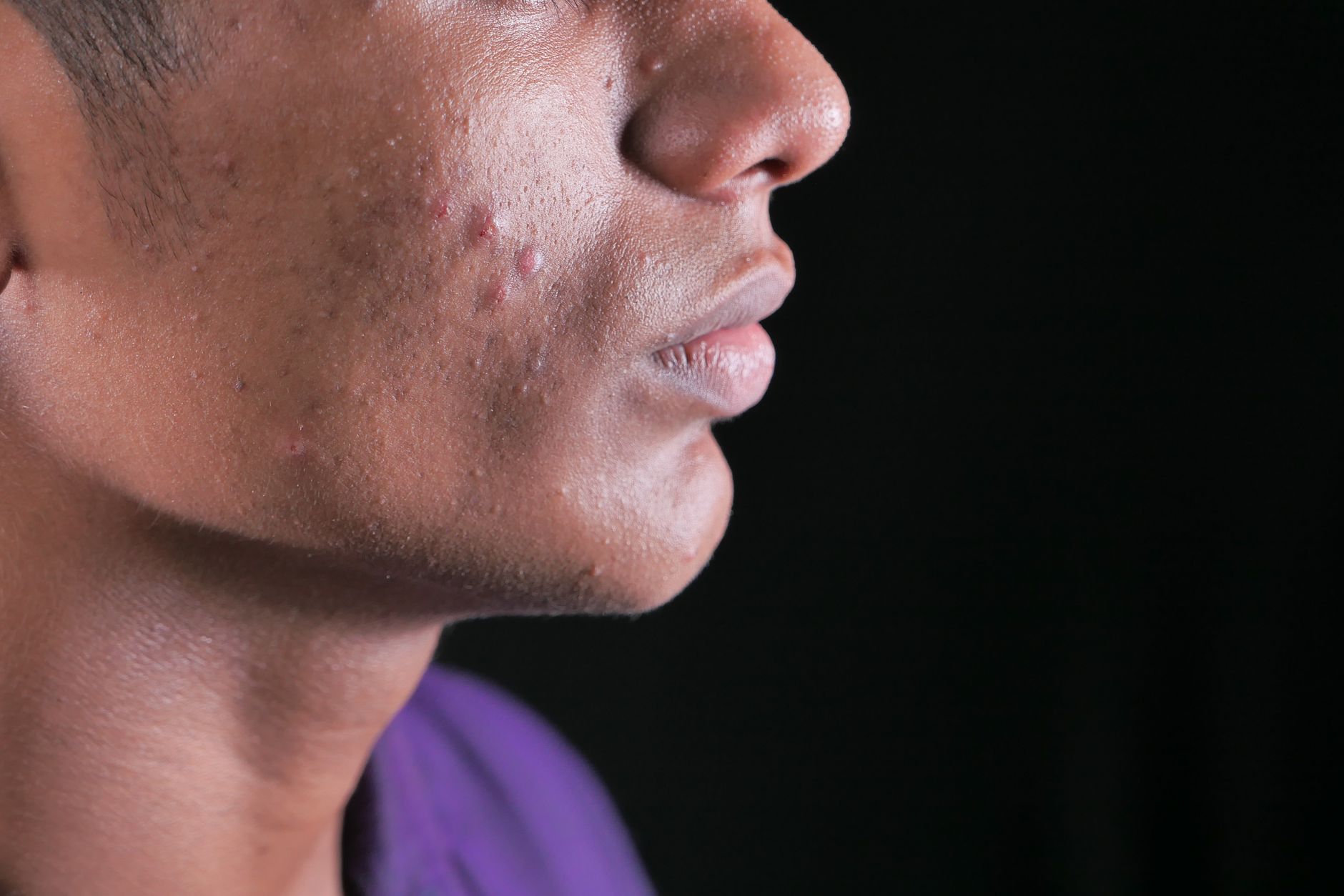
Temple acne is acne on the skin at the temples, where hair follicles clog with excess oil and dead skin cells. For beginners, the safety-first approach is gentle pore care plus trigger reduction, not picking or harsh scrubbing. Acne is inflammation with bacteria, pus, and pimples after a clog forms.
The U.S. National Institute of Arthritis and Musculoskeletal and Skin Diseases describes this clogged-follicle process on the face, back, chest, and shoulders in its acne overview. Temples are vulnerable because hair, sweat, headwear, and hands meet there.
Medical information disclaimer: This article is for general educational purposes only and does not provide medical advice, diagnosis, or treatment. Always consult a physician or other qualified health professional about symptoms, medications, tests, or treatment decisions.
Table of Contents
- What clogs pores at the temples?
- Do hair products cause temple breakouts?
- What gentle daily routine helps most?
- What should you avoid doing?
- When should you see a dermatologist?
What clogs pores at the temples?
A pore clogs when sebum oil mixes with dead skin and blocks the follicle opening. Bacteria can then grow in the trapped mixture and inflame the surrounding skin. That sequence produces whiteheads, blackheads, papules, and pus-filled pimples.
At the temples, residue and friction add to the basic clog process. Healthline notes that sweaty hats, headwear friction, heavy hair products, hormonal changes, and residue-leaving hygiene habits commonly trigger breakouts there in its temple-acne explainer. The location does not change the disease, but it points to likely triggers.
Do hair products cause temple breakouts?
Pomade-type products can migrate from hair onto nearby skin. Waxes and comedogenic oils may settle along the temples, brow, and forehead and form whiteheads and blackheads. Sparing use helps, along with keeping product off the scalp.
Regular hair washing also reduces transfer to temple skin. Showering after sweating removes sweat, oil, and product residue before pores stay blocked. Clean hats, headbands, pillowcases, and phone screens further limit residue and friction.
What gentle daily routine helps most?
Start with mild cleansing, light moisture, and targeted acne care. First-line care aims to unblock pores, lower bacteria and inflammation, and manage hormones where appropriate. The U.K.
National Health Service lists topical benzoyl peroxide, retinoids, salicylic or azelaic acid, topical or oral antibiotics such as doxycycline, and hormonal options where appropriate in its current acne guidance. Use one new product at a time and follow label directions. A simple beginner routine looks like this: Expect slow change rather than overnight clearing. Many therapies need six to eight weeks to show improvement, so avoid adding stronger products each week.
- wash gently once or twice daily and after heavy sweating
- apply a thin layer of the chosen acne treatment only as directed
- moisturize lightly and use noncomedogenic sunscreen when outdoors
- keep hair products, hats, hands, and tight straps away from temples
What should you avoid doing?
Do not pick, squeeze, or pop temple pimples. Popping pushes pus, bacteria, and inflammation deeper and can spread breakouts. Cleveland Clinic warns that hand bacteria can enter broken skin and increase infection, marks, and permanent scarring in its pimple-popping explainer.
Also avoid hard scrubs, alcohol-heavy toners, toothpaste, and frequent switching. Scrubbing irritates inflamed follicles without removing deep clogs. If skin burns, peels badly, swells, or develops painful sores, stop the irritating product and seek care.
When should you see a dermatologist?
See a dermatologist for severe, painful, persistent lumps, spreading breakouts, scarring, or acne that does not improve. A clinician can match treatment strength to acne type and skin history. Home squeezing or harder scrubbing cannot replace that assessment.
Bring a short list of products, hair-care habits, medications, and prior reactions. For benzoyl peroxide buyers, the U.S. Food and Drug Administration reports testing 95 acne products, with more than 90 percent showing undetectable or extremely low benzene and only a limited number subject to voluntary retail-level recall. Check recall status and storage directions in its March 2025 testing update.