
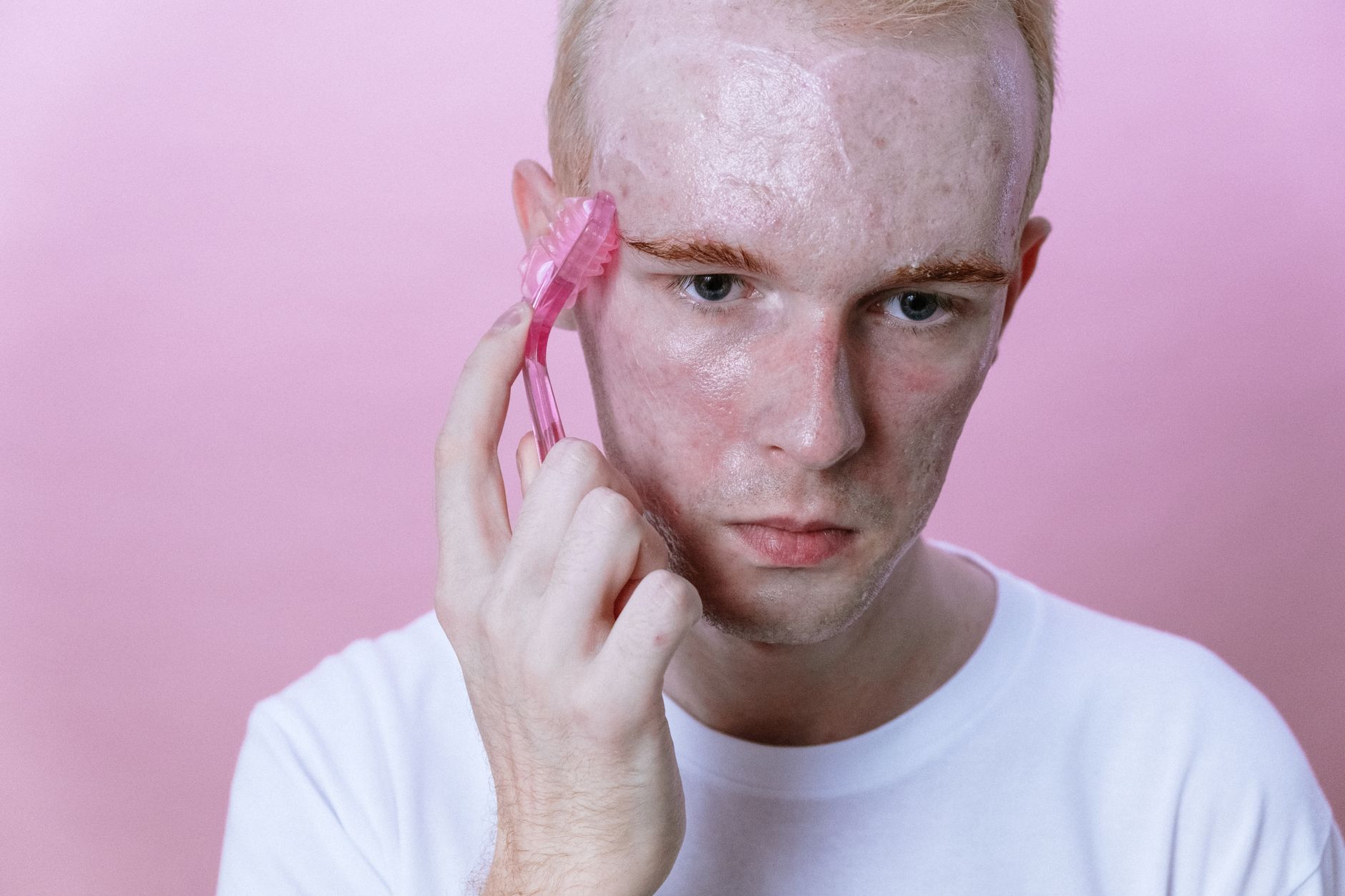
Helmet acne in 2026 remains acne mechanica, breakouts from helmets and straps. The evidence points to heat, pressure, occlusion and friction, plus one new patch launch without published efficacy data. Helmet acne means acne mechanica, a breakout caused by equipment rather than hormones alone. It affects athletes who wear helmets, chin straps and pads during hard training and play.
Medical information disclaimer: This article is for general educational purposes only and does not provide medical advice, diagnosis, or treatment. Always consult a physician or other qualified health professional about symptoms, medications, tests, or treatment decisions.
Table of Contents
- Who gets it and what it looks like
- Why helmets trigger breakouts
- How can players lower the risk?
- What is new in 2026?
Who gets it and what it looks like
Football, hockey, lacrosse, cycling and baseball players report lesions where gear touches skin. Common sites are the forehead, chin, preauricular areas and shoulders under helmets, straps and pads.
The bumps often start small, red and rough to the touch. According to Dermatology Times in its review of athletes and acne mechanica, they can progress to pimples and deep cysts, occur more often in people already prone to acne, and usually do not impair athletic performance.
Why helmets trigger breakouts
Helmets trap sweat, oil and bacteria between skin and equipment during training. Rubbing and stretching from straps and pads then worsen the irritated area. In August 2026, dermatologist John Barbieri told Healio in its back-to-school acne Q&A that helmets and sports pads block pores and cause mechanical acne from external pressure and occlusion, distinct from traditionally clogged pores.
How can players lower the risk?
Place a clean cotton layer between skin and gear when possible. Shower right after play and wash strap-covered areas well.
Useful daily steps include: Change out of sweaty gear fast and avoid picking at strap-line bumps. Clean removal and cleaning of gear often lets mild acne mechanica settle.
- Clean helmets, straps and pads often and let them dry fully
- Shower after practice and wash the forehead, chin and jawline
- Use a salicylic-acid cleanser or benzoyl peroxide for gear-zone breakouts
- Save antibiotics or anti-inflammatory treatment for severe cases under medical care
What is new in 2026?
Commercial interest grew with Helmet Head, a first-of-its-kind preventative patch aimed at helmet-related acne mechanica. The National Sporting Goods Association reported the launch in its announcement of the anti-acne sports patch, and the announcement did not include published efficacy trial data.
Acne mechanica can look like folliculitis and can become colonized with Staphylococcus. If lesions persist after 6–8 weeks of gear cleaning and basic care, see a dermatologist for evaluation.