
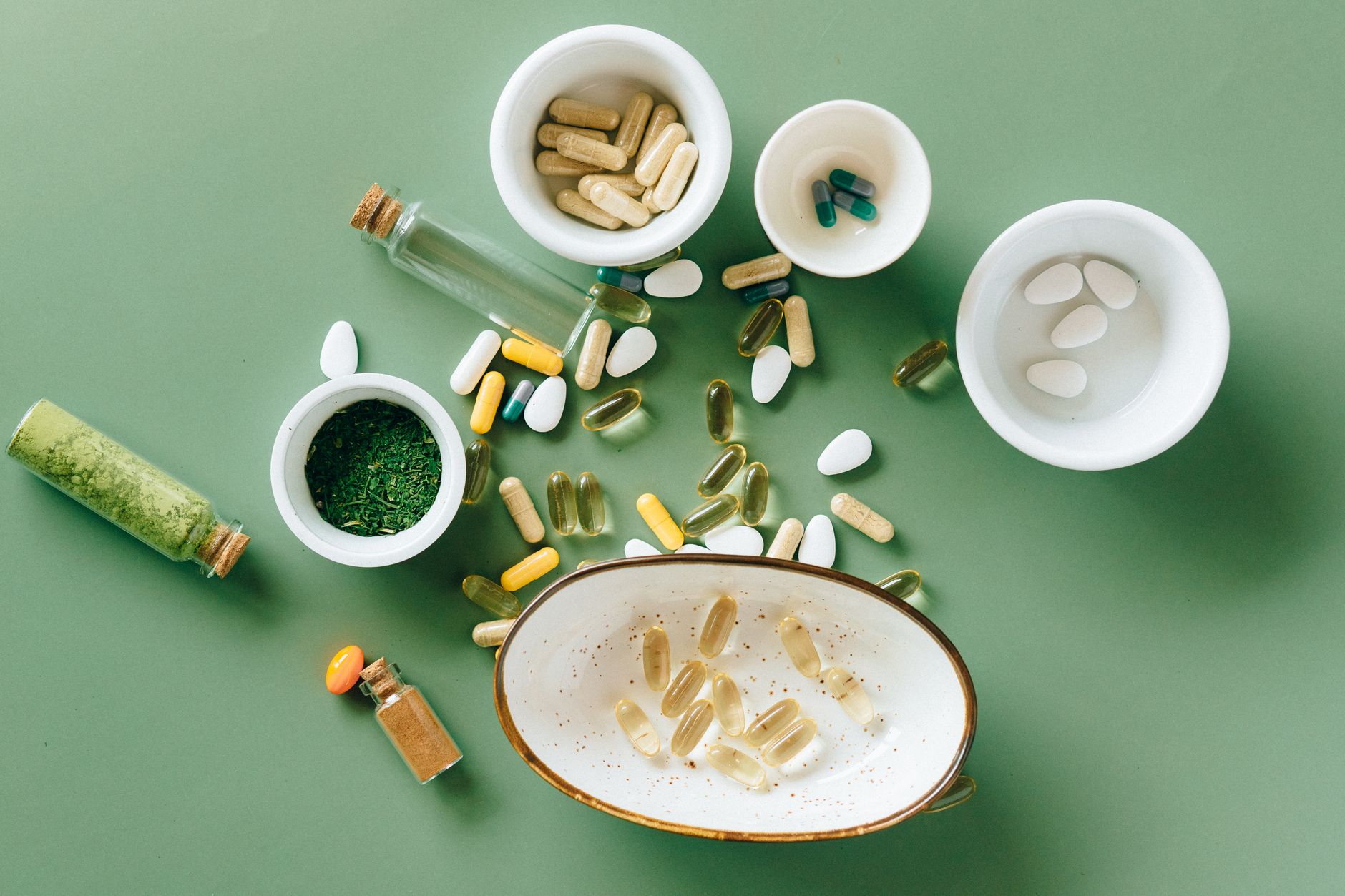
Supplements can trigger acne in some people, but none have strong proof as an acne treatment in 2026. The main safety limit is that products reach stores without prior proof of safety or benefit. Dietary supplements mean concentrated vitamins, minerals, protein powders, kelp products, and similar products taken by mouth. This guide shows which ones link to breakouts, where benefit claims fall short, and what questions protect you.
Medical information disclaimer: This article is for general educational purposes only and does not provide medical advice, diagnosis, or treatment. Always consult a physician or other qualified health professional about symptoms, medications, tests, or treatment decisions.
Table of Contents
- Which products most often link to breakouts?
- Can zinc treat acne?
- Why does supplement safety work differently?
- Does diet change the advice?
- How do acne prescriptions change supplement risk?
Which products most often link to breakouts?
Whey protein shows mixed signals. A Brazilian study of 30 patients reported onset or flare after starting whey protein, stronger in women and those without prior acne, according to the MDedge report on the Journal of Dermatology trial. A 6-month randomized trial of 49 men taking 30g whey daily then found no significant difference versus non-whey protein. Vitamin B12 has a direct mechanistic link.
Kang and colleagues found B12 changed skin-bacteria gene expression and raised inflammatory porphyrins in Cutibacterium acnes cultures, with 1 of 10 supplemented subjects developing acne within one week, as reported in the Science Translational Medicine study. Reviews link high-dose vitamins B6 and B12, above about 5-10 mg per week or with prolonged use, to worse acne as uniform facial papules and pustules on chin and forehead, more often reported in females, according to the Katta review summarized by Physicians Weekly. Excess iodide is another trigger. Kelp tablets with about 15 mg iodine each, and iodine in some multivitamins, can cause uniform inflammatory pustules on face and upper trunk that improve after stopping the source, according to the UC Davis Dermatology Online Journal review.
Can zinc treat acne?
Zinc has early interest but not proof. Systematic reviews find preliminary support for zinc in acne, according to Cervantes and colleagues as summarized by Healio.
The same reviews cite small samples and varied doses and designs. AAD guidelines do not list oral zinc as recommended treatment, and reviewers call for further trials.
Why does supplement safety work differently?
Prescription drugs must prove safety and benefit before sale. Supplements do not face that gate.
The U.S. Food and Drug Administration explains that under DSHEA it lacks authority to approve supplements before marketing, so makers may sell without FDA review and FDA must show postmarket harm to restrict them, as stated in the FDA questions and answers on dietary supplements. That means label claims, purity, dose accuracy, and acne safety often remain untested when you buy.
Does diet change the advice?
Food is not a prescribed acne treatment. Current acne-care guidelines recommend no specific dietary change for acne management, according to the Dermatology Times summary of the JAAD Guidelines of Care, which notes only an emerging link for high glycemic-index diets and limited evidence that some dairy, especially skim milk, may influence acne in the Dermatology Times guideline summary.
Use that context to avoid replacing proven care with diet or supplement trials. Bring a short checklist to your visit:.
- list every vitamin, protein powder, kelp product, multivitamin, and acne drug with dose and start date
- note when breakouts started, where they appear, and any recent dose change
- ask whether to pause one suspect product at a time and how long to watch
- ask about food triggers only after reviewing medicines and hormones
How do acne prescriptions change supplement risk?
Isotretinoin plus vitamin A is a dangerous pair. Patients taking isotretinoin must avoid vitamin A supplements because the retinoid-vitamin A link creates added toxicity risk, according to National Library of Medicine DailyMed isotretinoin labeling in the DailyMed isotretinoin label.
The same labeling warns against tetracyclines during isotretinoin because of intracranial-hypertension risk. Tell your dermatologist about every supplement before starting isotretinoin, antibiotics, or a new protein powder.