
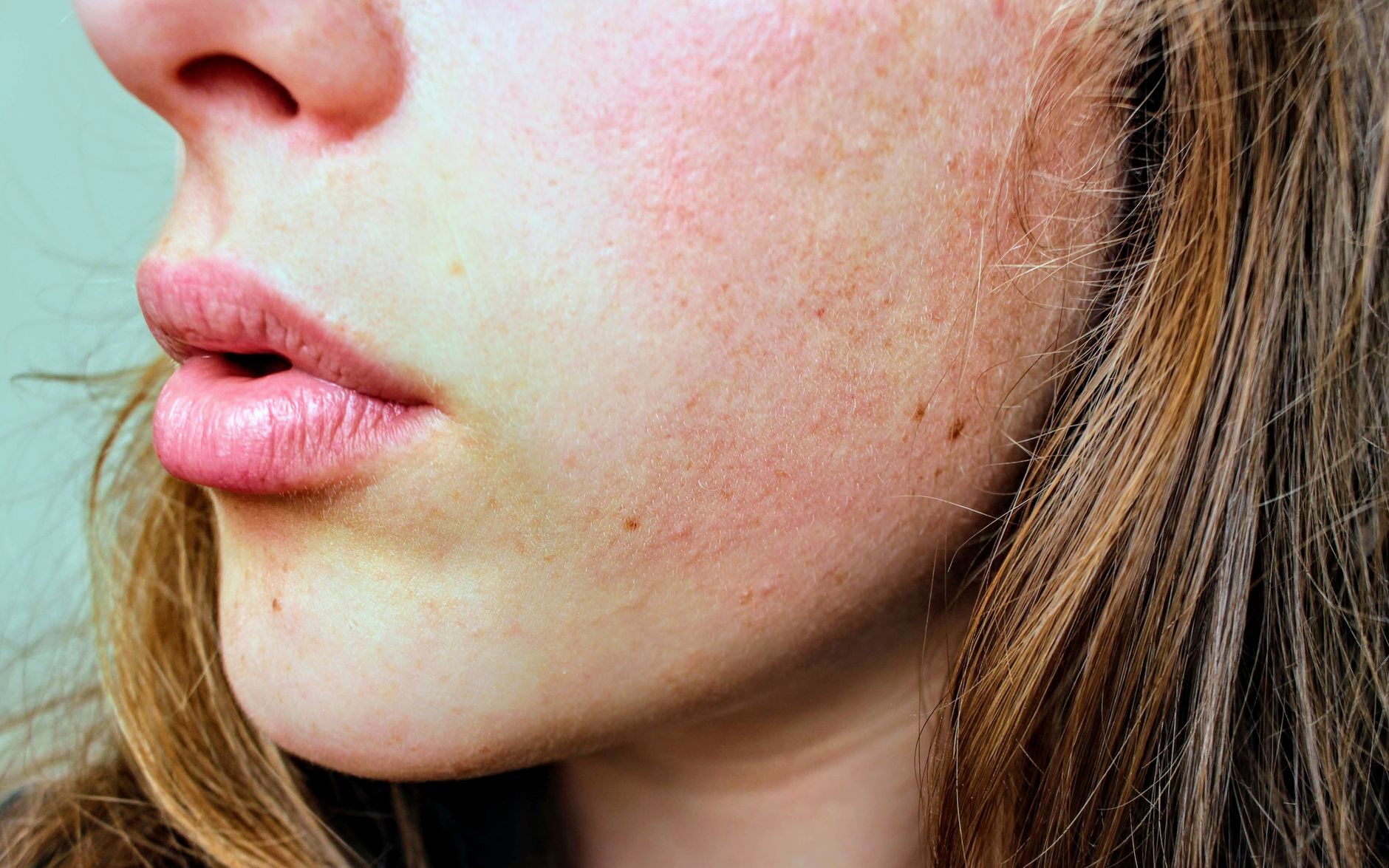
Rhode Glazing Milk is a barrier-support product, not an acne treatment. It is a milky essence that adds hydration and supports barrier function for healthy-looking skin.
Barrier support means helping the skin outer layer hold water and resist dryness and irritation. That role is different from clearing pimples. Acne care still depends on proven acne actives used before or after light hydration.
Medical information disclaimer: This article is for general educational purposes only and does not provide medical advice, diagnosis, or treatment. Always consult a physician or other qualified health professional about symptoms, medications, tests, or treatment decisions.
Table of Contents
- What Rhode says Glazing Milk does
- Why it is not classed as an acne drug
- How ceramide hydration helps acne-prone skin
- How to fit it into a breakout routine
What Rhode says Glazing Milk does
Rhode Skin markets Glazing Milk as a milky essence that delivers potent hydration to prep skin and boost barrier function with a ceramide trio, as described in the Rhode Skin product page. The formula centers on water, glycerin, multiple hyaluronates, ceramides NP/AP/EOP, beta-glucan, mineral salts and fatty acids.
It contains no benzoyl peroxide, salicylic acid, sulfur or adapalene. That ingredient mix points to hydration and prep, not pimple-clearing action. Use expectations should match that purpose.
Why it is not classed as an acne drug
The FDA regulates nonprescription acne drugs under an OTC monograph that permits only actives such as benzoyl peroxide 2.5-10 percent, salicylic acid 0.5-2 percent and sulfur 3-10 percent, according to the FDA topical-acne rule document. Glazing Milk contains none of those actives.
FDA-help places products with only cosmetic moisturizing claims in a different category from benzoyl peroxide or salicylic acid acne drugs. So the product sits in the cosmetic-support category. It does not replace an acne drug for treating breakouts.
How ceramide hydration helps acne-prone skin
Acne treatments often dry the skin and impair tolerance. Dermatology review literature finds ceramide cleansers and moisturizers promote hydration and a healthy barrier and reduce irritation alongside acne therapy.
A split-face randomized trial reported that a ceramide- and niacinamide-containing moisturizer improved barrier measures and tolerability when combined with topical anti-acne treatment for mild-to-moderate acne vulgaris, as reported in the Journal of Cosmetic Dermatology trial report. The benefit was better comfort and barrier function during treatment. It was not clearance of acne by the moisturizer alone.
How to fit it into a breakout routine
Apply Glazing Milk as hydration around proven actives, not instead of them. A dermatologist review found the milk generally presents low risk of triggering acne for most users, with individual reactions varying and a possibly heavy feel for oily skin.
- Cleanse, then apply Glazing Milk to damp skin for hydration
- Apply acne active as directed on label or by clinician
- Seal with a noncomedogenic moisturizer if skin feels dry
- Patch test first and stop a product that causes new clogged pores or irritation