
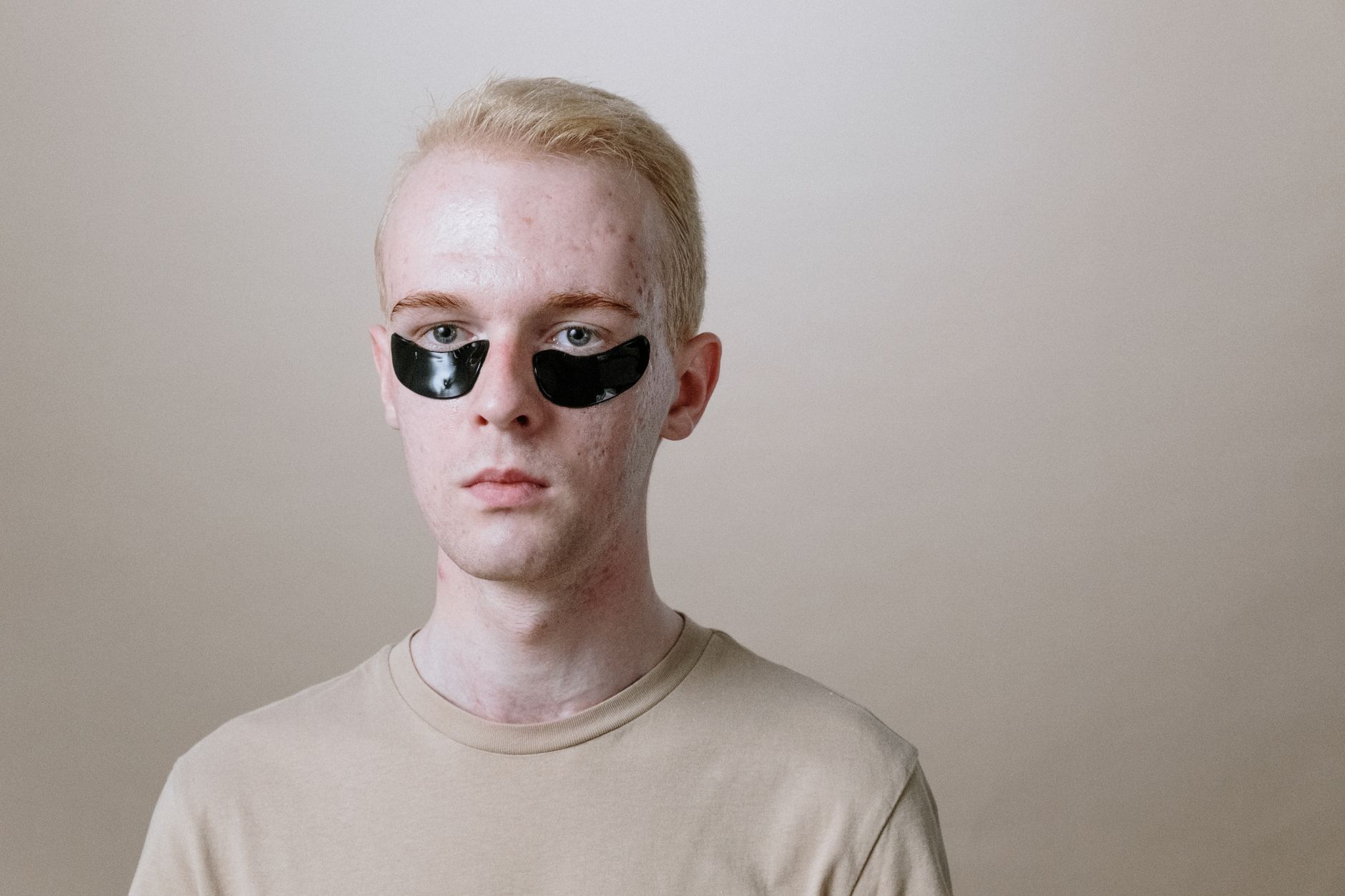
Parents should check the Drug Facts Active Ingredient box, its percentage, the age limit, and the warnings for allergies and sun irritation before buying a celebrity acne product for a teen. If the active ingredient and percentage fall outside FDA ranges for over-the-counter acne drugs, put the product back. The Drug Facts box is the standardized label panel that lists active ingredients, purpose, uses, warnings, and directions. Everything else on the package is marketing, including a celebrity name, photo, or skin-clearing promise.
Medical information disclaimer: This article is for general educational purposes only and does not provide medical advice, diagnosis, or treatment. Always consult a physician or other qualified health professional about symptoms, medications, tests, or treatment decisions.
Table of Contents
- Does the active ingredient match FDA ranges?
- Is your teen old enough for adapalene?
- Can your teen use fewer products at once?
- What allergy signs need a patch test?
- How should you handle sun and dryness?
Does the active ingredient match FDA ranges?
Start with the Active Ingredient box, not the front claims. According to the FDA registration aid for acne products, FDA permits only benzoyl peroxide 2.5-10%, salicylic acid 0.5-2%, and sulfur 3-10% as actives in over-the-counter acne washes, gels, and creams.
Check both name and number. A wash with benzoyl peroxide 4% fits the range, while a cream with an herbal extract and no listed drug active does not follow the same acne-drug rules.
Is your teen old enough for adapalene?
Many star routines now include a retinoid, a vitamin-A-based treatment that unclogs pores. The American Academy of Dermatology lists topical benzoyl peroxide, topical retinoids, and fixed combinations as strongly recommended, with benzoyl peroxide plus a retinoid as first-line for mild-to-moderate acne in youth.
For over-the-counter use, age matters. Per the Galderma FDA approval notice, OTC adapalene 0.1% and adapalene 0.1% plus benzoyl peroxide 2.5% are cleared only for ages 12 and older, used once daily as directed. Do not buy them for a younger child.
Can your teen use fewer products at once?
Celebrity kits often push a wash plus toner plus serum plus spot gel. FDA labeling for acne drugs requires external-use-only warnings, directions to use only one topical acne medication at a time if irritation occurs, and benzoyl-peroxide cautions about sun and irritation.
That rule limits multi-product layering. If redness, peeling, or burning starts, drop back to one medicated product and keep the rest simple until skin calms.
- Use one acne active at a time when irritation appears
- Follow the package directions for amount and frequency
- Stop layering extra scrubs, peels, or spot treatments
- Keep daily sunscreen and moisturizer non-medicated
What allergy signs need a patch test?
First-time users should test a small area before full-face use. The FDA warned in June 2014 that benzoyl peroxide or salicylic acid products can rarely cause serious hypersensitivity.
Watch for these warning signs on first uses: Rinse the product off and seek care if those symptoms occur. Mild dryness is common, but hives, swelling, or breathing trouble is not.
- hives or rash beyond mild redness
- swelling of face, lips, or eyes
- breathing difficulty or throat tightness
- severe burning, blistering, or swelling
How should you handle sun and dryness?
Benzoyl peroxide and retinoids raise sun sensitivity and irritation risk. Dermatology Times clinical guidance advises daily oil-free, non-comedogenic sunscreen and moisturizer, plus avoiding fragrance and comedogenic oils like coconut during treatment.
Make sunscreen the morning habit. According to the LiVDerm summary of FDA testing, FDA testing of 95 benzoyl peroxide products found over 90% had undetectable or very low benzene, while six lots with elevated benzene were recalled. Buy fresh stock from a trusted seller, store it as directed, and discard discolored or expired tubes.