
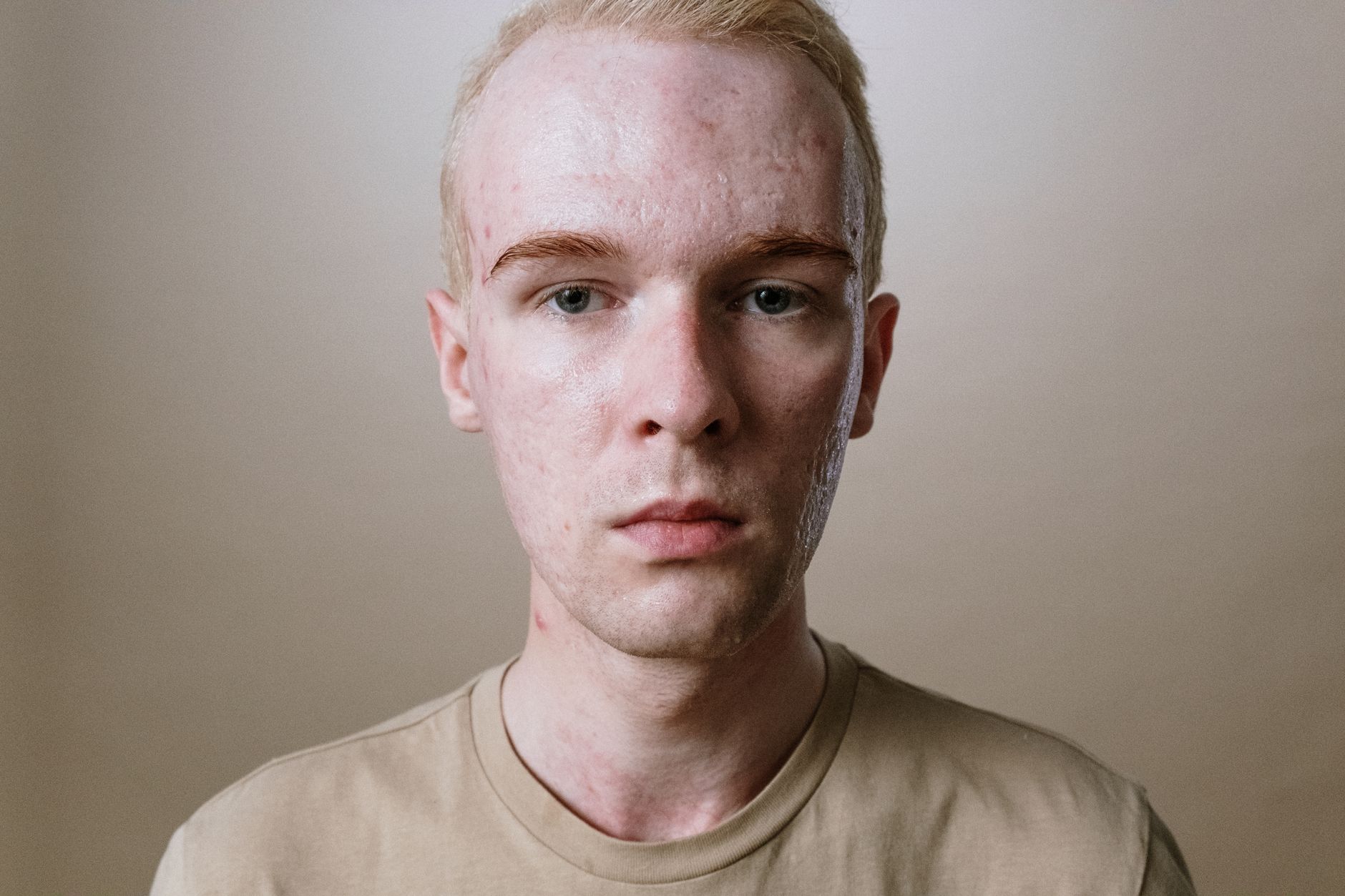
Sulfur is a mineral acne treatment that sheds dead skin and limits acne bacteria to unplug pores. For mild-to-moderate oily acne in 2026, it offers 3–10% options and stronger prescription combos, with slower but gentler action than benzoyl peroxide or retinoids.
The FDA acne monograph permits sulfur 3–10% as a single active ingredient, according to the FDA final rule in the federal acne monograph. Prescription sodium sulfacetamide 10% plus sulfur 5% has the strongest trial support. Over-the-counter sulfur suits sensitive users willing to wait longer for milder improvement.
Medical information disclaimer: This article is for general educational purposes only and does not provide medical advice, diagnosis, or treatment. Always consult a physician or other qualified health professional about symptoms, medications, tests, or treatment decisions.
Table of Contents
- How does sulfur fight acne?
- Which products and strengths work best?
- Who should choose sulfur?
- How to use it without excess irritation?
- When should you stop or switch?
How does sulfur fight acne?
Sulfur acts as a keratolytic. It loosens surface cells so oil and dead skin leave the follicle. Prescribing information summarized by Drugs.com also reports mild antibacterial activity against Cutibacterium and P.
acnes plus reduced inflammation. It does not kill bacteria as strongly as benzoyl peroxide. It does not normalize cell turnover as strongly as retinoids. That tradeoff matters for red, flaky or easily irritated oily skin.
Which products and strengths work best?
Store products contain 3–10% sulfur as cleansers, masks, spot treatments, creams and soaps. The FDA monograph also permits sulfur 3–8% combined with resorcinol 2% or resorcinol monoacetate 3%. Sulfacetamide-sulfur combinations are prescription only.
The strongest results reported by Cutis via MDedge are for sodium sulfacetamide 10% plus sulfur 5% used twice daily, with about 81% fewer inflammatory lesions at 8 weeks and 80–83% at 12 weeks in the Cutis trial summary. Those products are also labeled for rosacea and seborrheic dermatitis. This split helps readers match need to access: daily maintenance from stores, stubborn inflammatory acne from a clinician.
Who should choose sulfur?
Sulfur tends to suit oily, sensitive or benzoyl-peroxide-intolerant users with mild-to-moderate acne. Verywell Health and the Stony Brook acne review describe this group as the best fit. A cleanser or thin mask can control shine without the sting some feel from peroxide.
It is less potent and slower than retinoids or benzoyl peroxide. Blackheads and small red bumps respond better than deep nodules or severe scarring acne. Users seeking fast clearing or treatment for severe acne usually need a stronger first-line drug.
How to use it without excess irritation?
NIH DailyMed labels warn for external use only, avoidance of eyes, broken skin and large areas, application only to acne areas, and stopping a second topical acne drug if irritation or excess dryness occurs, in the DailyMed sulfur label. Patch-test first on the jawline.
Start one to two times weekly, then build as tolerated. Acne.org usage guidance recommends the same slow start, thin application and added moisture and sun protection. Common harms are peeling, redness, irritation, dryness, sulfur odor and fabric discoloration.
- Apply a thin layer only where acne forms
- Moisturize after, add sunscreen in daytime
- Avoid tretinoin, abrasive soaps and alcohol products at the same time
- Do not use sulfur soap as a full-body wash
When should you stop or switch?
Stop the second acne product if burning, swelling, cracking or excess dryness appears. People with sulfonamide or sulfa allergy should not use sulfacetamide-sulfur, according to MedicineNet. Keep sulfur away from cuts, eczema patches and eyelids.
Do not combine sulfur with a drying scrub to force faster peeling. Switch if no change appears after eight to twelve weeks of steady use. Pregnant or breastfeeding users should ask a clinician first.