
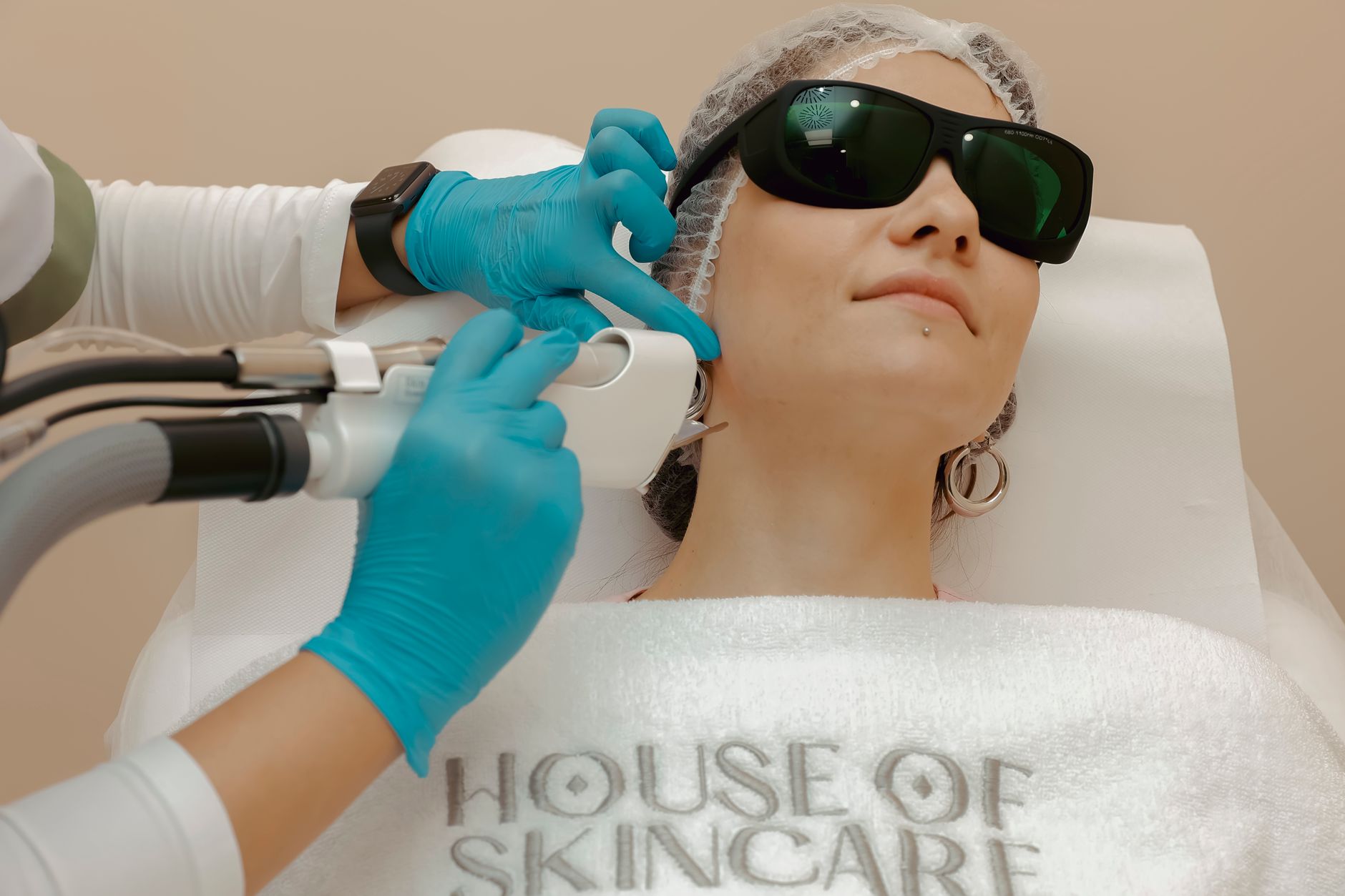
Acne affects up to 50 million people in the United States each year, reports the American Academy of Family Physicians. Teen and adult acne remains common, 1,726-nm lasers show sustained reduction to one year, so ask a board-certified dermatologist about laser as an adjunct.
A 1,726-nm laser means a device tuned to a wavelength absorbed mainly by oil and oil glands. The American Academy of Dermatology reports about 85% of people ages 12 to 24 experience at least mild acne, with persistence especially in women in their 30s and older. Scarring, poor self-image, and depression can follow, so treatment choice matters.
Medical information disclaimer: This article is for general educational purposes only and does not provide medical advice, diagnosis, or treatment. Always consult a physician or other qualified health professional about symptoms, medications, tests, or treatment decisions.
Table of Contents
- Who gets acne in 2026?
- How do 1,726-nm lasers work?
- What does recent evidence show?
- What should you do next?
Who gets acne in 2026?
Teenagers carry the highest rate, but adult acne is common and persistent. Women in their 30s and older often continue to break out after adolescence. Oily skin, hormonal shifts, and clogged pores keep lesions returning. Acne is not only cosmetic. The American Academy of Family Physicians links it to scarring, poor self-image, and depression in its summary of dermatology guidance, described in the AAFP summary of AAD guidance.
That burden explains why durable oil control appeals to many patients. Long flares can affect work, photos, and social plans. Readers with painful cysts, spreading scars, or persistent low mood from acne need prompt care. A dermatologist can grade severity and rule out mimics like rosacea. Early treatment lowers scar risk.
How do 1,726-nm lasers work?
The AviClear and Accure devices use a 1,726-nm wavelength aimed at sebaceous glands. The NIH/PMC review in Lasers in Medical Science explains the process as selective photothermolysis preferentially absorbed by oil glands, described in the NIH review of laser mechanisms. Heat injures the gland and suppresses sebum output. Less sebum means fewer clogged pores and fewer inflammatory lesions.
The approach differs from retinoids, benzoyl peroxide, and antibiotics, which act on turnover, bacteria, and inflammation. Laser targets the oil source itself. Cutera reports AviClear received additional FDA clearance as a long-term treatment for mild-to-severe acne after extended data review. The company markets it as a prescription-free, durable option. Accure received its initial FDA clearance in November 2022, AviClear in March 2022.
What does recent evidence show?
A prospective multicenter study enrolled Fitzpatrick skin types II-VI with moderate-to-severe acne. The Journal of the American Academy of Dermatology reports 87.3% achieved at least 50% inflammatory-lesion reduction at 26 weeks, with benefit sustained to one year, detailed in the JAAD clinical study. Inclusion of darker skin types matters for safety assessment. That result supports durable improvement, not overnight clearing.
Patients typically need a series of sessions and weeks of settling. Redness fades while lesion counts fall over months. Context still limits broad claims. The AAD's January 2024 acne guidelines called available laser and light evidence insufficient for routine use, citing small samples and need for large randomized controlled trials, as reported by Medscape. Laser remains an adjunct, not a replacement for proven topicals.
What should you do next?
Start with proven care and add laser only after medical review. Continue combination topicals unless your dermatologist changes them. Bring your acne history, prior prescriptions, scar photos, and treatment goals to the visit.
Expect temporary redness and swelling, reports NewBeauty based on dermatologist guidance. Ask about pain control, downtime, and pigment-change risk for your skin type. Get costs in writing before you commit, since insurance usually does not cover laser for acne.
- Confirm acne type, severity, scar risk, and pregnancy plans
- Ask whether you have moderate-to-severe inflammatory acne suited to oil-gland treatment
- Review session number, spacing, eye protection, and post-care for redness and swelling
- Compare per-session cost near $1,000, lack of insurance coverage, and topical alternatives
- Plan sun protection and maintenance topicals after the series