
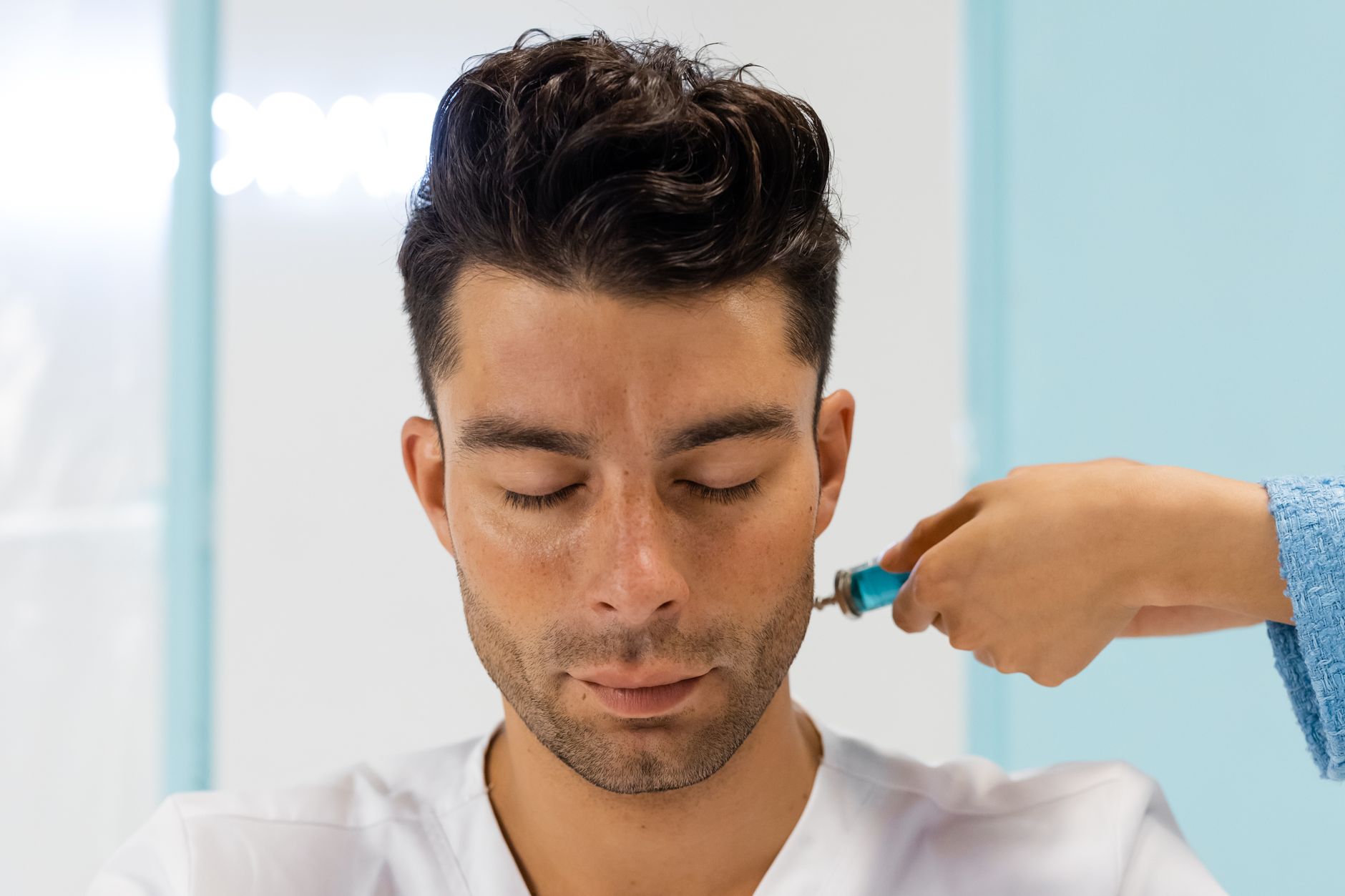
A 2026 split-face trial found subcision with suction improved atrophic acne scars more than subcision alone on doctor and patient ratings. Subcision is a minor procedure that cuts fibrous bands tethering broad, sloped rolling scars to deeper tissue so the skin can lift. The suction idea is simple: keep released skin from reattaching too early. The gain was mainly subjective, and recovery involves bruising, swelling, pain, and pigment caution for susceptible skin.
Medical information disclaimer: This article is for general educational purposes only and does not provide medical advice, diagnosis, or treatment. Always consult a physician or other qualified health professional about symptoms, medications, tests, or treatment decisions.
Table of Contents
- What does subcision with suction do?
- How much better was the suction side?
- What will pain and recovery involve?
- Who needs extra pigment caution?
What does subcision with suction do?
Rolling scars are the core target for subcision. The needle or cannula moves under the depression and frees tethered bands, according to Medical Dermatology and Cosmetic Surgery in its subcision explainer. Release lets the surface rise and look smoother.
Added suction applies outward pull during early healing. The October 2026 Dermatologic Surgery split-face trial tested whether that pull prevents early re-tethering, according to the U.S. National Library of Medicine in the PubMed trial record. One side received subcision alone and the other received subcision plus suction.
How much better was the suction side?
Both sides improved significantly in the trial. Physician- and patient-rated Acne Scar Improvement Grading Scale scores were significantly higher on the suction-treated side, according to the U.S. National Library of Medicine in the PubMed trial record.
The limit matters for decisions. Benefit was mainly subjective and not fully captured by objective scar counting, and an earlier rater-blinded trial found no persistent objective advantage for suction at four months. Treat suction as a possible boost in perceived smoothness, not a guaranteed change in scar count.
What will pain and recovery involve?
Expect one to two weeks of pain, swelling, and bruising. Temporary firmness or small nodules can occur, and in the rater-blinded split-face trial all induration, bruising, and edema resolved by one month.
Suction also adds visits and short-term discoloration. The split-face protocol used one bilateral subcision plus about 10 suction sessions to one side. In a suction-combination series, bruising occurred in all cases but resolved within 12 days and discoloration within two months.
- Plan time off for visible bruising and swelling
- Ask how many suction visits your clinic requires
- Ask who checks healing between sessions
- Report firm lumps, spreading redness, or worsening pain promptly
Who needs extra pigment caution?
Post-inflammatory hyperpigmentation is a recognized subcision risk alongside pain, bruising, swelling, and induration. People prone to dark marks after acne, cuts, or procedures should discuss risk before booking.
Daily sun protection and monitoring matter during healing. A darker patch may fade over weeks, but persistent color change needs prompt care. In the suction-combination series, hypertrophic scarring occurred in 1.7% of treated scars from technical undermining.
You Might Also Like
- Subcision With Suction for Acne Scars in a 2026 Split-Face Trial: Questions People With Rolling Acne Scars Can Ask Before a Procedure
- Recovery and Pigment Safety in the 2026 Split-Face Acne Scar Trial: What the Trial Means for People With Icepick Acne Scars
- Recovery and Pigment Safety in the 2026 Split-Face Acne Scar Trial: Sample Size and Evidence Limits for People With Icepick Acne Scars