
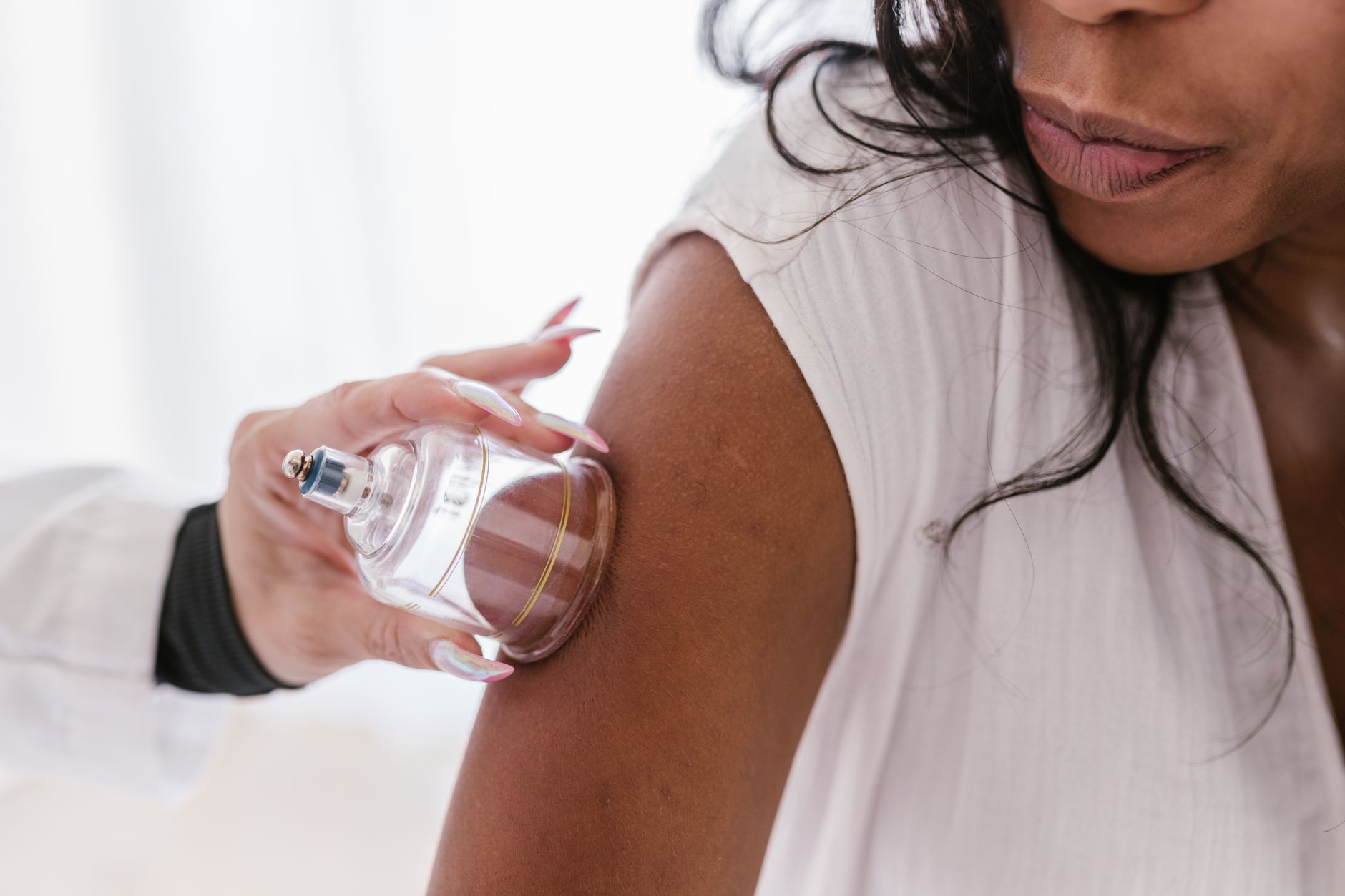
A 2026 randomized split-face trial found suction added to subcision improved atrophic acne scars more than subcision alone. Atrophic scars are depressed scars left by acne, and subcision is a procedure that cuts tight bands under them so the skin can lift.
Both sides improved from baseline, so suction worked as an add-on rather than a replacement. The added benefit showed up most clearly in how doctors and patients rated appearance. People with depressed scars can use these results to compare scar procedures by type and expected change.
Medical information disclaimer: This article is for general educational purposes only and does not provide medical advice, diagnosis, or treatment. Always consult a physician or other qualified health professional about symptoms, medications, tests, or treatment decisions.
Table of Contents
- What Subcision With Suction Does
- What the 2026 Split-Face Trial Found
- How Do Other Scar Options Compare?
- What to Ask Before Choosing Treatment
What Subcision With Suction Does
Subcision inserts a needle or cannula under a depressed scar and cuts fibrous tethers to deeper tissue. Freeing the skin lets the depression lift and prompts collagen remodeling during healing, according to the peer-reviewed scar review in Clinical, Cosmetic and Investigational Dermatology the 2023 scar review.
The relevant scars are atrophic acne scars, often grouped as ice-pick, boxcar, or rolling scars. Subcision aims mainly at tethered and rolling depressions that stay pulled down by bands below.
What the 2026 Split-Face Trial Found
One side of the face received subcision alone and the other side received subcision plus suction. Both sides improved significantly from baseline, then the suction side earned higher Acne Scar Improvement Grading Scale scores from physicians and patients, at p=.002 and p=.026 respectively, according to the U.S. National Library of Medicine PubMed abstract the 2026 PubMed abstract.
The trial authors concluded subjective ratings favored suction-assisted subcision even when objective scar counts did not fully show the gap. That points to a visible difference in smoothness, shadowing, or overall appearance. For readers, rating scales may matter more than raw scar counts.
How Do Other Scar Options Compare?
Established options for atrophic scars include several procedures besides subcision. Choice often turns on scar shape, depth, skin type, and downtime.
An earlier Northwestern rater-blinded split-face pilot found no dermatologist-rated difference at 1 or 4 months across 28 treatment areas and 154 treatments. Patient ratings favored suction at 1 month but not at 4 months, according to the Northwestern investigators the Northwestern pilot preprint. That earlier result makes suction look promising but not settled for long-term gain.
- chemical peels for surface texture and shallow marks
- filler injections for volume loss in selected depressed scars
- laser resurfacing for texture and shallow to moderate scars
- microneedling for milder texture change with lower downtime
- energy or radiofrequency treatments for tightening and remodeling
What to Ask Before Choosing Treatment
Start by asking which scar subtypes dominate your cheeks, temples, or jawline. Rolling and tethered depressions fit subcision best, while narrow ice-pick scars often need a different approach. Bring clear photos in the same light to compare texture before and after.
- which scar types do I have in each area
- what suction schedule follows subcision, and how often
- what bruising, swelling, and downtime should I expect
- how will you judge success: appearance scale, photos, or scar count
You Might Also Like
- Recovery and Pigment Safety in the 2026 Split-Face Acne Scar Trial: Pigment, Pain, and Recovery Questions for People With Rolling Acne Scars
- Recovery and Pigment Safety in the 2026 Split-Face Acne Scar Trial: Cost, Sessions, and Downtime Questions for People With Rolling Acne Scars
- Objective vs Patient-Rated Results in the 2026 Subcision Trial: Pigment, Pain, and Recovery Questions for People With Atrophic Acne Scars