
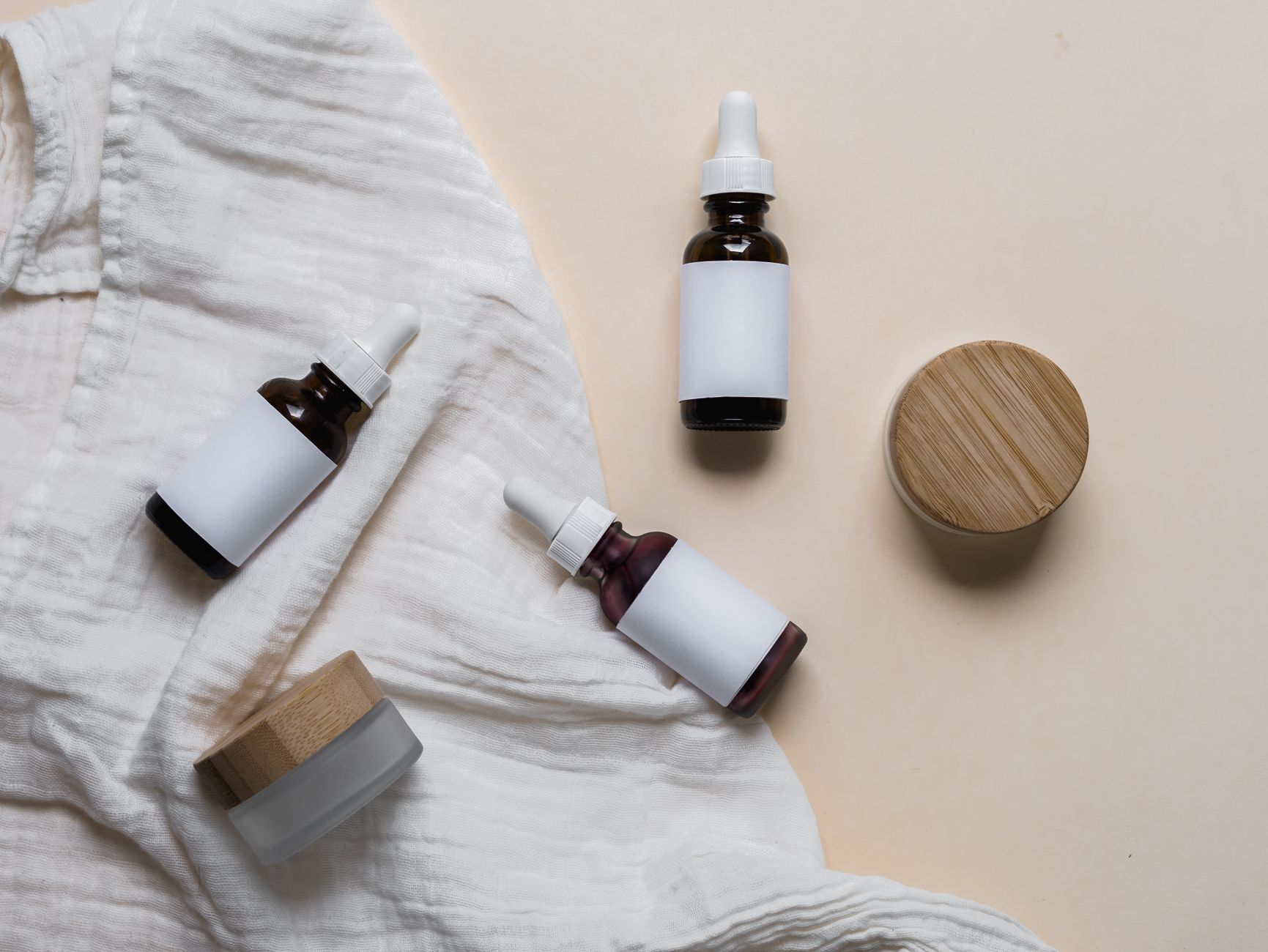
This October 2026 FAQ gives source-checked answers to common acne treatment and product questions. It covers prescription options, benzoyl peroxide safety, newer treatments, diet, and daily skin care. Acne vulgaris is the medical term for common acne, with pimples, blackheads, whiteheads, and deeper lumps. Product reviews help most when they compare active ingredients, correct use, and limits.
Medical information disclaimer: This article is for general educational purposes only and does not provide medical advice, diagnosis, or treatment. Always consult a physician or other qualified health professional about symptoms, medications, tests, or treatment decisions.
Table of Contents
- Which treatments have the strongest guideline support?
- Should you still buy benzoyl peroxide products?
- What is clascoterone cream?
- Do diet and daily habits change acne?
Which treatments have the strongest guideline support?
The American Academy of Dermatology's 2024 acne guidelines strongly recommend topical benzoyl peroxide, retinoids and antibiotics in fixed combinations, oral doxycycline, and oral isotretinoin for severe acne or scarring, as reported in the AAD guidelines summary. Fixed combinations pair ingredients that target bacteria, clogged pores, and inflammation together. Oral doxycycline is an antibiotic option for more widespread acne. The same guidelines give only a conditional recommendation to topical clascoterone and oral sarecycline.
Cost may limit equitable access for teens and adults with acne. That distinction matters when comparing newer branded products with established generics. Isotretinoin capsules are reserved for severe recalcitrant nodular acne in nonpregnant patients age 12 and older. The FDA dispenses them only through the iPLEDGE REMS program with enrolled prescribers, pregnancy prevention, and monitoring, according to the FDA iPLEDGE fact sheet. Severe birth-defect risk explains the strict controls.
Should you still buy benzoyl peroxide products?
Yes, but check lot numbers and store products as directed. FDA testing of 95 benzoyl peroxide acne products found 6 lots with elevated benzene, prompting March 2025 voluntary retail-level recalls including La Roche-Posay Effaclar Duo, Proactiv, SLMD and Walgreens lots, according to the FDA benzene FAQ. The FDA said decades of daily use still carries very low cancer risk. The National Institute of Arthritis and Musculoskeletal and Skin Diseases states benzoyl peroxide kills bacteria and may decrease sebum.
Retinoids derived from vitamin A treat lesions, reduce inflammation, help prevent new acne, and help with scarring. Those actions explain why many leave-on gels, washes, and combination products pair the two types. When reviewing a product, look past the brand name. Note the active ingredient, strength, vehicle, and directions. A wash stays on skin briefly, while a leave-on gel has longer contact and more irritation potential.
What is clascoterone cream?
Clascoterone 1% cream, sold as Winlevi, is a first-in-class topical androgen-receptor inhibitor, according to DermNet in the DermNet drug overview. It was FDA-approved in 2020 for acne vulgaris in patients age 12 and older. It can be used in males and females. Androgens increase oil production and contribute to clogged pores.
A topical blocker offers a different approach from antibiotics and retinoids. That may interest readers who want to limit antibiotic use. Access remains the practical issue for many families. The guidelines conditionally recommend clascoterone rather than strongly recommending it partly because high cost affects access. Ask a prescriber about coverage, prior authorization, and lower-cost alternatives before deciding.
Do diet and daily habits change acne?
Dermatology reviews advise patients interested in diet to consider a low-glycemic-index diet and avoiding certain dairy products. Nutrient signaling through mTORC1 and IGF-1 can increase sebum and inflammation.
Evidence is observational and limited, so diet works best as an addition to proven treatment. Daily habits affect irritation, picking damage, and clogged pores. Small steps reduce harm while treatment works:.
- Do not pop, squeeze, or pick acne.
- Avoid heavy scrubbing that irritates skin.
- Choose products labeled non-comedogenic or won't clog pores.
- See a board-certified dermatologist for persistent breakouts.
You Might Also Like
- What Is New With Product Reviews and Acne in October 2026? Latest FDA and dermatology sources and Key Takeaways
- Product Reviews and Acne October 2026 Update: What Changed, Why It Matters, and What to Watch Next
- Product Reviews and Acne 2026 Guide: safety and evidence limits; Key Facts and Questions to Ask