
This guide compares SOME BY MI cosmetic acne options with stronger medical treatments, then explains safety trade-offs and follow-up. For mild, sensitive acne-prone skin it can aid routine choice, while persistent or severe acne needs medical care. SOME BY MI 30 Days Miracle is a Korean cosmetic line built around exfoliating acids. AHA means alpha hydroxy acid, BHA means beta hydroxy acid, and PHA means polyhydroxy acid, all used to loosen dead cells and clear pores.
Medical information disclaimer: This article is for general educational purposes only and does not provide medical advice, diagnosis, or treatment. Always consult a physician or other qualified health professional about symptoms, medications, tests, or treatment decisions.
Table of Contents
- What does the Miracle kit offer?
- Should you choose acids or try retinol instead?
- What trade-offs and safety limits matter?
- How should you follow up?
What does the Miracle kit offer?
Foods Co./Kroger lists the 30 Days Miracle AC SOS Kit as a four-step set with Acne Clear Foam, Miracle Toner, Miracle Serum and Miracle Cream. The set is marketed for sensitive, acne-prone skin with tea-tree and centella ingredients.
The toner pairs AHA, BHA and PHA with 10,000 ppm tea-tree leaf water and 2 percent niacinamide. It is designed to exfoliate dead cells, clear pore impurities, support turnover and brighten skin. The foam contains 5,000 ppm salicylic acid plus AHA and PHA, Truecica with tea tree, centella and mugwort, and calamine for sebum care, pore cleansing and soothing.
Should you choose acids or try retinol instead?
The acid routine suits readers who want daily cosmetic exfoliation and oil control. It works on surface buildup and pore impurities, not deep or severe disease. Layering all four acid products can raise dryness and irritation for sensitive skin.
A brand alternative is Retinol Intense Reactivating Serum with 0.1 percent retinol plus retinal and 5,000 ppm bakuchiol. It uses elastic-liposome delivery and reports completed sensitive-skin hypoallergenic and non-comedogenic testing. Retinol better fits readers focused on turnover and texture, but start slowly and avoid combining it with strong acid layers at first.
What trade-offs and safety limits matter?
The National Library of Medicine DailyMed states in U.S. OTC salicylic-acid labeling that the ingredient treats acne, dries blemishes and helps prevent new pimples for external use only. The same labeling warns that irritation and dryness rise with another simultaneous topical acne drug, so use only one unless a doctor directs.
FDA warned on June 25, 2014 that benzoyl-peroxide or salicylic-acid products can rarely cause serious hypersensitivity or severe irritation. Warning signs include swelling, throat tightness and breathing difficulty, distinct from expected burning, dryness, peeling and redness. An MDedge summary of the AAD 2024 guideline gives strong recommendations for prescription care including benzoyl peroxide, topical retinoids such as adapalene and tretinoin, antibiotics and combinations, and isotretinoin for severe disease, while salicylic acid is only conditionally recommended.
How should you follow up?
The American Medical Association notes in physicians' follow-up advice gentle cleansing plus oil-free non-comedogenic moisturizer and broad-spectrum facial sunscreen SPF 30 or higher. Many acne treatments increase sun sensitivity and burn risk.
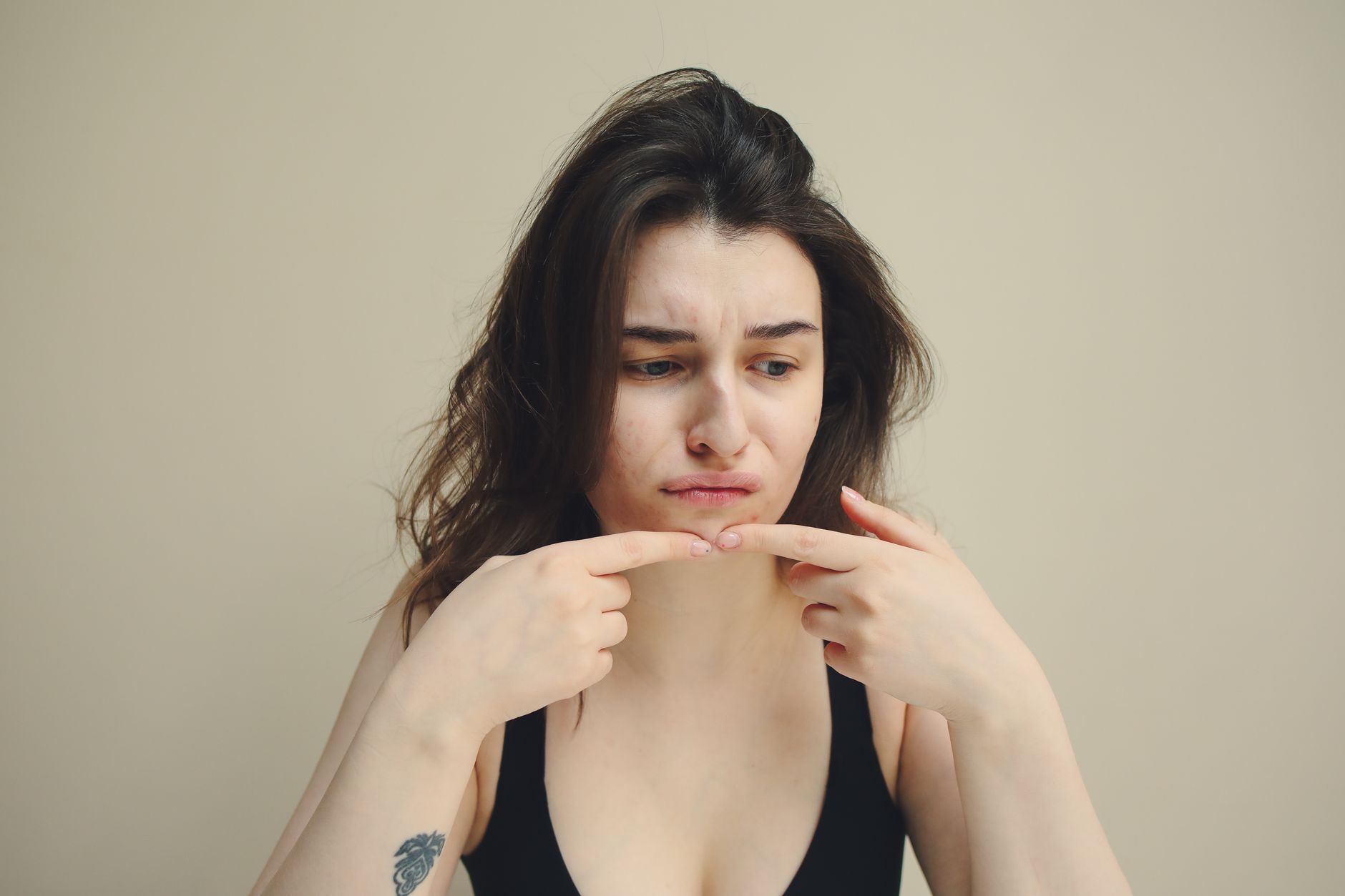
Use this simple routine to protect progress: Do not pick, squeeze or pop pimples because it can worsen inflammation, infection and scarring. Seek dermatologic care early or when acne persists, scars or causes distress.
- Cleanse gently without scrubbing or harsh exfoliation.
- Apply oil-free non-comedogenic moisturizer to limit dryness.
- Apply broad-spectrum facial sunscreen SPF 30 or higher each morning.