
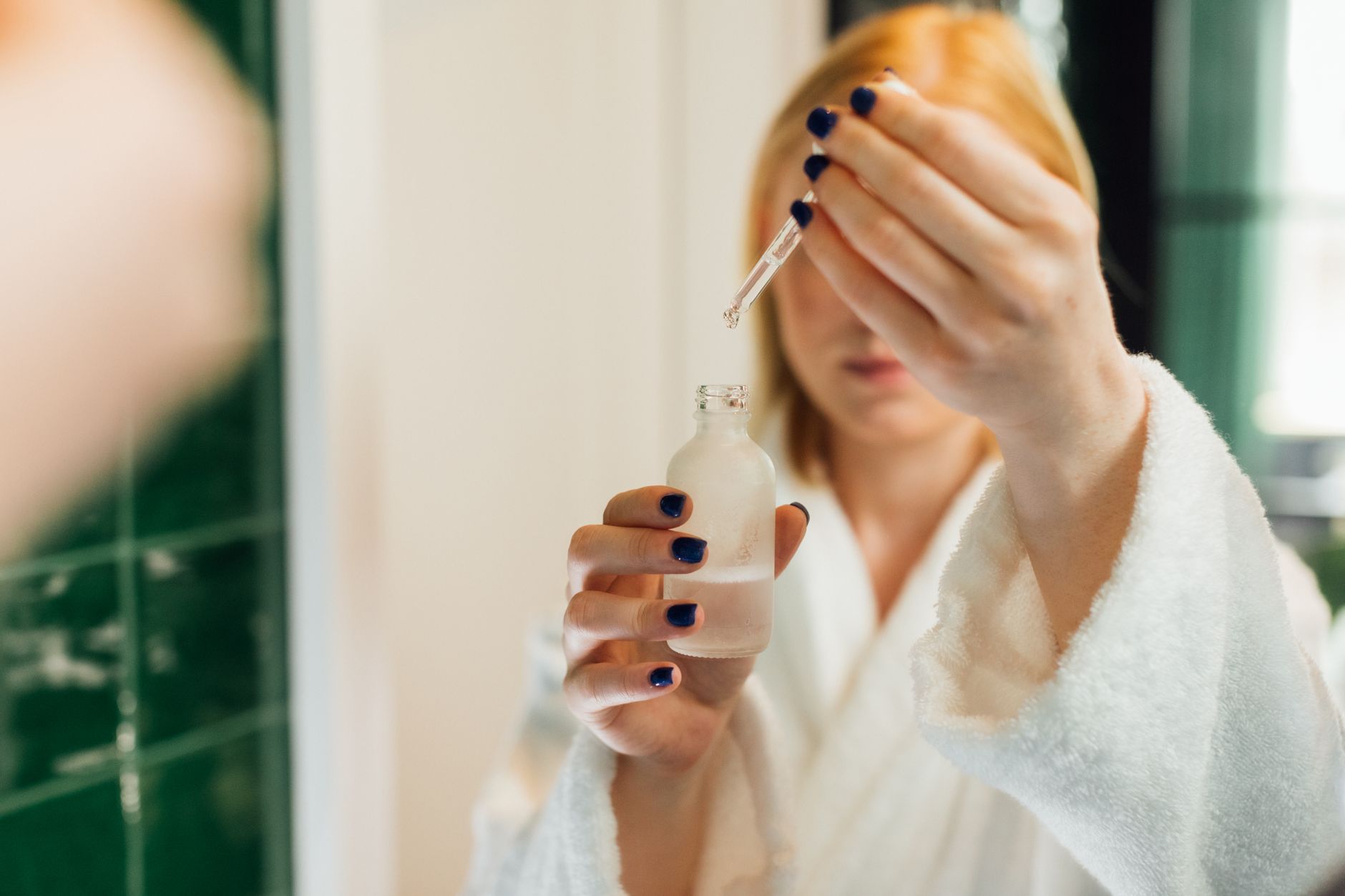
Salicylic acid for beginners is a skin-only acne treatment that clears pimples and helps prevent new blemishes when used carefully. It is a keratolytic, a substance that loosens dead skin to unplug blocked pores, calm swelling and redness, and help pimples shrink. NIH DailyMed acne labels list salicylic acid 2% as the active ingredient for treatment and prevention of blemishes. That fixed strength keeps starting simple: beginners can focus on routine, skin response, and safety limits.
Medical information disclaimer: This article is for general educational purposes only and does not provide medical advice, diagnosis, or treatment. Always consult a physician or other qualified health professional about symptoms, medications, tests, or treatment decisions.
Table of Contents
- What it does for acne-prone skin
- How should beginners start?
- What irritation is normal?
- Sun care and hard safety limits
What it does for acne-prone skin
The U.S. National Library of Medicine explains in its MedlinePlus drug reference that topical salicylic acid unplugs blocked pores so pimples shrink. It also reduces swelling and redness around breakouts.
That action helps both clear visible pimples and prevent clogged pores from turning into new ones. NIH DailyMed labels describe 2% salicylic acid as the active acne-treatment ingredient in a representative over-the-counter acne label. Beginners do not need to compare higher prescription strengths. For blackheads and early clogged pores, a low-strength daily routine is the practical starting point.
How should beginners start?
For blackheads, Cleveland Clinic dermatologist Dr. Angela Wei recommends a salicylic acid wash once daily in the clinic's blackhead guide. She also points to medicated pads or toners containing it. A wash is easier for beginners because contact time is short and rinsing removes residue.
The U.S. National Library of Medicine advises testing a small amount on one or two small areas first. Use the product only on skin and keep it out of eyes, nose, and mouth. If contact occurs, flush with water for 15 minutes.
- Start with one product once daily, not several acid products together.
- Apply only to affected facial or body acne areas.
- Stop added fragranced scrubs or harsh exfoliants while testing tolerance.
- Track redness, stinging, or peeling for the first week.
What irritation is normal?
Common early effects are dryness, peeling, redness, and irritation, according to NIH DailyMed labeling. Skin often feels tight after washing or looks flaky around pimples. These effects are more likely when another topical acne medication is used at the same time.
If irritation occurs, use only one topical acne product at a time. Reduce frequency, then resume slowly if skin calms. A plain moisturizer and gentle cleanser can reduce dryness without adding another acne drug.
Sun care and hard safety limits
Topical salicylic acid can increase sun sensitivity. NIH DailyMed and WebMD labeling direct users to avoid unnecessary sun exposure and use sunscreen when exposure is unavoidable. Morning sunscreen is especially useful when the acid wash is part of a daytime routine. Some limits are firm. The U.S.
National Library of Medicine says not to use acne-strength salicylic acid for genital warts, facial warts, hairy warts, nasal or oral warts, moles, or birthmarks. It also says not to use it on broken, sunburned, or irritated skin. Pregnancy effects are not established, and prescription labeling reports no adequate well-controlled studies. NIH DailyMed states that use during pregnancy should occur only if potential benefit justifies fetal risk after clinician advice. Anyone who is pregnant, planning pregnancy, or nursing should ask a clinician before starting.