
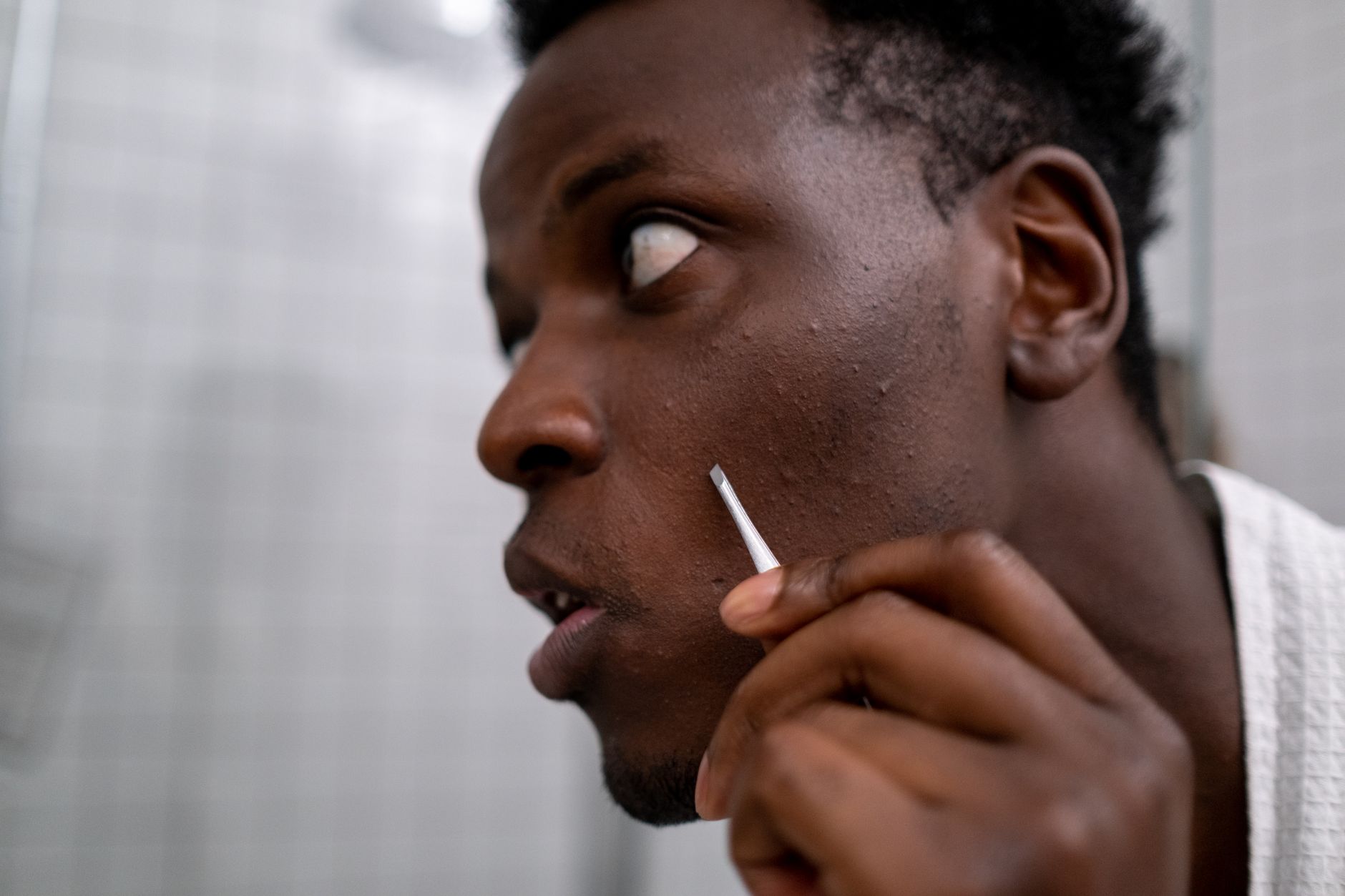
Yes, get a professional extraction — removal of a blackhead or whitehead with sterile tools — 5 to 10 days before your holiday photo. Do not squeeze the spot yourself or book any extraction within 48 hours of the shoot. Surface clogs heal cleaner when a trained provider removes them early. That buffer leaves time for redness to settle and keeps makeup off a fresh mark.
Medical information disclaimer: This article is for general educational purposes only and does not provide medical advice, diagnosis, or treatment. Always consult a physician or other qualified health professional about symptoms, medications, tests, or treatment decisions.
Table of Contents
- Which blemishes suit extraction?
- How early should you book?
- What helps a painful bump right before photos?
- How do you protect skin until photo day?
Which blemishes suit extraction?
A dermatologist-performed extraction uses sterile instruments to remove blackheads and whiteheads safely. Foothill Dermatology Medical Center, republishing AAD guidance, notes it is rarely first-choice because it takes time and can be costly. It works best as targeted cleanup, not routine acne care.
Deep, painful nodules or cysts do not qualify. The American Academy of Dermatology advises against popping them because picking raises infection, discoloration especially in darker skin, and scarring risk. A small surface whitehead is a different decision than a tender lump under the skin.
How early should you book?
Manual extractions often leave redness, swelling, and small marks for 24 to 72 hours. Professionals therefore advise booking 5 to 10 days before photos. They also advise avoiding any extraction within 48 hours of the event, according to timing guidance from Luxor Salon and Spa.
Healing varies by lesion depth and skin tone. FacialAdviser notes no dedicated trial measures average healing time, so timing rests on professional consensus. Residual redness or hyperpigmentation can persist weeks to months, longer on darker skin.
What helps a painful bump right before photos?
For one painful cyst or nodule, dermatologists offer a corticosteroid shot rather than extraction. Foothill Dermatology Medical Center, republishing AAD guidance, reports it flattens most lesions within 48 to 72 hours, speeds healing, and lowers scarring risk, but it cannot treat widespread breakouts, as described in corticosteroid guidance from Foothill Dermatology Medical Center.
Ask 4 to 5 days before photo day if you have a single tender bump. Bring your current treatment list and avoid picking while you wait. This option calms inflammation fast without creating an open wound.
How do you protect skin until photo day?
Squeezing at home can push pus and bacteria deeper. According to Cleveland Clinic, it can raise inflammation, infection, scarring, extra breakouts, and dark spots that fade over months, as explained in pimple-popping guidance from Cleveland Clinic.
Dermatology Times reports hydrocolloid patches absorb fluid from draining lesions and block picking, which may reduce inflammation and marks. They work poorly on closed deep bumps and do not replace standard treatment. If redness remains on photo morning, use color-matched concealer rather than another squeeze.
- Do not touch, squeeze, or use sharp tools on the spot.
- Cover a draining lesion overnight with a hydrocolloid patch to absorb fluid and stop picking.
- Keep your regular gentle cleanse, moisturizer, and acne treatment in place.