
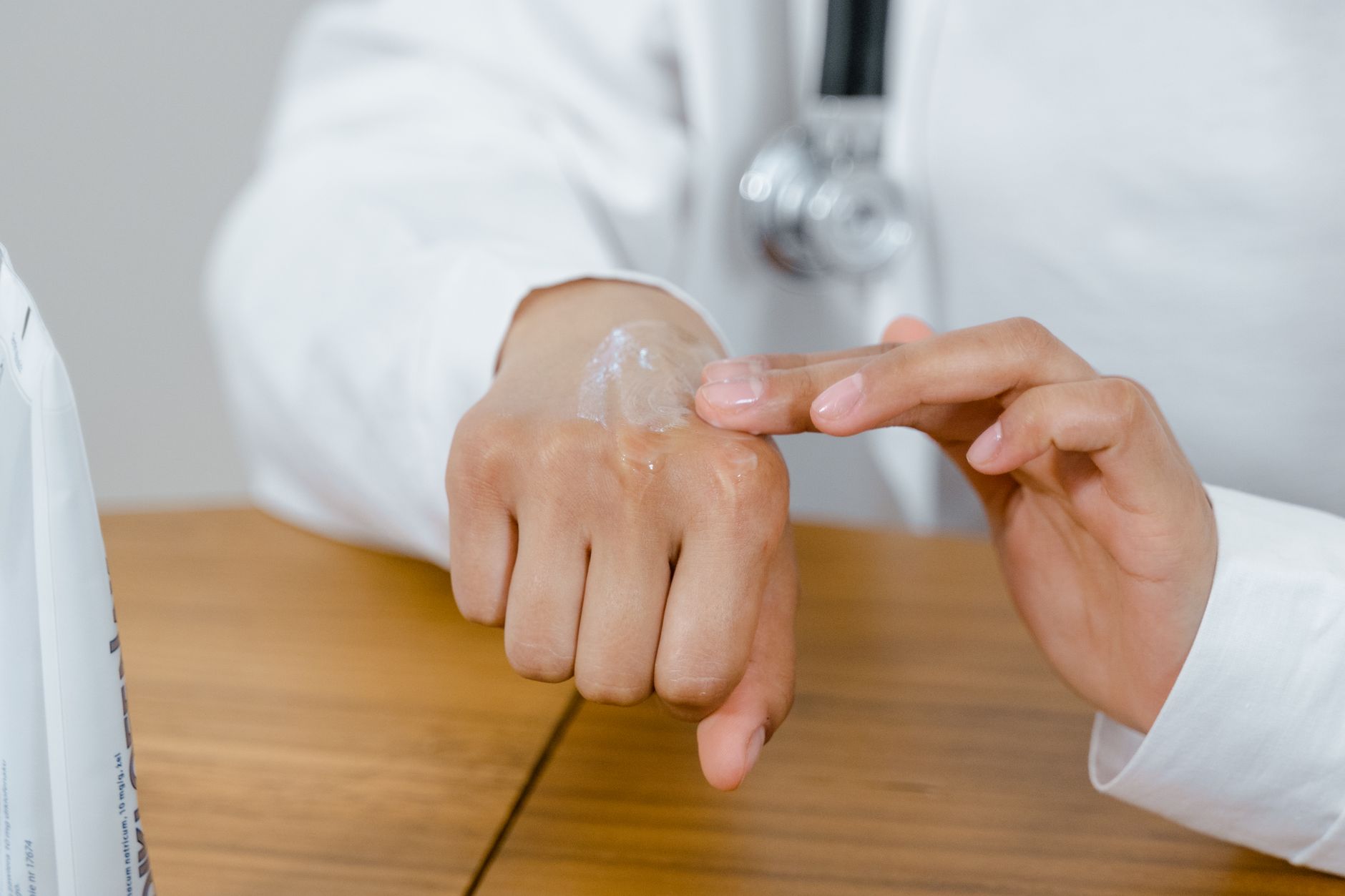
Dermatologists choose blemishes with a loose surface plug that can slide out, and they leave tender, red, or deep bumps untouched. Extraction means clearing a blocked pore with gentle, controlled pressure, not squeezing inflamed acne. The usual candidates are noninflamed open comedones, called blackheads, with accessible oxidized plugs, plus some mature superficial whiteheads. The decision turns on release: if light pressure does not free the plug, the blemish is not ready.
Medical information disclaimer: This article is for general educational purposes only and does not provide medical advice, diagnosis, or treatment. Always consult a physician or other qualified health professional about symptoms, medications, tests, or treatment decisions.
Table of Contents
- Which blemishes qualify for extraction?
- Which blemishes are ruled out?
- Why do milia need a different approach?
- When should you skip extraction and get treatment?
Which blemishes qualify for extraction?
Blackheads qualify most often because the pore stays open and the dark plug sits near the surface. Drought Skin explains that clinicians look for these accessible plugs when selecting lesions in its extraction guide for comedonal acne. A few superficial whiteheads may also qualify once the contents have collected near the surface.
The test is practical and conservative: gentle pressure should allow the material to exit cleanly. If the plug resists, dermatologists stop rather than push harder. Forcing it tears tissue and makes the spot worse.
Which blemishes are ruled out?
Red, swollen papules, pustules, painful nodules, and cysts are excluded from routine extraction. Squeezing these lesions can rupture the follicle wall and drive contents deeper.
The American Academy of Dermatology advises never trying to pop deep, painful pimples because picking can raise infection risk, scarring, and discoloration, especially in darker skin, in its advice on painful pimples. Skip extraction when you notice: Cleveland Clinic dermatologist Melissa Piliang warns that home squeezing is not a healthy habit and can cause scarring, infection, more breakouts, and hyperpigmentation lasting months. Hands, nails, and unclean tools add bacteria to already inflamed skin.
- redness, swelling, warmth, or tenderness
- a hard, painful lump without a surface plug
- pus, crusting, or several inflamed spots clustered together
Why do milia need a different approach?
Milia are distinct keratin-filled cysts, not acne. They form in groups when keratin becomes trapped under the skin in newborns and adults, and they lack a pore opening for pressure. That closed structure explains why squeezing does not work.
Pressure has no exit route, so the firm bead stays in place while the surrounding skin becomes injured. Curology explains that clinicians treat persistent milia by de-roofing the lesion in its medically reviewed guide to treating milia. After disinfection, they nick the cyst roof with a sterile needle or blade, then lift out the hard keratin plug.
When should you skip extraction and get treatment?
Extraction only clears an existing blockage and does not prevent future breakouts. It cannot correct the oil, dead skin, bacteria, hormones, and inflammation patterns that keep producing new lesions. Seek medical care for widespread comedones, mixed inflammatory acne, repeated painful nodules or cysts, or any scarring.
A dermatologist can prescribe topical retinoids, benzoyl peroxide, antibiotics, hormonal treatment, or other therapy matched to the acne type. Bring a short history to the visit: where breakouts occur, how long they last, what products you use, and whether dark marks or scars remain. Early treatment protects skin texture and lowers the chance of lasting discoloration.