
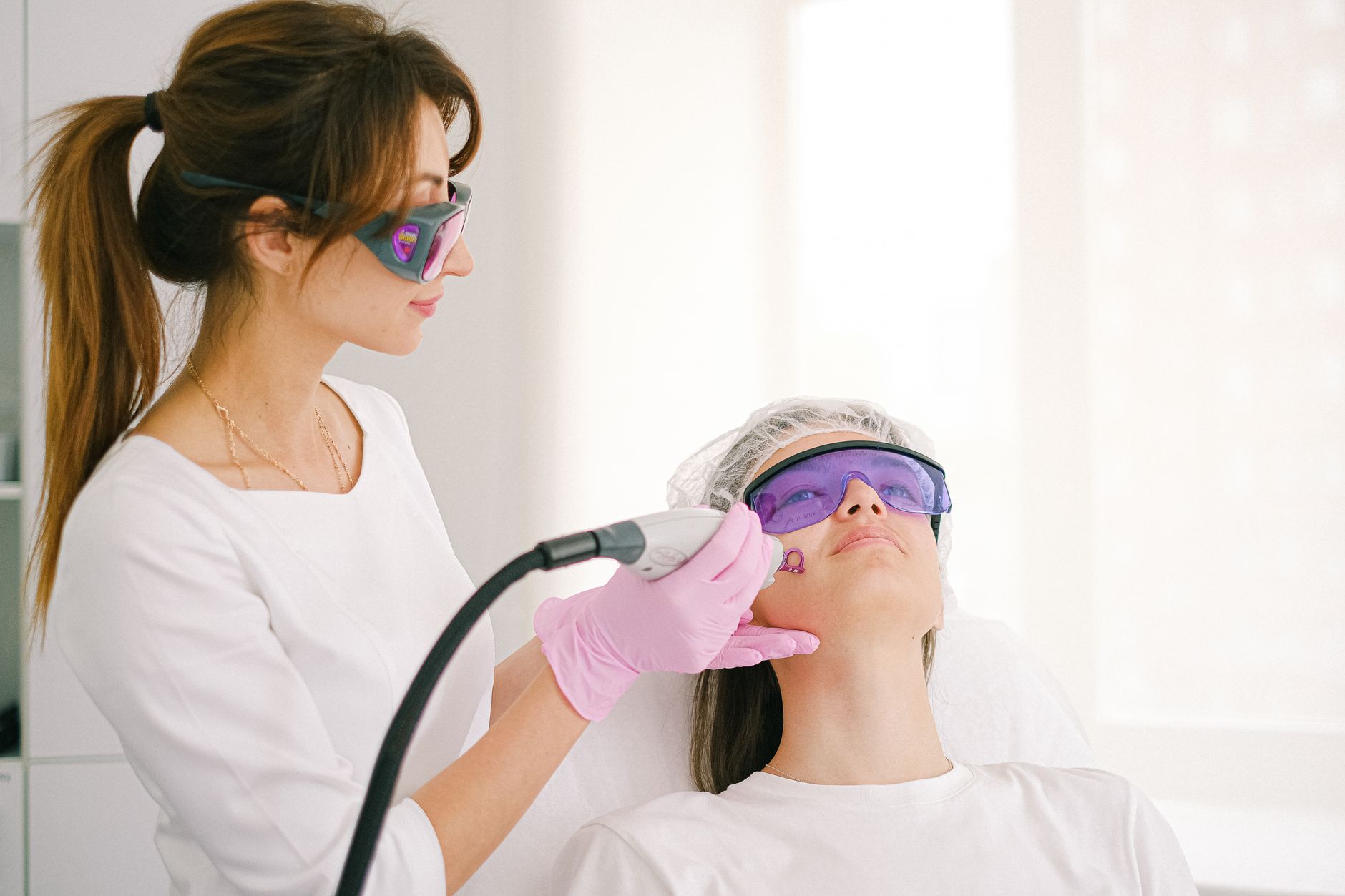
Photodynamic therapy (PDT) for acne showed stronger trial results in 2026 but remains investigational. PDT uses a light-sensitive gel plus red light to target sebaceous glands and bacteria. The key advance is Biofrontera's Phase 2b test of Ameluz gel 10% PDT in moderate-to-severe acne.
Standard U.S. guidance still does not recommend PDT for routine acne care. Readers need trial numbers, tolerability facts, and open protocol questions to discuss options wisely.
Medical information disclaimer: This article is for general educational purposes only and does not provide medical advice, diagnosis, or treatment. Always consult a physician or other qualified health professional about symptoms, medications, tests, or treatment decisions.
Table of Contents
- What did the Ameluz trial show?
- What does treatment feel like?
- Why isn't PDT routine care yet?
- What new approaches are being tested?
What did the Ameluz trial show?
TipRanks, reporting Biofrontera's announcement, describes greater inflammatory-lesion reductions with Ameluz PDT than with vehicle PDT. The company selected 3-hour incubation as the lead regimen with full Phase 2b results. In the per-protocol 3-hour group, lesions fell about 58% versus about 37% with vehicle.
Modified investigator global assessment scores also favored Ameluz PDT in that group. The endpoint measures overall acne severity and treatment success. Stronger lesion and global scores support moving toward Phase 3 planning.
What does treatment feel like?
Motley Fool's transcript of Biofrontera's Q1 2026 earnings call reports mainly mild-to-moderate burning and itching with tolerability details. Pain scores were modest. About 86% of treated patients said they would choose PDT again.
That pattern shapes counseling for adolescents and adults considering light-based care. Burning tends to peak during illumination and ease afterward. Itching and redness can persist short-term and need simple aftercare.
Why isn't PDT routine care yet?
The American Academy of Dermatology guideline page finds insufficient evidence to recommend aminolevulinic-acid PDT for acne in current acne guidance. The same guidance does not support laser and light devices, peels, extraction, or microneedle radiofrequency. PDT therefore sits outside routine recommendations.
Biofrontera plans FDA discussion in the second half of 2026 on Phase 3 design. Ameluz PDT for acne therefore remains investigational with no approved acne use. The AJMC 2026 review links slow uptake to protocol variation, small series, and field-treatment pain.
What new approaches are being tested?
Laboratory work reported in Scientific Reports tested sodium iron chlorophyllin 7.5 mg/dL plus 3.5 J/cm2 red light against drug-resistant Cutibacterium acnes. The combination killed all 10 isolates by over 3 log10, while sensitizer or light alone did not. A PatLynk trial record describes an ongoing Phase 2 quadruple-blind trial of chlorin-e6 PDT versus placebo in 46 adults ages 18 to 50.
Protocols differ by drug, incubation time, light dose, and session count. That variation makes direct comparison difficult. Use these checks before considering PDT or a trial:.
- Ask whether the protocol is approved care or investigational PDT
- Ask about sessions, downtime, pain control, and cost per course
- Ask whether adult moderate-to-severe acne trials ages 18 to 50 fit your history