
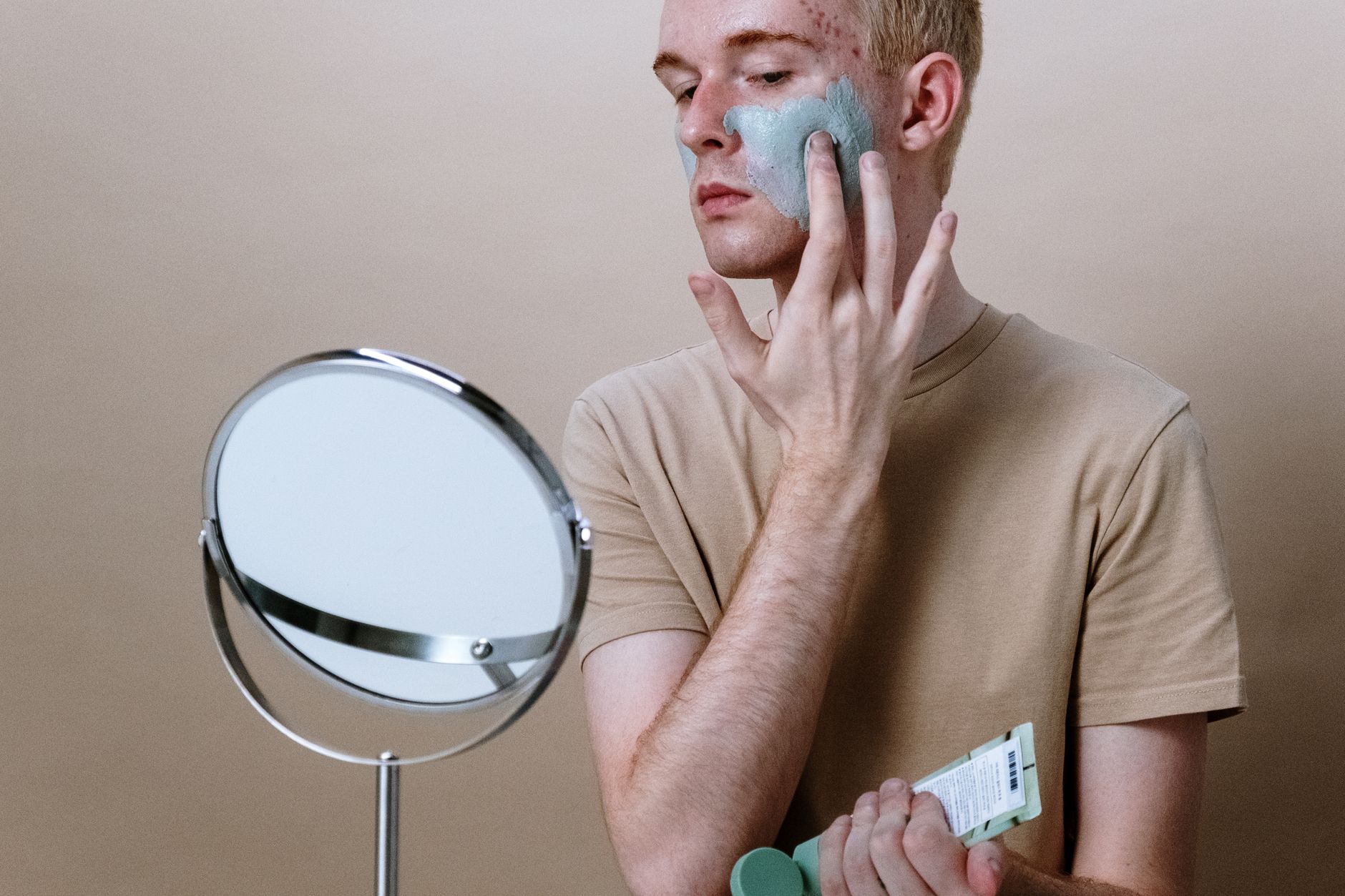
Parents of children with acne can build care around gentle washing, light moisture, sun protection and one simple treatment step. Pediatric acne means breakouts in children, often ages 7-12 with early puberty, while rosacea means facial redness with sensitivity.
The 2026 American Academy of Dermatology Annual Meeting was held March 27-31, 2026 in Denver, according to Incyte via Business Wire in its meeting preview. This guide answers routine questions for parents. It covers age checks, daily washing, treatment follow-through, rosacea signs and follow-up timing.
Medical information disclaimer: This article is for general educational purposes only and does not provide medical advice, diagnosis, or treatment. Always consult a physician or other qualified health professional about symptoms, medications, tests, or treatment decisions.
Table of Contents
- Which ages need prompt medical review?
- What does a gentle daily routine include?
- How can parents help treatment stick?
- Is facial redness acne or rosacea?
- How long to wait and when to return?
Which ages need prompt medical review?
Pediatric dermatologists define preadolescent acne as acne in otherwise healthy children ages 7-12 linked to early puberty, as reported by MDedge Dermatology from an AAD presentation. This age group often needs routine skin care plus evaluated acne treatment. Parents can note age at first pimples, blackheads or oily skin.
Acne at ages 1-7 is uncommon and can signal precocious puberty or hormone disease needing evaluation, according to the same dermatology reporting. Parents of younger children should seek pediatric and dermatology review rather than starting store acne products alone. Bring the age timeline and any growth or puberty changes to the visit.
What does a gentle daily routine include?
According to the American Academy of Dermatology in its habits-stop guide, skin-care advice centers on gentle twice-daily washing with fingertips and mild cleanser. The same guidance favors non-comedogenic moisturizer and sunscreen, a term that means products made to avoid clogging pores.
It also advises avoiding picking, harsh scrubs and greasy products that worsen breakouts. A simple pattern helps parents stay consistent:.
- wash morning and night with lukewarm water, mild cleanser and fingertips, then pat dry
- apply thin non-comedogenic moisturizer and morning sunscreen
- keep hands off pimples and avoid scrubs, alcohol pads and greasy pomades
How can parents help treatment stick?
Dermatologists recommend simplifying routines to once-daily use when possible to improve adherence in preadolescents, as reported by MDedge Dermatology quoting Dr. Zaenglein via Medscape. They also warn parents that benzoyl peroxide can bleach towels and clothing.
They suggest starting with benzoyl peroxide plus salicylic acid while protecting the skin barrier. For children age 9 and older, FDA labeling now permits several topical retinoid combinations, according to the FDA announcement reported by Managed Healthcare Executive in its approval notice. The options include adapalene 0.1 percent with benzoyl peroxide 2.5 percent, trifarotene 0.005 percent and tretinoin with benzoyl peroxide, based on pediatric trials. The 2024 AAD acne guideline also strongly recommends benzoyl peroxide, topical retinoids, topical antibiotics, oral doxycycline and oral isotretinoin for severe disease, as summarized by the Journal of the American Academy of Dermatology via Medical Xpress.
Is facial redness acne or rosacea?
Children can develop rosacea with facial redness and sensitivity. American Academy of Dermatology rosacea guidance reported by KBS in its AAD summary stresses daily broad-spectrum SPF 30 or higher sunscreen with zinc oxide or titanium dioxide. It also favors gentle fragrance-free care.
The same guidance advises avoiding sun, heat, harsh products and steroids. Parents should watch for lasting flushing, visible vessels, burning or bumps centered on the cheeks and nose. A dermatologist can separate rosacea from acne and adjust washing, sunscreen and prescriptions.
How long to wait and when to return?
The 2024 AAD acne guideline excluded neonatal and infant acne, late-onset acne and acne rosacea variants, according to the AAD guideline summary via Medical News Today. That limit means baby breakouts and adult-onset patterns need separate medical advice. Parents should use child guidance only for the ages and acne types above.
Parents should expect up to 12 weeks to see improvement, according to the same guideline summary. Seek care for severe, scarring, persistent or worsening lesions. Bring all washes, creams and medicines to the visit.