
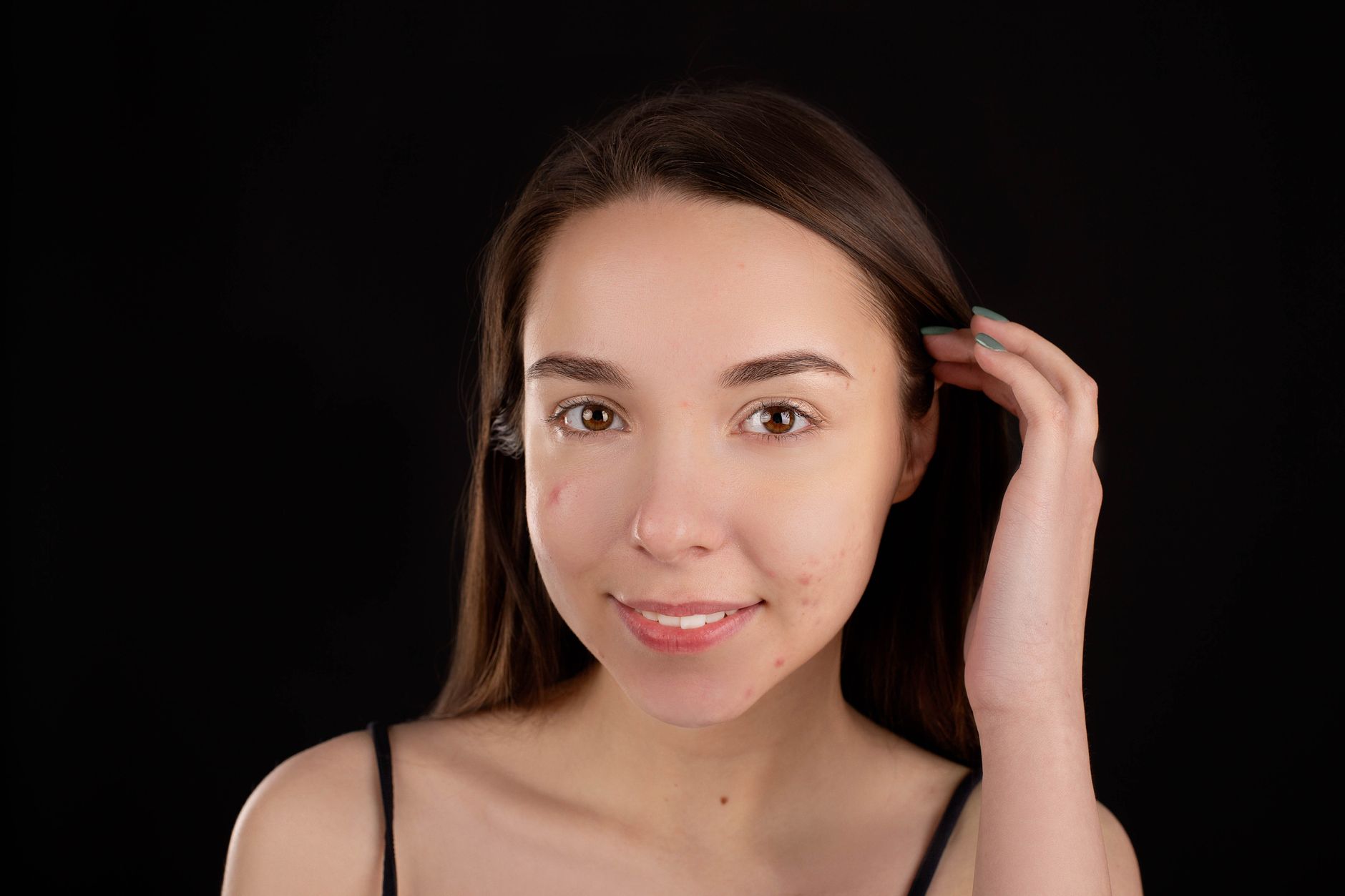
Read headlines from the 2026 AAD Annual Meeting as diagnostic guidance for children, not proof of new cures. The Denver program centered on early, individualized diagnosis and treatment because pediatric acne and rosacea differ from adult disease.
Acne vulgaris creates clogged pores, pimples, and tender red bumps. Childhood rosacea creates lasting facial redness plus pimple-like bumps and sometimes sore, red eyes. The two can overlap, so age and eye symptoms guide the diagnosis.
Medical information disclaimer: This article is for general educational purposes only and does not provide medical advice, diagnosis, or treatment. Always consult a physician or other qualified health professional about symptoms, medications, tests, or treatment decisions.
Table of Contents
- Why diagnosis comes first in children
- Which acne products match your child's age
- Why trial readouts are not new standards
- What to ask and check before changing care
Why diagnosis comes first in children
The American Academy of Dermatology previewed Rady Children's Hospital dermatologist Dawn Eichenfield explaining these childhood differences at the March 27-31 meeting in Denver the AAD Annual Meeting preview. She framed pediatric acne and rosacea as distinct from adult disease needing early, tailored care.
Journal of Clinical Medicine researchers, in a retrospective study of pediatric rosacea, found clinicians must separate rosacea from acne and check the eyes the pediatric rosacea study. Adult classification systems underemphasize frequent eye disease in children. A Dermatology Times review lists these overlaps in children and teens:.
- acne vulgaris, perioral dermatitis, seborrheic dermatitis, and demodicosis share facial bumps and redness with childhood rosacea
- isolated eye rosacea can look like allergic conjunctivitis or bacterial blepharitis
Which acne products match your child's age
Medscape's summary of the AAD acne guideline notes FDA labeling is age-specific for acne topicals the AAD acne guideline summary. Fixed-dose benzoyl peroxide/adapalene, tretinoin/benzoyl peroxide, trifarotene, dapsone, and minocycline foam start at age 9. Most other retinoids, antibiotics, clascoterone, and azelaic acid start at age 12.
The triple gel clindamycin 1.2%/benzoyl peroxide 3.1%/adapalene 0.15% shows why age-checking matters. Contemporary Pediatrics and Bausch Health reported its Oct. 20, 2023 FDA approval only for acne vulgaris at 12 years and older.
- check age 9 options first when the child is 9-11
- check age 12 threshold before assuming a combination product fits
Why trial readouts are not new standards
Late-breaking AAD 2026 presentations included progressive trial readouts such as phase 3 efficacy data, according to Dermatology Times AAD 2026 conference coverage AAD 2026 conference coverage. Those readouts are preliminary research signals. They are not FDA approvals or AAD guideline recommendations.
A careful reader checks three items before acting on a headline. Check the studied age group, check FDA approval status, and check whether an AAD guideline recommends the approach. A product approved at 12 and older does not become appropriate for younger children because it appeared in a meeting program.
What to ask and check before changing care
The American Academy of Dermatology advises patients worried by benzoyl peroxide and benzene headlines to consider topical retinoids, salicylic or azelaic acid, or care from a board-certified dermatologist. The same AAD statement advises replacing products every 10-12 weeks and avoiding heat above 78F.
Bring the product label, the child's age, and eye symptoms to the visit. Ask whether the concern is acne, rosacea, another rash, or eye involvement. Replace opened acne products every 10-12 weeks and store them below 78F.
You Might Also Like
- Pediatric Acne and Rosacea at the 2026 AAD Annual Meeting: Evidence and Practice Questions Still Open for Pediatric Dermatology Patients
- Pediatric Acne and Rosacea at the 2026 AAD Annual Meeting: A Source-Checked 2026 Briefing for Pediatric Dermatology Patients
- Pediatric Acne and Rosacea at the 2026 AAD Annual Meeting: A Source-Checked 2026 Briefing for Teens With Early Acne