
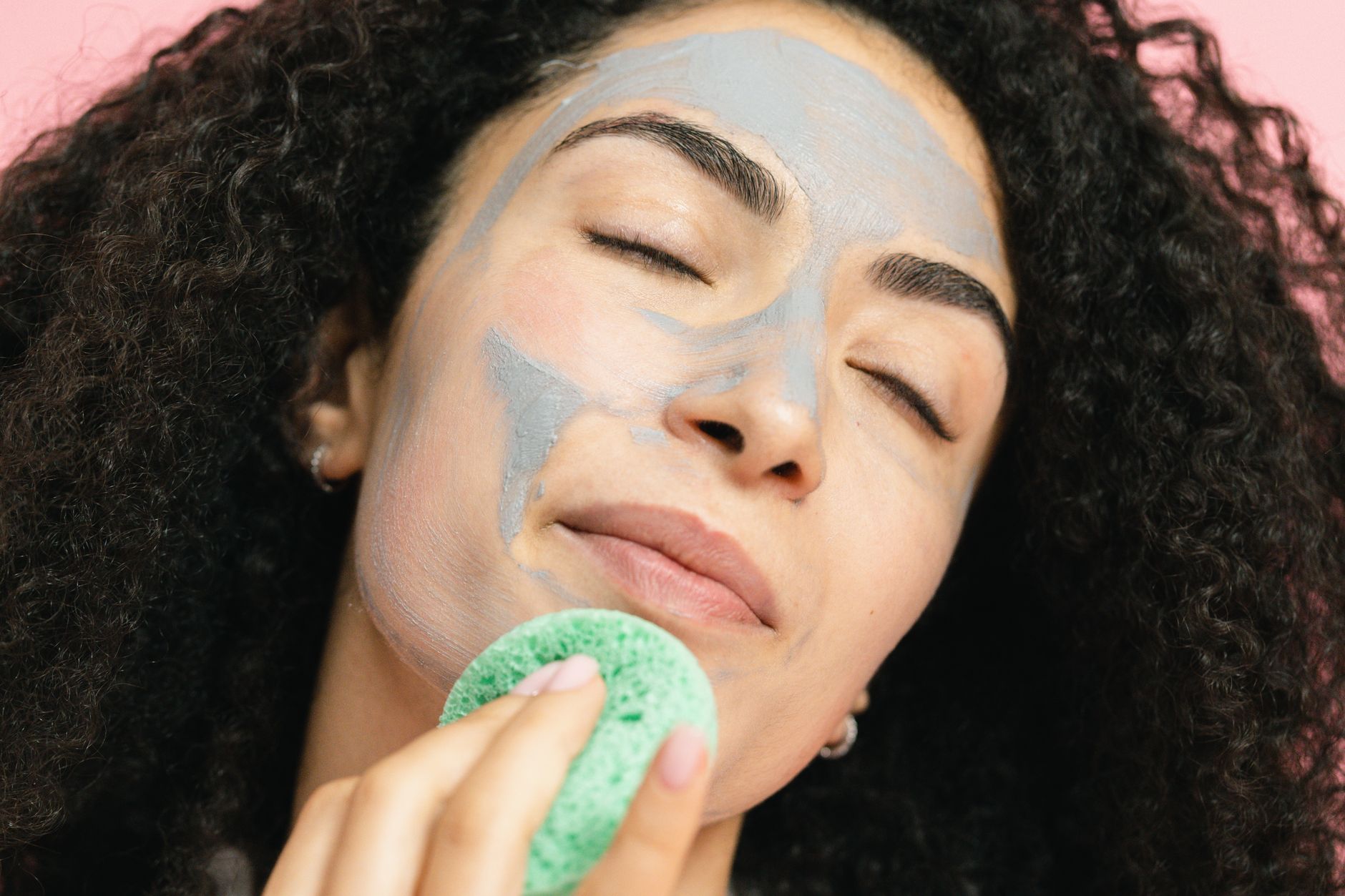
The best approach for oily skin pairs gentle oil control with targeted acne treatment and daily sun protection. You cleanse lightly, moisturize with an oil-free product, treat breakouts directly, and manage shine without harsh scrubbing.
Sebum is the skin oil that creates shine and can clog pores. Comedones are clogged pores that may become acne lesions. This guide compares routine options, explains irritation and sun-sensitivity trade-offs, and sets clear follow-up steps.
Medical information disclaimer: This article is for general educational purposes only and does not provide medical advice, diagnosis, or treatment. Always consult a physician or other qualified health professional about symptoms, medications, tests, or treatment decisions.
Table of Contents
- What does a gentle daily routine look like?
- When do you need acne treatment too?
- What are the main trade-offs?
- How do you choose sunscreen for oily, acne-prone skin?
- What follow-up keeps results on track?
What does a gentle daily routine look like?
According to the American Academy of Dermatology, wash morning, evening, and after exercise with a gentle foaming cleanser, as explained in how to control oily skin. Use lukewarm water and clean hands, not a scrub brush or washcloth. Extra washing and scrubbing irritate skin without durably lowering sebum. Moisturize daily even if skin looks shiny.
Choose a lightweight oil-free product labeled noncomedogenic, which means formulated to avoid clogging pores. Dehydrated oily skin can feel tight yet stay shiny and breakout-prone. For midday shine, press blotting paper gently onto oily areas. Do not rub or add another full wash. This gives temporary control without further barrier disruption.
- Wash morning, evening, and after sweating.
- Use lukewarm water and a gentle foaming cleanser.
- Moisturize daily with a lightweight oil-free product.
- Press blotting papers on shiny areas midday.
When do you need acne treatment too?
Excess sebum can clog pores and form comedones. Growth of acne-linked bacteria raises inflammation around those clogs. Oily skin with frequent blackheads, whiteheads, or tender pimples often needs both oil management and acne control.
Updated acne guidance from the American Academy of Dermatology strongly recommends benzoyl peroxide to lower acne-linked bacteria, as summarized in updated guidelines for the management of acne. It also recommends topical retinoids such as adapalene, tretinoin, tazarotene, or trifarotene to clear pores and lower inflammation. Combining different topical types often works better than one product alone.
What are the main trade-offs?
Benzoyl peroxide and topical retinoids commonly cause dryness, redness, peeling, or burning at first. That irritation can tempt people to stop treatment or add harsh scrubs. As reported by Dermatology Times, clinicians suggest starting with tolerable cleansers and keeping the routine simple to preserve adherence, as described in recommendations for treating oily and acne-prone skin.
Use oil-free moisturizer alongside actives to buffer dryness. Keep the total product count low when irritation appears. A simpler routine is easier to maintain than a strong routine that causes dropout.
How do you choose sunscreen for oily, acne-prone skin?
For acne-prone users, breakouts usually come from the sunscreen vehicle rather than the UV filter. Dermatologist Joel Spitz, writing for The Educated Patient, recommends noncomedogenic or nonacnegenic gel or lotion formulas. Mineral filters sit atop skin, while chemical filters absorb into skin.
A gel may suit very oily areas, while a lotion may suit combination areas. Both should carry a noncomedogenic or nonacnegenic label. Stop a formula that repeatedly triggers new clogged pores and try a different vehicle.
What follow-up keeps results on track?
As advised by Cleveland Clinic Newsroom, use broad-spectrum SPF 30 or higher and reapply about every two hours outdoors, as noted in updating your skincare routine for summer. Retinoids can thin the outer layer and raise sun sensitivity. Daily sunscreen matters more once retinoids join the routine.
Watch for steady improvement over several weeks, not overnight clearing. See a dermatologist if skin is not improving or is worsening. Bring a list of current cleansers, treatments, moisturizers, and sunscreen to that visit.