
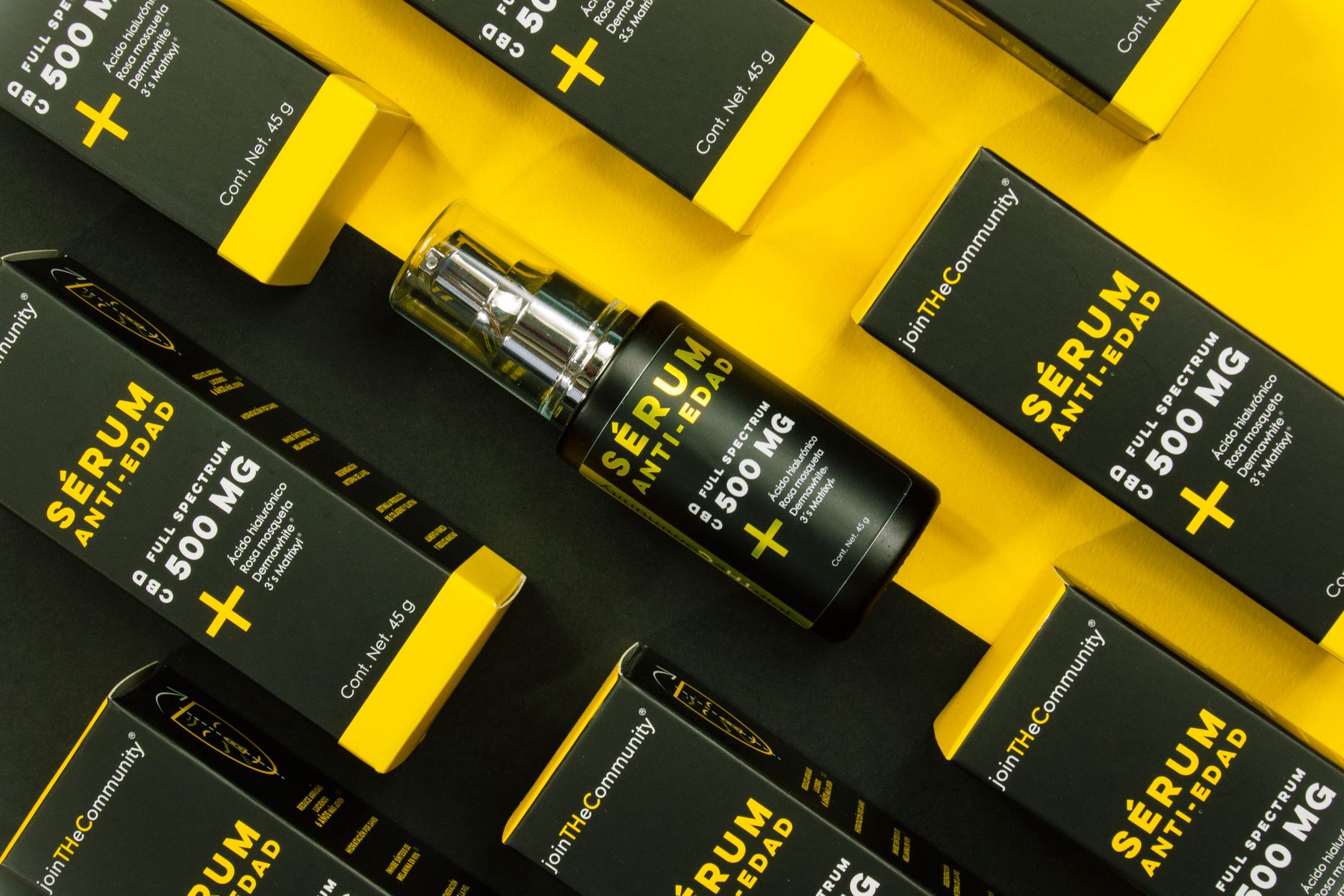
This guide helps you choose a niacinamide product for acne and oily skin, balance strength against irritation, and plan follow-up care. Cleveland Clinic defines niacinamide, also called nicotinamide, as the amide form of vitamin B3 without niacin's flushing. Start with your main goal of less oil, calmer redness, or stronger barrier. Then match the product strength to that goal and set a date to judge results.
Medical information disclaimer: This article is for general educational purposes only and does not provide medical advice, diagnosis, or treatment. Always consult a physician or other qualified health professional about symptoms, medications, tests, or treatment decisions.
Table of Contents
- What can it help with?
- Which strength should you pick?
- Who might discuss oral tablets?
- How do you start and check progress?
What can it help with?
According to Cleveland Clinic's niacinamide overview, topical niacinamide strengthens the skin barrier and calms redness. It is also used for acne and eczema and for dull texture and signs of aging.
Practical Dermatology reports controlled four-week trials where 2% niacinamide reduced sebum excretion and pore size in Japanese subjects. It also lowered surface sebum in Caucasian subjects.
Which strength should you pick?
According to Practical Dermatology's review of niacinamide as a cosmeceutical, about 2–5% delivers oil, tone, and barrier benefits with better tolerability. Strengths of 10% or more raise redness, burning, or itching in a minority without clear added benefit.
If your skin turns red or stings, the higher strength likely costs more comfort than help. Choose lower strength for first use or sensitive skin.
- 2–5%: oil, tone, and barrier help with better tolerability.
- 10% or more: more redness, burning, or itching without clear added benefit.
Who might discuss oral tablets?
In the 386-person ONTRAC phase-3 trial, high-risk adults with prior skin cancers took 500 mg twice daily for 12 months. According to The Minor Surgery Center's review of nicotinamide for skin cancer prevention, they developed about 23% fewer nonmelanoma skin cancers than placebo.
The benefit applied to basal and squamous cell cancers in high-risk patients, not melanoma or the general population. Protection faded after stopping treatment. Oral nicotinamide remains an optional add-on, not a substitute for daily sunscreen, protective clothing, shade, self-exams, and dermatologist checks.
How do you start and check progress?
Cleveland Clinic notes topical niacinamide is usually gentle but can cause mild burning, itching, or redness. It advises a 24-hour forearm patch test and stopping use plus seeking care for allergy signs.
Use four weeks as a first check-in for oil and pore changes. Bring the product name, strength, and skin notes to your dermatologist check.
- Test forearm for 24 hours before wider use.
- Stop and seek care for allergy signs.