
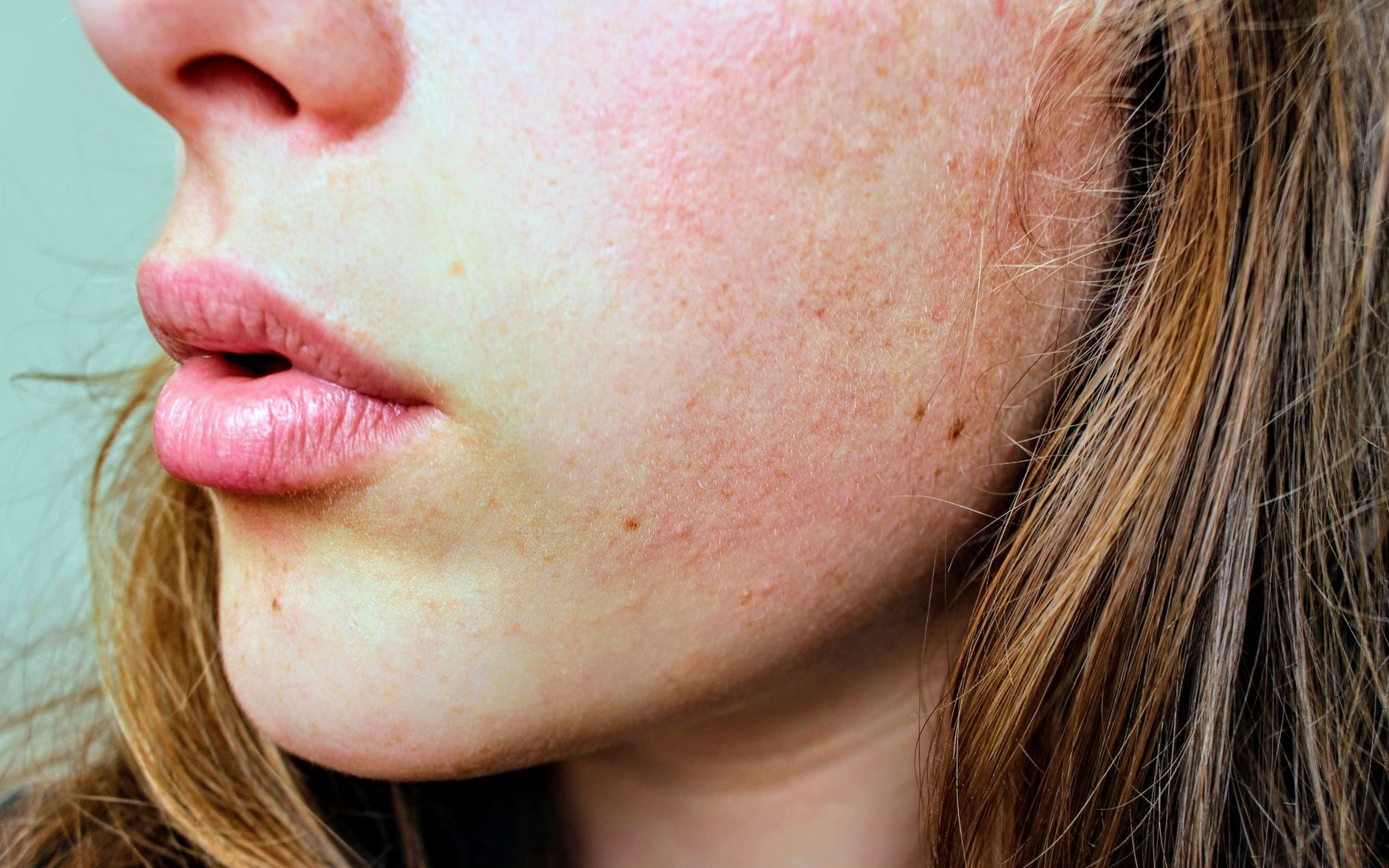
Cheek acne is acne vulgaris on the cheeks, and mild cases often respond to benzoyl peroxide, topical retinoids, or fixed combinations. Moderate disease may need antibiotics, hormonal acne may need contraceptives or spironolactone, and severe nodules may need isotretinoin with close follow-up. Excess sebum, clogged follicles, Cutibacterium acnes, and inflammation form comedones, papules, pustules, or nodules, according to the American Academy of Dermatology in acne causes overview. Cheeks are oil-rich facial zones, so they develop these lesions readily.
Medical information disclaimer: This article is for general educational purposes only and does not provide medical advice, diagnosis, or treatment. Always consult a physician or other qualified health professional about symptoms, medications, tests, or treatment decisions.
Table of Contents
- Why do cheeks flare?
- Which first-line treatments fit mild to moderate acne?
- When do hormonal therapy or isotretinoin make sense?
- What trade-offs and follow-up should you expect?
Why do cheeks flare?
American Medical Association physician guidance says rising puberty hormones, menstrual-cycle shifts, stress, and family history drive excess oil and flares. Adult women can have persistent acne for a decade with premenstrual flares.
The American Medical Association notes diet is not a primary cause for most people. Excessive intake and high-glycemic-index foods can flare certain patients, but 2024 American Academy of Dermatology guidelines made no specific diet recommendation.
Which first-line treatments fit mild to moderate acne?
Strong-evidence first-line options are topical benzoyl peroxide to reduce bacteria and topical retinoids to unclog pores. Adapalene and tretinoin are examples, and fixed combinations are also first-line, according to the American Academy of Dermatology in updated acne guidelines.
Doctors add topical or oral antibiotics for moderate disease. Match strength to severity, lesion type, and prior response rather than layering everything at once.
When do hormonal therapy or isotretinoin make sense?
Combined oral contraceptives or spironolactone address hormonal acne. The American Academy of Dermatology strongly recommends oral isotretinoin for severe, scarring, or treatment-resistant nodular acne.
Retinoids and benzoyl peroxide can cause dryness, peeling, and sun sensitivity. Antibiotics carry resistance risk, so the American Academy of Dermatology treatment approach pairs them with benzoyl peroxide for limited courses.
What trade-offs and follow-up should you expect?
Isotretinoin can cause dry skin, rash, muscle and joint pain, and sun sensitivity. It can cause serious fetal harm.
It requires contraception starting 1 month before through 1 month after plus regular blood-test monitoring, according to the UK National Health Service in isotretinoin safety information. Expect weeks for improvement rather than overnight clearing. The American Academy of Dermatology advises prompt dermatology for high-risk signs in acne treatment and when to seek care, because early treatment lowers scar risk.
- Seek primary care if over-the-counter care fails
- Seek dermatology promptly for severe, painful cysts or nodules
- Act fast for spreading disease, scarring, dark marks, or emotional distress