
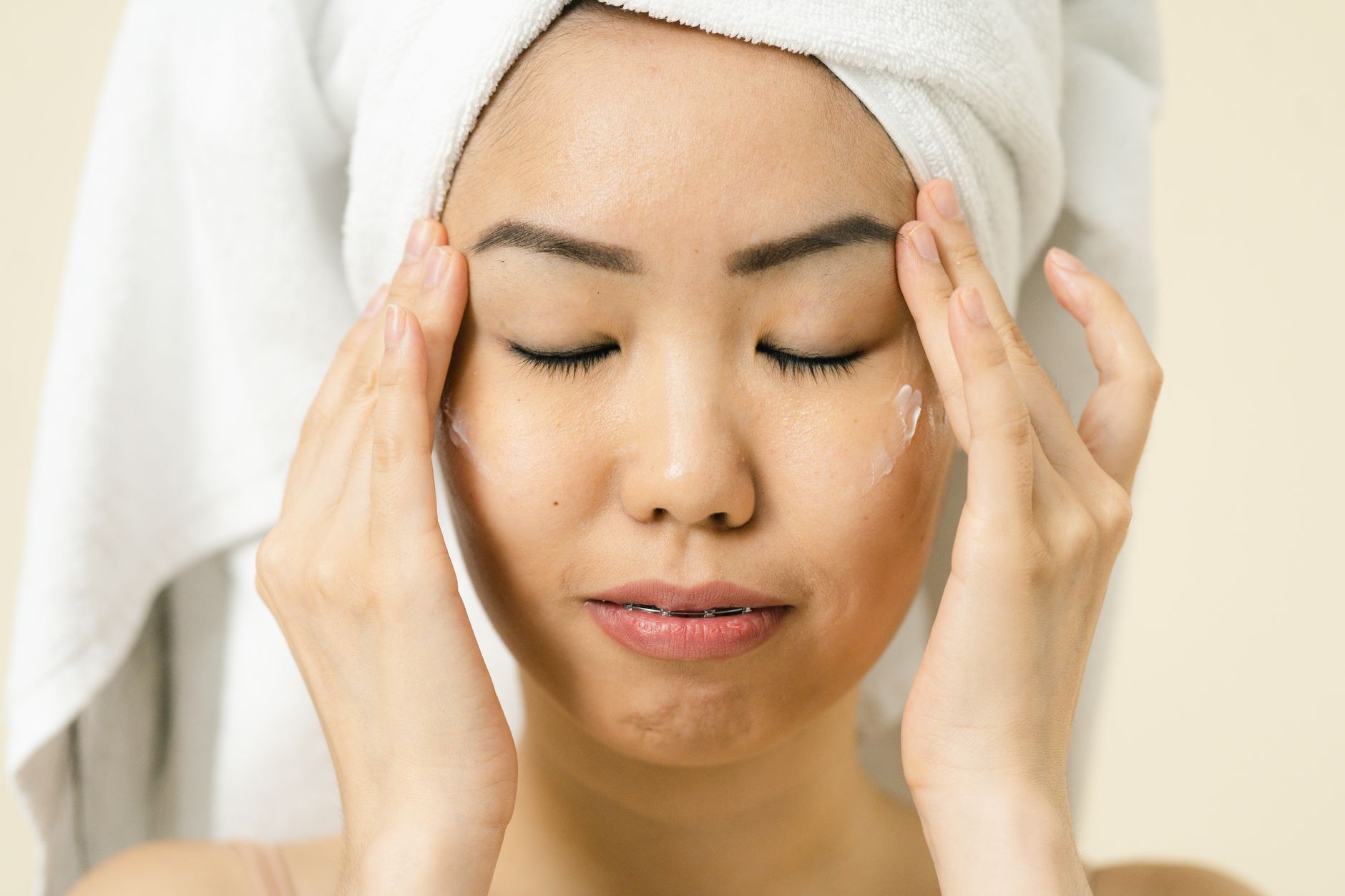
Finding a tinted sunscreen that doesn’t worsen acne or leave your skin looking shiny and congested is possible, but it requires understanding what separates a truly non-greasy formula from marketing claims. The best tinted sunscreens for acne-prone skin combine a lightweight, oil-free base with either mineral or non-comedogenic chemical filters, plus pigments that provide sheer to medium coverage without heavy silicones or occlusive oils. A person with cystic acne might choose a matte-finish mineral sunscreen tinted with iron oxides, which offers immediate coverage while their skin barrier heals, rather than waiting weeks for topical treatments alone to work.
The challenge isn’t finding *a* tinted sunscreen—it’s finding one that won’t trap bacteria, clog pores, or feel heavy after eight hours of wear. Many tinted sunscreens sold for general skin types contain emollients and thickening agents that make sense for dry skin but actively trigger breakouts in acne-prone individuals. The formulation structure matters more than the brand name: you’re looking for specific ingredient patterns and texture profiles that dermatologists recognize as lower-risk for active acne.
Medical information disclaimer: This article is for general educational purposes only and does not provide medical advice, diagnosis, or treatment. Always consult a physician or other qualified health professional about symptoms, medications, tests, or treatment decisions.
Table of Contents
- What Makes a Tinted Sunscreen Non-Greasy for Acne-Prone Skin?
- Mineral vs. Chemical Sunscreens for Acne: Which Formula Works Better?
- The Role of Tint and Iron Oxide Pigments in Acne-Prone Formulations
- Reading Labels for Acne-Safe Ingredients and Avoiding Red Flags
- Common Mistakes That Make Tinted Sunscreen Feel Greasy on Acne-Prone Skin
- Layering Tinted Sunscreen With Acne Treatments and Other Skincare
- Differences Between Powder, Spray, and Liquid Tinted Sunscreen Formats for Acne
- Frequently Asked Questions
What Makes a Tinted Sunscreen Non-Greasy for Acne-Prone Skin?
A non-greasy tinted sunscreen starts with its base formula, which is often water-based, gel-based, or powder-based rather than cream or lotion. Water-based and gel formulas dry to a matte finish and don’t leave an occlusive layer on the skin, making them less likely to trap sweat and bacteria that feed acne bacteria. Powder-based tinted sunscreens add another option: they contain mineral pigments (usually iron oxides and mica) suspended in a powder matrix that sets matte and allows skin to breathe.
The difference between a formula that feels lightweight and one that clogs pores comes down to secondary ingredients. Silicones like cyclopentasiloxane or dimethicone are common in sunscreens because they create a smooth feel, but they can sit on the skin and prevent oil drainage, especially in folded areas around the nose or chin. Similarly, oils like coconut or mineral oil, even in small amounts, increase the risk of congestion in acne-prone skin. A truly non-greasy tinted sunscreen either avoids these ingredients entirely or uses them in minimal amounts, relying instead on lightweight emulsifiers and film-formers.
Mineral vs. Chemical Sunscreens for Acne: Which Formula Works Better?
Mineral sunscreens (based on zinc oxide or titanium dioxide) are often recommended for acne-prone skin because these ingredients sit on the skin surface and reflect UV rays without penetrating into pores. They also tend to have a naturally matte finish and don’t break down in sunlight the way chemical filters do, which means they don’t degrade into irritating byproducts. However, mineral sunscreens can look chalky or ashy on darker skin tones unless they’re formulated with non-nano particles, which adds cost and complexity. Chemical sunscreens (based on ingredients like octinoxate, homosalate, or avobenzone) penetrate the skin and convert UV rays into heat.
They’re typically more elegant and less visible on the skin, making them popular in tinted formulations. The risk is that some chemical filters can trigger irritation or photosensitivity in acne-prone or sensitized skin, and if the formula contains comedogenic carriers, congestion becomes more likely. A chemical sunscreen that performs well for acne-prone skin usually has a lightweight, fast-absorbing base and avoids fragrance or essential oils that add irritation. The limitation of both approaches is that they’re not universally better—success depends on individual skin sensitivity. One person’s ideal formula might trigger breakouts in another because acne pathology varies: someone with bacterial overgrowth may need the breathability of a mineral sunscreen, while someone with primarily hormonal acne might tolerate a well-formulated chemical sunscreen better because it sits less heavily on the skin.
The Role of Tint and Iron Oxide Pigments in Acne-Prone Formulations
Tint in a sunscreen comes from iron oxides (red, yellow, and black iron oxide) and sometimes mica or titanium dioxide for light diffusion. Iron oxides themselves are inert and non-comedogenic; they sit on the skin surface and don’t clog pores. They also provide several practical benefits for acne-prone skin: they offer immediate coverage for active breakouts or post-inflammatory hyperpigmentation, which reduces the psychological burden of visible acne and means you don’t need to layer a separate foundation on top. Adding a heavy foundation over sunscreen is a common way people accidentally trap bacteria and worsen breakouts. The amount of tint matters.
A sunscreen with very sheer tint (barely perceptible pigment) won’t provide meaningful coverage, so you’re paying extra for minimal benefit. A sunscreen with medium tint usually delivers enough opacity to even out skin tone and hide active blemishes without looking cakey or sitting heavily. Some formulations allow you to build coverage by applying multiple thin layers, which actually distributes the product more evenly than one thick application and reduces the risk of clogged pores from uneven distribution. Iron oxides are also considered photoprotective themselves, meaning they contribute slightly to the total UV protection. This is a secondary benefit—the primary filters (mineral or chemical) do the heavy lifting—but it’s one reason mineral sunscreens with iron oxide tint sometimes outperform untinted mineral sunscreens in real-world use. The pigment adds a thin, light-diffusing layer that both protects and blurs imperfections.
Reading Labels for Acne-Safe Ingredients and Avoiding Red Flags
When shopping for a non-greasy tinted sunscreen, the ingredient list itself is a practical roadmap. Red flags include coconut oil, cocoa butter, isopropyl myristate, and acetylated lanolin—these are comedogenic oils and waxes that appear frequently in mainstream skincare but actively trigger breakouts in acne-prone individuals. Also avoid fragrance, essential oils (tea tree, lavender, etc.), and high concentrations of alcohol, all of which irritate acne-prone skin and can trigger more inflammation. Helpful ingredients to look for include niacinamide (calms inflammation and regulates oil), zinc (antimicrobial and oil-reducing), and azelaic acid (antimicrobial and reduces redness).
Some tinted sunscreens now include salicylic acid or other acne actives, though dermatologists often recommend keeping acne treatment separate from sun protection because mixing actives and sunscreen can reduce the efficacy of both. A simpler approach is choosing a sunscreen with a neutral, non-irritating base and applying your acne treatment before or after, not mixed together. The comparison between a “sunscreen for acne” marketed product and a generic lightweight sunscreen often comes down to these micro-ingredient choices rather than the main filters. A luxury brand’s gentle sunscreen might outperform a “dermatologist-approved acne” sunscreen if the latter still contains silicones in high amounts. Reading labels, not labels marketing claims, is the only reliable way to know.
Common Mistakes That Make Tinted Sunscreen Feel Greasy on Acne-Prone Skin
The most common mistake is not letting sunscreen fully set before adding other products. If you apply tinted sunscreen and immediately apply powder, concealer, or another layered product, you’re not giving the sunscreen time to dry or set, and you’re increasing the overall thickness of the film on your skin. Most lightweight sunscreens need 5 to 10 minutes to fully dry, especially if your skin is oily. Waiting feels inactive, so people skip this step and then blame the sunscreen for feeling heavy. Another frequent error is using too much product. A full face application of sunscreen is a quarter teaspoon to a half teaspoon (depending on face size and product density), which feels like a lot when you spread it across your entire face.
Many people use half that amount and then layer more product to get coverage, which creates an uneven, heavy feel. Using the correct amount the first time and letting it set is more effective and feels lighter. A less obvious mistake is applying tinted sunscreen over a damp or dewy skin base. If you apply it over moisturizer or essence that hasn’t fully absorbed, the sunscreen sits on top of a wet layer and takes much longer to set, if it sets at all. The result is a slippery, greasy feel that persists throughout the day. The solution is to let hydrating layers dry completely before sunscreen, or to use a matte-finish primer specifically designed to be lightweight and non-comedogenic.
Layering Tinted Sunscreen With Acne Treatments and Other Skincare
If you’re using prescription acne treatments like tretinoin, adapalene, or benzoyl peroxide, timing and layering become crucial. These actives can increase photosensitivity, which means UV protection becomes even more important, but they also make skin more fragile and sensitive to heavy products. The ideal routine is active treatment on clean, dry skin, wait 20 to 30 minutes for full absorption, then apply a lightweight moisturizer if your skin is dry or irritated, let that dry, then apply sunscreen. This spacing prevents the sunscreen from sitting on active medication and potentially reducing its efficacy.
Some people ask whether they should use a tinted sunscreen that also contains acne treatment ingredients like salicylic acid. The practical answer is no. Sunscreen filters need to stay on the skin’s surface to work; acne actives need to penetrate. Combining them forces a compromise where neither works optimally. It’s more effective to use a clean, protective sunscreen and apply your acne treatment in a separate step where timing and concentration are controlled.
Differences Between Powder, Spray, and Liquid Tinted Sunscreen Formats for Acne
Liquid tinted sunscreens (gels, fluids, lotions) are the most common and typically the most practical for daily use, since they’re easy to apply evenly and don’t require touching your face much after application. Gel sunscreens are particularly popular for acne-prone skin because they’re water-based and set matte. Fluid sunscreens are lighter than creamy lotions but sometimes require more careful spreading to avoid streaking.
Powder tinted sunscreens are a less common format but offer a distinct advantage for acne-prone skin: they’re already in powder form, so they dry instantly, provide coverage immediately, and don’t need to “set.” They’re useful for midday reapplication over makeup or for people whose skin is extremely oily. The tradeoff is that powder formulas can sometimes feel dry or look patchy if you don’t have a matte base, and they require good technique to apply evenly. Spray sunscreens are generally not recommended for face use because they’re difficult to apply evenly, easy to miss coverage areas, and rely on inhalation of fine particles. While spray sunscreens exist as tinted products, dermatologists typically suggest avoiding them for facial sun protection, especially for people with acne who need consistent, reliable coverage.
- —
Frequently Asked Questions
Can I use a tinted sunscreen as my only coverage product if I have active acne?
Yes, if the sunscreen provides enough tint to make you feel confident going out. Medium-tint formulations usually cover moderate acne or redness, especially if you apply the correct amount (quarter to half teaspoon for the full face). You can also apply multiple thin layers to build coverage without the heavy feel of one thick layer. If you have severe active cystic acne, you might want a bit more coverage, but many people find tinted sunscreen adequate on its own.
How often do I need to reapply tinted sunscreen?
The FDA standard is reapplication every two hours, or immediately after swimming or heavy sweating. In practice, most people reapply every three to four hours during a normal day. If you’re indoors most of the day and only exposed to brief periods of sun (like a commute), one careful morning application often provides adequate protection, though noon reapplication is ideal. Reapplication over makeup is easier with a powder tinted sunscreen or a sunscreen spray designed for reapplication.
Will a tinted sunscreen feel different from an untinted one?
Tinted versions usually feel slightly thicker because the added iron oxide pigment adds weight and opacity. However, a well-formulated tinted sunscreen should still feel lightweight and matte if the base formula is designed for acne-prone skin. The difference is subtle—usually described as “barely perceptible” by people who’ve used both—but if you have extremely oily or sensitive skin, testing a sample first is worth the effort.
What’s the difference between SPF 30 and SPF 50 in a tinted sunscreen?
SPF 30 blocks about 97 percent of UVB rays, while SPF 50 blocks about 98 percent—the difference is minimal in real-world protection. The practical difference is that SPF 50 formulas usually contain slightly higher concentrations of filter ingredients, which can make them feel heavier or slightly more occlusive. For acne-prone skin, SPF 30 in a truly non-greasy formula might perform better than SPF 50 in a heavier formula, because consistent daily use matters more than maximum protection. Choose based on how the formula feels on your skin, not just the number.
Can I mix my tinted sunscreen with my moisturizer?
Mixing is not recommended because it dilutes the sunscreen, reduces its efficacy, and makes the SPF number unreliable. If you want to use a moisturizer and sunscreen, apply them as separate layers: moisturizer first (let it dry), then sunscreen. If you’re looking to reduce the number of products, a hydrating tinted sunscreen might replace both—many are formulated with humectants and lightweight emollients that provide mild hydration without being occlusive.
Do I need a separate sunscreen if I use makeup with SPF?
Makeup with SPF is not a reliable sole source of sun protection because most people don’t apply enough makeup to reach the stated SPF number, and makeup is typically removed or fades by end of day. If you’re wearing makeup, use a dedicated tinted sunscreen as your base layer, then apply makeup on top. The tinted sunscreen ensures you have full, consistent coverage; the makeup SPF is a bonus, not a replacement.