
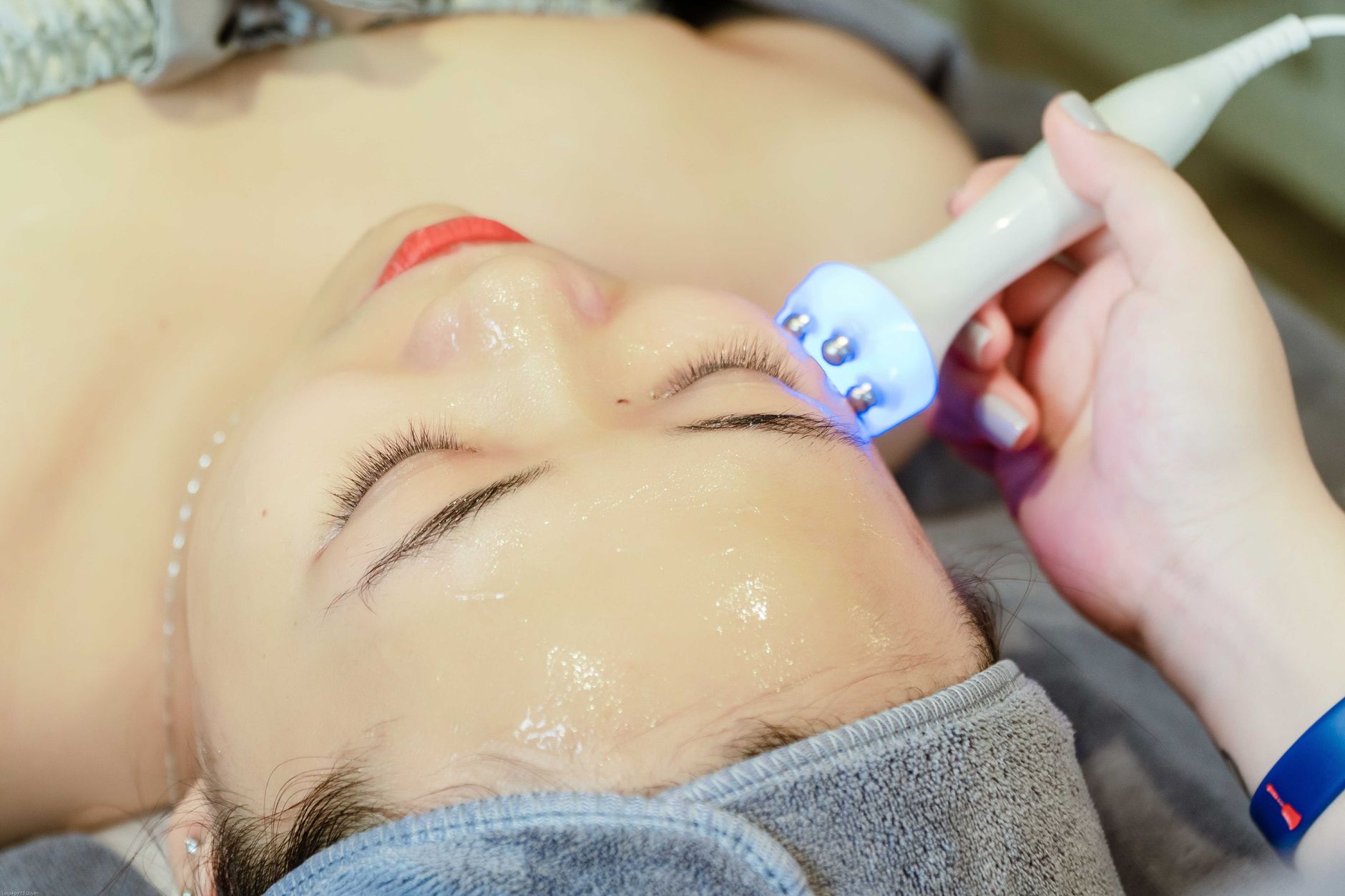
Combining microneedle radiofrequency with low-dose isotretinoin can be done without a six-month wait, but it needs pregnancy prevention, lab checks, and a licensed operator. Microneedle radiofrequency uses tiny needles to deliver heat energy into skin, and low-dose isotretinoin means about 5 mg daily for persistent adult acne. Adults consider this pair for active breakouts plus scars and redness. A dermatology expert task force now says fractional radiofrequency microneedling can be performed during or soon after isotretinoin, reversing older delay advice.
Medical information disclaimer: This article is for general educational purposes only and does not provide medical advice, diagnosis, or treatment. Always consult a physician or other qualified health professional about symptoms, medications, tests, or treatment decisions.
Table of Contents
- What low-dose isotretinoin offers adults
- What monitoring do you need on isotretinoin
- What are the risks of RF microneedling
- Can you combine them safely
What low-dose isotretinoin offers adults
A randomized double-blind trial found 5 mg daily for 16-32 weeks highly effective, fast-acting and well-tolerated for persistent low-grade adult acne. MDedge Dermatology reported the finding from Dr. Marius Rademaker at the European Academy of Dermatology and Venereology congress. A systematic review found comparable 24-week efficacy to conventional dosing with better tolerability and higher satisfaction.
Conventional dosing may act slightly faster, while evidence in severe acne remains limited. Oral isotretinoin can cause birth defects, miscarriage, and serious mental-health effects including depression, psychosis and suicide, according to the U.S. National Library of Medicine DailyMed FDA label FDA drug label. It is dispensed only under the FDA iPLEDGE restricted program.
What monitoring do you need on isotretinoin
People taking oral isotretinoin must enroll in iPLEDGE with prescriber and pharmacy certification, monthly pregnancy testing, contraception counseling, and 30-day supply limits, according to the Journal of Drugs in Dermatology iPLEDGE update. FDA removed the 19-day lockout after advocacy.
Acne experts reached consensus to check alanine aminotransferase and triglycerides at baseline and once at peak dose, plus required pregnancy testing. They advise against routine monthly blood counts, metabolic panels, or LDL and HDL testing.
- Enroll in iPLEDGE before filling isotretinoin
- Use effective contraception and complete monthly pregnancy tests
- Get baseline and peak-dose liver and triglyceride checks
- Fill only a 30-day supply through a certified pharmacy
What are the risks of RF microneedling
FDA cleared microneedling devices only for adults aged 22 and older for facial acne scars, facial wrinkles and abdominal scars. The agency warned on October 15, 2025 that some radiofrequency microneedling devices caused burns, scarring, fat loss, disfigurement and nerve damage, according to News-Medical reporting FDA guidance FDA safety guidance.
Fractional microneedle radiofrequency for acne commonly causes transient pain, swelling, redness, pinpoint bleeding and brief acne flares. One split-face trial reported 4.2 percent mild redness and 4.2 percent acne flare resolving within weeks, in Dermatology and Therapy split-face trial.
Can you combine them safely
Dermatology Times reported in June 2025 that a dermatology expert task force concludes fractional radiofrequency microneedling, fractional lasers, hair-removal lasers and superficial peels can be performed with concurrent or recent isotretinoin. The group found no need to delay for wound-healing concerns.
Trial limits still matter for planning. RF-microneedling trials often excluded active acne and isotretinoin use within 6 months, and combination data are small case series. Adults considering combined treatment should use a licensed professional with an FDA-cleared device, maintain pregnancy prevention and lab monitoring, and discuss timing with the prescriber.
You Might Also Like
- Low-Dose Isotretinoin Side Effects in the 2026 Fish Oil Trial: Study Design and Evidence Limits for Adults With Persistent Acne
- Cumulative Isotretinoin Dose and Acne Relapse in a 2026 Trial: Questions Adults With Persistent Acne Can Ask a Dermatologist
- Limited Topical Spironolactone Evidence in the 2026 Review: Safety and Monitoring Questions for Adults With Persistent Acne