
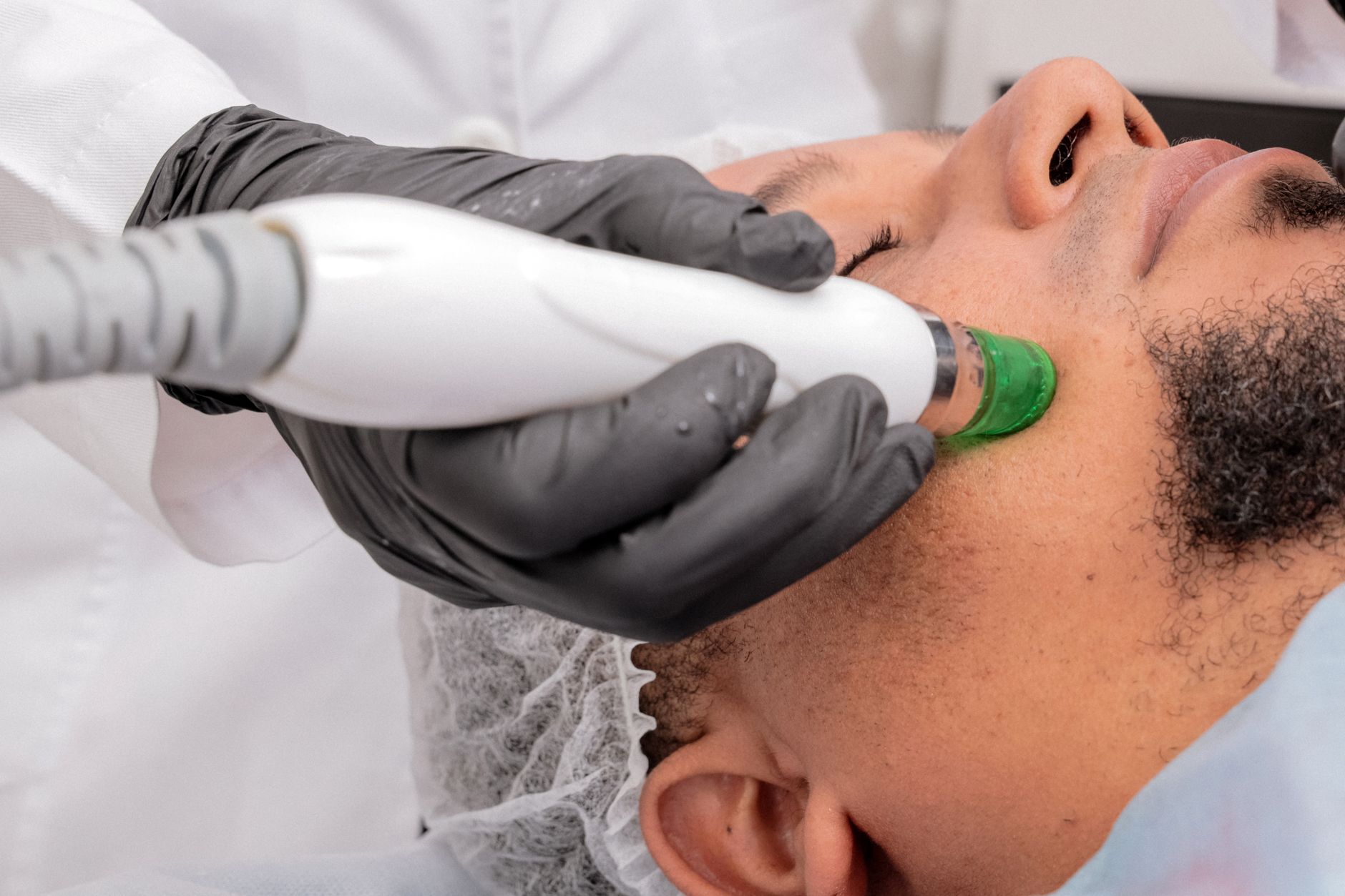
Fractional CO2 gives greater improvement for atrophic acne scars on average, while radiofrequency microneedling causes less pain and faster healing. Atrophic scars are depressed pits that sit below surrounding skin after acne heals.
Your better option in 2026 depends on scar shape, skin tone, pain tolerance, and time for recovery. Use the comparison below to set expectations for results, side effects, and downtime. Bring your scar type, skin history, and schedule to the consult and ask targeted questions.
Medical information disclaimer: This article is for general educational purposes only and does not provide medical advice, diagnosis, or treatment. Always consult a physician or other qualified health professional about symptoms, medications, tests, or treatment decisions.
Table of Contents
- Which improves scars more?
- How do pain and recovery compare?
- Does scar shape change the choice?
- What if you have brown or Black skin?
- What should you ask before booking?
Which improves scars more?
Radiofrequency microneedling uses tiny needles to deliver heat deep in skin and trigger collagen. Fractional CO2 uses a laser to remove tiny columns of skin and trigger repair. Both aim to raise pitted scars over weeks to months.
A March 2026 pooled analysis of 8 randomized trials with 249 patients compared the two options. It found fractional CO2 gave greater scar improvement and higher patient satisfaction, according to the Journal of Cosmetic Dermatology the March 2026 meta-analysis. A separate prospective split-face trial found both treatments improved facial atrophic scars, with radiofrequency microneedling scoring higher for first-session efficacy satisfaction and for safety satisfaction.
How do pain and recovery compare?
Pain favors radiofrequency microneedling. The same 2026 pooled analysis found pain scores were about 2.14 points higher on a visual scale with fractional CO2.
Recovery also favors radiofrequency microneedling. A comparative study found fractional CO2 caused more adverse reactions and needed longer healing, which affected time off work and sun avoidance. Fractional CO2 commonly brings redness, swelling, oozing, bronzing, and peeling around days 5-7, with pinkness lasting weeks to months, according to an MDPI review; one atrophic-scar pilot averaged 5.8 days downtime.
Does scar shape change the choice?
Yes. Broad rolling scars, boxcar edges, and narrow icepick pits respond differently. A clinician should map your mix under bright light before recommending energy settings.
A comparative study found fractional microneedle radiofrequency worked better for M-type depressed scars, while ultra-pulsed fractional CO2 worked better for V-shaped scars, according to the DOAJ-indexed comparative study the scar-subtype comparison. Ask which shapes dominate your cheeks, temples, or forehead. Mixed scars may need staged plans rather than one device.
What if you have brown or Black skin?
Heat plus pigment raises the risk of dark marks after resurfacing. Tell the clinician your burn-versus-tan history, prior pigment changes, and current sun exposure. Ask what settings and cooling reduce epidermal heat for your tone.
For darker skin, insulated tips confine radiofrequency heat to the dermis without heating the surface, and reviewers consider them safer for Fitzpatrick types IV-VI with mainly transient redness, according to the dermatologic review in Wiley the dermatologic review. That does not remove all risk. Ask about test spots, pigment precautions, and pause rules if redness or swelling runs long.
What should you ask before booking?
Much head-to-head evidence comes from small, single-treatment split-face studies. An American Academy of Dermatology 2026 handout cited median 1-point texture improvement for both, with more redness and skin-integrity loss 2-4 days after ablative laser. Use that limit to ask for a personal plan, not promises:.
- What scar subtypes do I have, and which device fits each area?
- What pain control, sessions, spacing, and touch-ups do you advise?
- How many days of redness, peeling, and sun avoidance should I plan for?
- How do you protect Fitzpatrick IV-VI skin from pigment change?
- What signs of infection, prolonged swelling, or scarring should prompt a call?
You Might Also Like
- Objective vs Patient-Rated Results in the 2026 Subcision Trial: Questions People With Atrophic Acne Scars Can Ask Before a Procedure
- Antioxidant Serum After Fractional CO2 Acne Scar Treatment in 2026: How People With Rolling Acne Scars Can Avoid Overreading the Headline
- Vitamin C, Vitamin E, and Ferulic Acid After Acne Scar Laser in 2026: How People With Rolling Acne Scars Can Avoid Overreading the Headline