
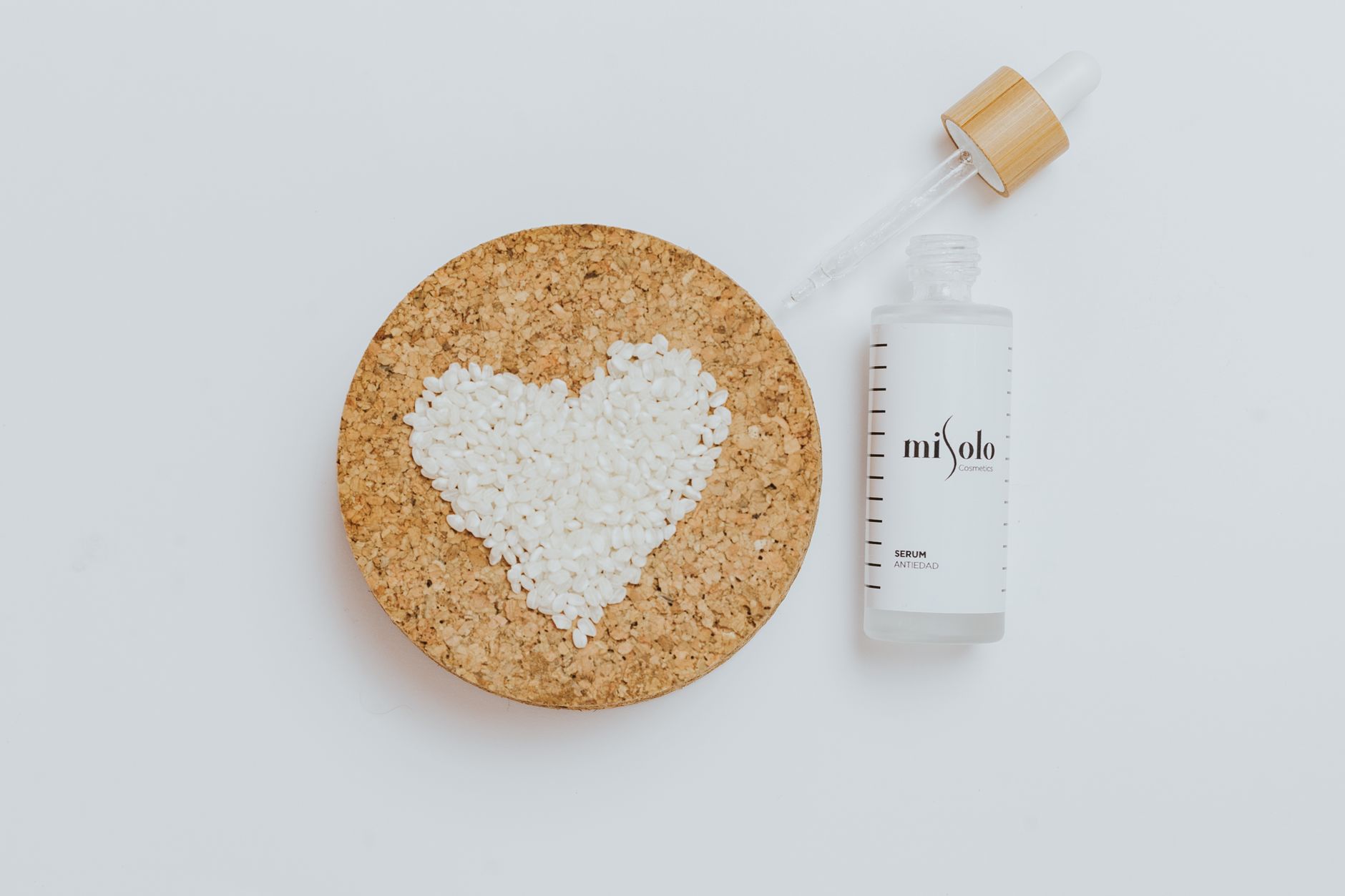
Microbiome-friendly acne care — prebiotics, probiotics, postbiotics and targeted bacteriophage — will not change routine treatment yet for adults with persistent acne. The 2026 findings show real lesion reductions, but mainly when biotics are added to proven prescriptions, not used alone. Persistent acne means breakouts that started in the teens and continue past age 25. For those readers, the practical choice now is to stay on proven prescriptions and view biotic or phage products only as possible add-ons.
Medical information disclaimer: This article is for general educational purposes only and does not provide medical advice, diagnosis, or treatment. Always consult a physician or other qualified health professional about symptoms, medications, tests, or treatment decisions.
Table of Contents
- What did the 2026 biotic review find?
- Why do prescriptions still come first?
- Do phage serums offer a more selective option?
- What should adults with persistent breakouts do now?
What did the 2026 biotic review find?
Dermatology and Therapy reported in its February 2026 systematic review of 33 studies that prebiotics, probiotics and postbiotics were safe and reduced total lesions by 37.2%, 45.2% and 49.5% respectively, versus 37% with control care. The averages look strong for probiotics and postbiotics, but control care also improved. Medscape summarized the same evidence as add-on therapy, not replacement therapy.
Most trials tested biotics with standard acne treatment and found greater reductions than controls, with modest extra benefit. A Dermatology Times summary flagged the key limit behind those averages. Probiotic strains, doses and study designs varied widely, so results cannot yet point to one strain, dose or duration.
Why do prescriptions still come first?
Current American Academy of Dermatology guidance, described in the updated acne management guidance, strongly recommends topical benzoyl peroxide, retinoids, antibiotic combinations and oral isotretinoin for severe acne. It gives microbiome products no core role. The same Academy guidance urges short oral-antibiotic courses and always pairing antibiotics with benzoyl peroxide.
That pairing lowers resistance risk and preserves first-line care. Benzoyl peroxide safety concerns also eased after FDA testing. LiVDerm summarized FDA results in its March 2025 summary of FDA findings that over 90% of 95 tested products had undetectable or very low benzene, with only six lots voluntarily recalled. Continued use with quality checks remains supported.
Do phage serums offer a more selective option?
Bacteriophage means viruses that infect specific bacteria, not human cells. A 2026 proof-of-concept study reported a topical phage aimed at Cutibacterium acnes reduced both inflammatory and non-inflammatory lesions while sparing other skin bacteria, according to a Phyla company announcement carried as a syndicated press release. Selectivity matters because broad antibacterial action can disturb helpful skin microbes.
A treatment that lowers C. acnes while leaving neighbors alone would fit the microbiome-friendly idea more closely than broad antisepsis. The phage signal is still early and narrow. It comes from proof-of-concept work linked to a high-potency professional serum, not from large standardized trials that define who benefits, how long benefit lasts, or how it fits with retinoids and benzoyl peroxide.
What should adults with persistent breakouts do now?
Adult female acne affects about 15-20% of women over 25, and about 80% of those cases are persistent acne continuing from adolescence, according to a Cosmetics review. That pattern favors steady prescription control over frequent product switches.
You Might Also Like
- Microbiome-Friendly Acne Care Questions Raised in 2026: Safety and Skin-Reaction Questions for Adults With Persistent Acne
- Microbiome-Friendly Acne Care Questions Raised in 2026: How Adults With Persistent Acne Can Compare Probiotic Claims
- Topical Clascoterone Evidence Revisited in 2026: What the Findings Mean for Adults With Persistent Acne