
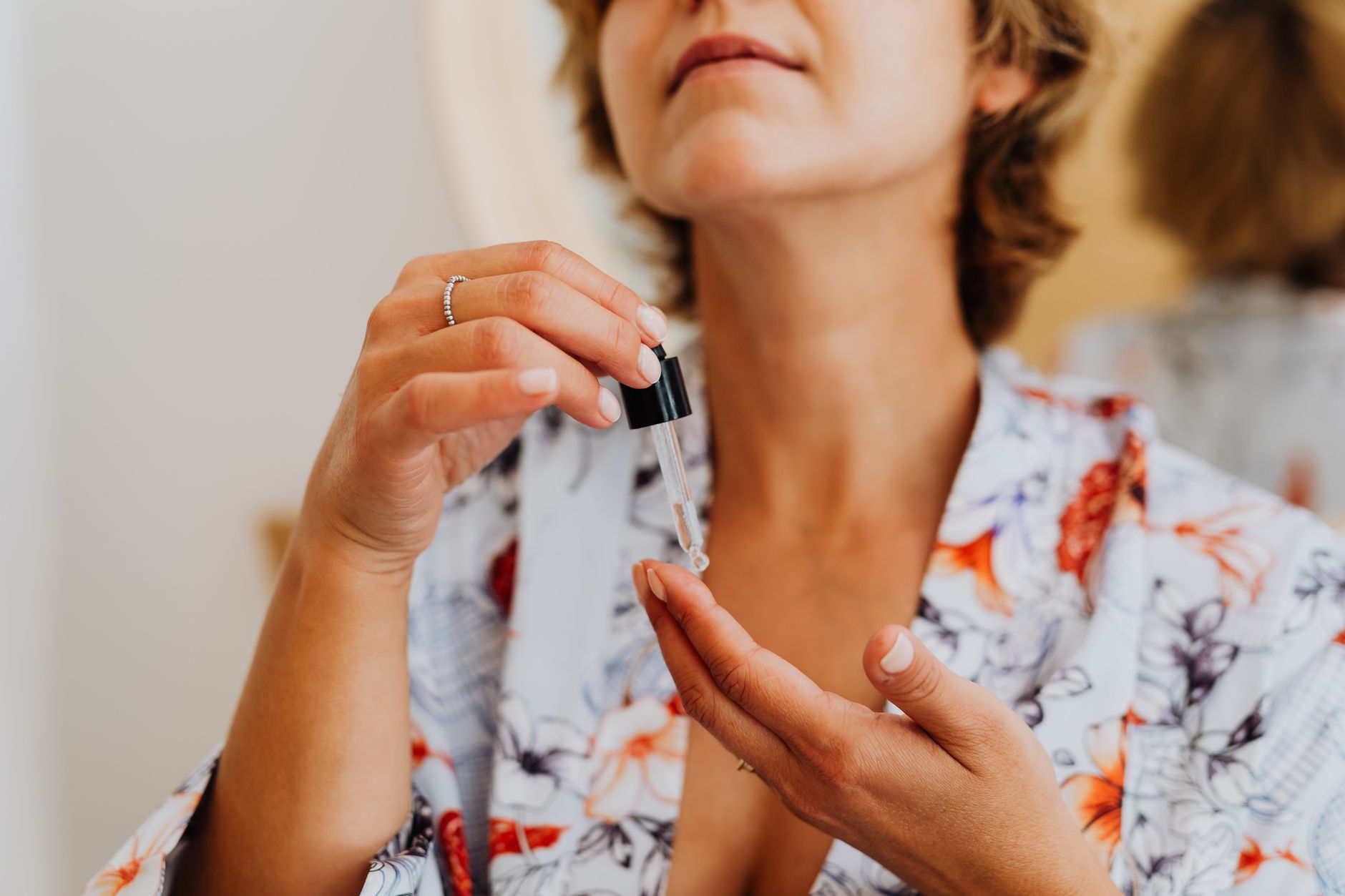
Antiandrogen treatments give adults with persistent acne a non-antibiotic path to clearer skin. A 2026 review of the evidence finds they work best for adult women whose breakouts resist topicals or follow a hormonal pattern. Antiandrogens are drugs that block androgens, male-type hormones that drive oil production in all skin. Lower androgen activity means less sebum, fewer clogged pores, and fewer inflamed lesions over time.
Medical information disclaimer: This article is for general educational purposes only and does not provide medical advice, diagnosis, or treatment. Always consult a physician or other qualified health professional about symptoms, medications, tests, or treatment decisions.
Table of Contents
- How antiandrogens help stubborn breakouts
- Which options guidelines support
- How long treatment takes
- Who needs extra caution
How antiandrogens help stubborn breakouts
Persistent adult female acne often centers on the lower face, jawline, and chin. Flares may worsen before periods and linger after topical treatment stops working. Spironolactone blocks androgen receptors and reduces sebum at 50-100 mg daily.
A Brigham and Women's expert described it at AAD 2026 as useful after topical failure or with signs of excess androgen activity. Combined oral contraceptives work differently, by lowering free androgens and raising sex hormone-binding globulin. That shift reduces both inflammatory pimples and noninflammatory clogged pores with continued use.
Which options guidelines support
The American Academy of Dermatology guideline conditionally recommends spironolactone, combined oral contraceptives, and topical clascoterone for acne, as described in the Academy's 2024 guideline. The same guideline strongly recommends benzoyl peroxide, retinoids, and isotretinoin for severe disease. Clascoterone 1% cream is a topical androgen-receptor inhibitor for patients 12 and older, according to the NIH review summarizing the FDA action. It received FDA approval on Aug.
27, 2020. Unlike systemic spironolactone, it can be used in males and females. Contraceptives with antiandrogenic progestins such as drospirenone significantly reduce lesions with prolonged use, according to the 2024 Cosmetics review. Longer courses matter more than quick starts.
How long treatment takes
The SAFA phase-3 randomized trial in 410 women found spironolactone 50-100 mg improved all acne outcomes significantly by 24 weeks, as reported in the BMJ trial report. Tolerance was similar to placebo in that trial. A 2025 systematic review of randomized placebo-controlled trials reached a similar result.
Oral spironolactone, most often 50 mg per day, was effective and safe versus placebo for women with acne vulgaris. Expect 3-6 months for full effect and continued maintenance to hold gains. That timeline makes antiandrogens an alternative to repeated courses of oral antibiotics.
Who needs extra caution
Spironolactone can cause increased urination, irregular periods, breast tenderness, and high potassium. Pregnancy requires special care because of feminization risk to a male fetus.
Use contraception during treatment when pregnancy is possible. Clinicians often check baseline potassium and kidney function, especially in women over 45.
- Tell your clinician about kidney disease, high potassium, or blood pressure drugs
- Report very irregular bleeding, breast pain, dizziness, or muscle weakness
- Review all contraceptive choices if you smoke, have migraines with aura, or have clot risk
- Ask whether a topical antiandrogen fits better if systemic hormones pose concerns
You Might Also Like
- Limited Topical Spironolactone Evidence in the 2026 Review: What the Findings Mean for Adults With Persistent Acne
- Oral Doxycycline for Acne in a 2026 Systematic Review: What the Findings Mean for Adults With Persistent Acne
- Low-Dose Isotretinoin Side Effects in the 2026 Fish Oil Trial: What the Findings Mean for Adults With Persistent Acne