
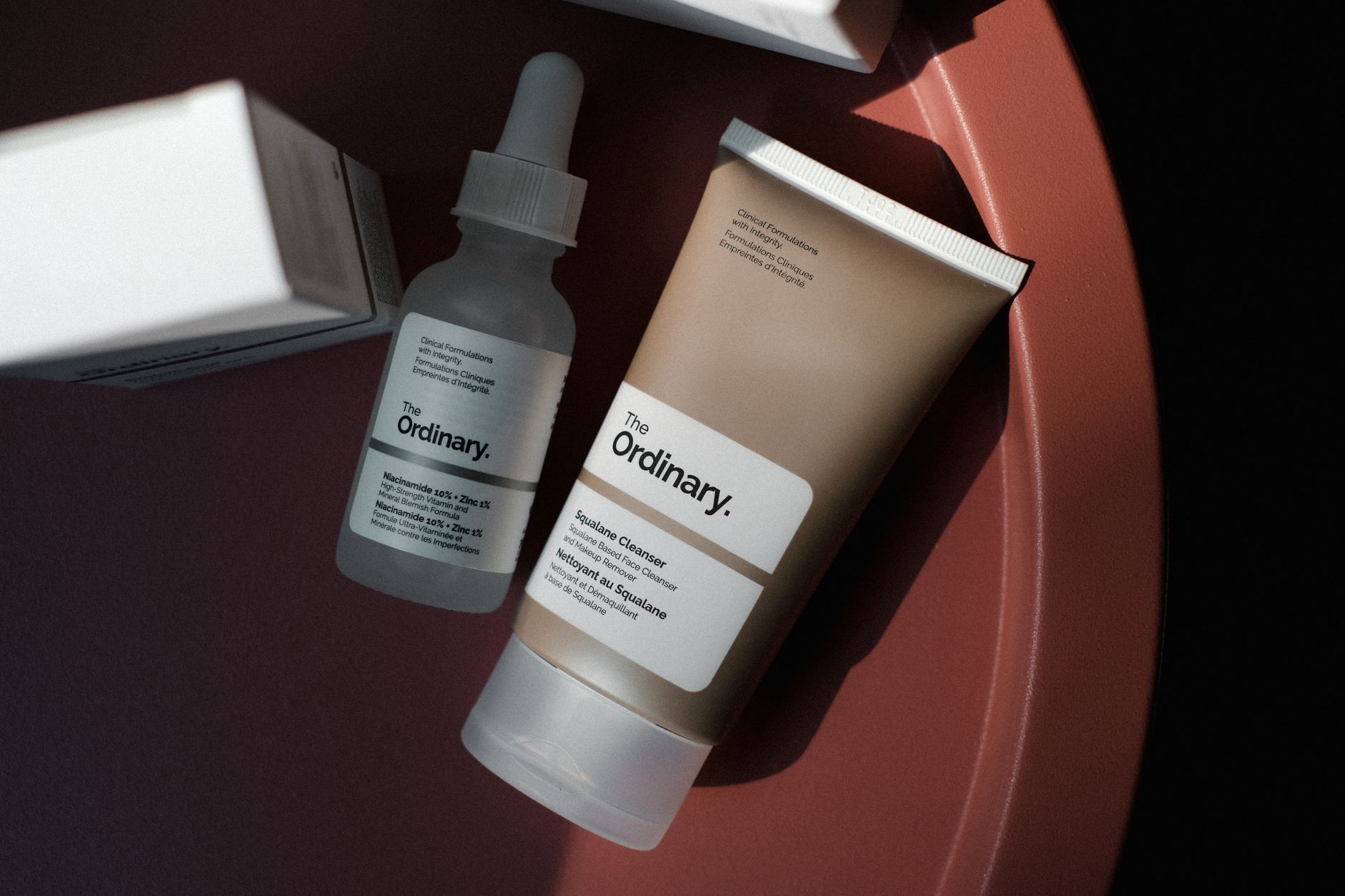
Retinol is better for clearing forehead blackheads, while niacinamide is better for controlling oil and calming skin. Blackheads are open comedones, plugs of sebum and dead skin that stay open to air and turn dark as they oxidize. According to Encyclopaedia Britannica's blackhead overview, the dark color is oxidized plug material, not trapped dirt. That distinction matters because scrubbing harder will not remove them, but ingredients that unclog pores will.
Medical information disclaimer: This article is for general educational purposes only and does not provide medical advice, diagnosis, or treatment. Always consult a physician or other qualified health professional about symptoms, medications, tests, or treatment decisions.
Table of Contents
- Why blackheads favor the forehead
- Why retinol clears plugs faster
- What niacinamide adds
- How do you use them together?
Why blackheads favor the forehead
The forehead sits in the oily T-zone with dense oil glands. Excess sebum there mixes with dead skin and readily clogs follicles, especially in oily skin.
Shiny foreheads by midday, enlarged-looking pores, and rough plugged bumps all point to that oil buildup. Consistent oil control plus pore-clearing treatment works better than squeezing or harsh exfoliation.
Why retinol clears plugs faster
Retinol speeds shedding of dead skin cells so they do not collect and stick together inside follicles. That action directly targets comedonal plugs, including blackheads and whiteheads.
The American Academy of Dermatology's 2024 acne guideline strongly recommends topical retinoids to unclog pores and reduce inflammation, as described in the Academy's updated acne guideline summary. For stubborn forehead blackheads, a retinoid is usually the main treatment, with other ingredients playing support roles.
What niacinamide adds
Niacinamide helps by lowering oil output and supporting clearer, less inflamed skin. In a Japanese adult trial, topical 2% niacinamide lowered facial sebum excretion after 2 and 4 weeks, according to the 2006 sebum study in the Journal of Cosmetic and Laser Therapy.
Less surface oil means fewer new plugs forming across the forehead. People with oily, shiny foreheads, makeup that slides off early, or skin that cannot yet tolerate nightly retinoid use may notice the most visible benefit.
How do you use them together?
Use niacinamide to make retinol more tolerable, not to replace it. Retinol commonly causes redness, dryness, and peeling, and using niacinamide alongside it helps protect the barrier, according to WebMD's review of the pairing.
- Apply niacinamide moisturizer to a clean, dry forehead first.
- Add a pea-sized retinoid layer over the full forehead, not only on spots.
- Start a few nights per week, then increase as tolerated.
- Stop picking or squeezing, which can inflame follicles and prolong marks.