
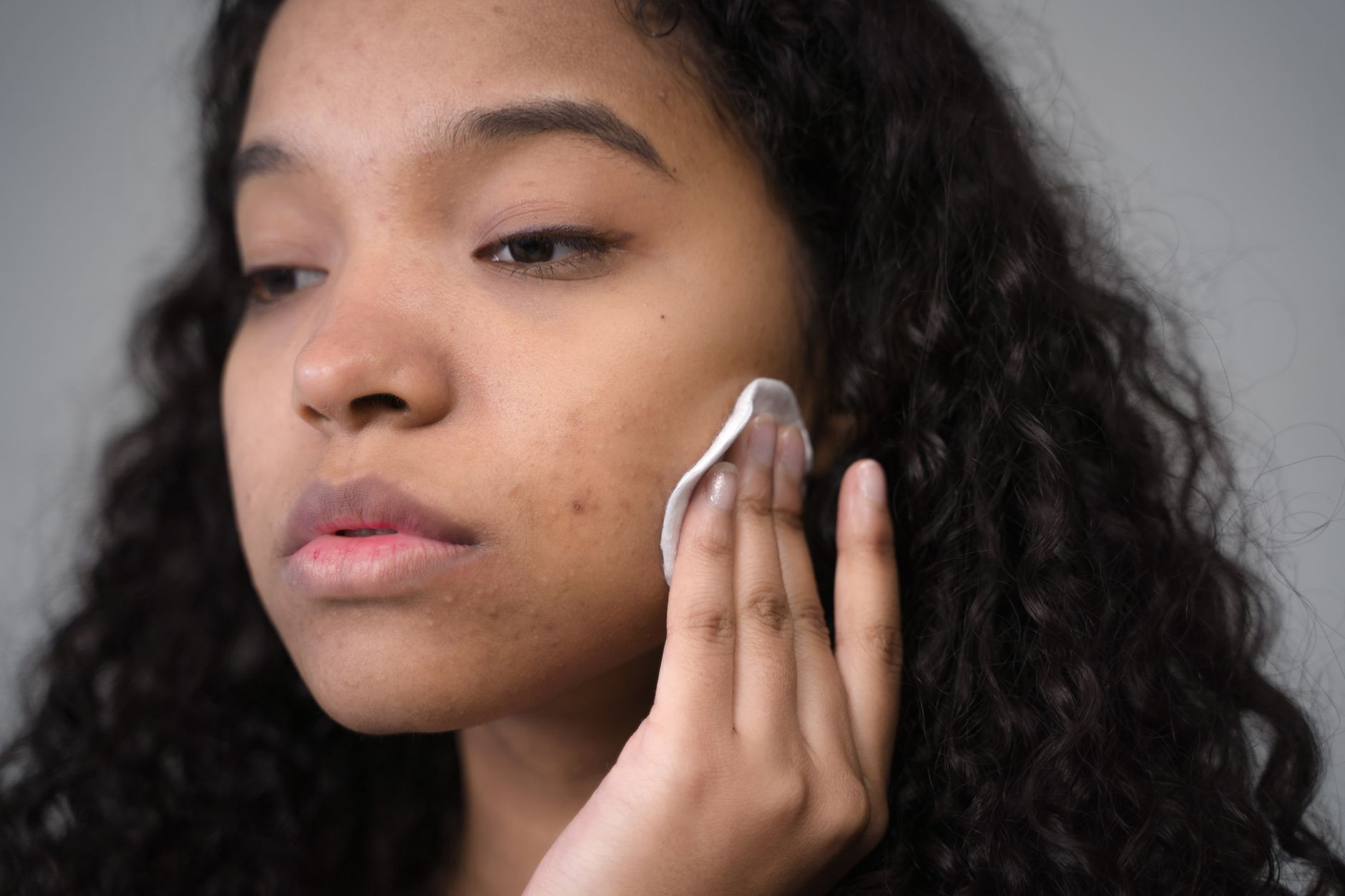
To verify pimples and acne claims in 2026, match the product to FDA drug records, current dermatology guidance, and human trial evidence. Ignore front-label promises and check the Drug Facts panel, active ingredients, and proof behind before-and-after photos. The OTC monograph system is FDA's rulebook for nonprescription drugs sold without individual approval. Only listed ingredients at listed strengths can be sold for acne, and treatment claims make a product a drug.
Medical information disclaimer: This article is for general educational purposes only and does not provide medical advice, diagnosis, or treatment. Always consult a physician or other qualified health professional about symptoms, medications, tests, or treatment decisions.
Official resources:
- Read the official notice from FDA — Use this primary source to verify the official announcement.
- Read the official guidance from FDA — Use this primary source to verify the official guidance.
Table of Contents
- Which ingredients can OTC acne products contain?
- Is it a cosmetic or a drug?
- How can you check a product in one minute?
- What do dermatologists and ad rules expect?
- Which red flags and safety issues matter most?
Which ingredients can OTC acne products contain?
FDA permits only ingredients found generally recognized as safe and effective for OTC acne. Those include benzoyl peroxide 2.5-10%, salicylic acid 0.5-2%, sulfur 3-10%, resorcinol, plus OTC adapalene 0.1% gel approved in 2016, as described in the FDA acne labeling document.
If the active ingredient is not on that list, the acne claim does not fit the monograph path. Plant extracts, vitamins, and proprietary blends may cleanse or moisturize, but they are not OTC acne drugs. Check strength as well as name, since too little or too much falls outside the allowed range.
Is it a cosmetic or a drug?
A cosmetic can claim to cleanse, beautify, or improve appearance. Once it claims to treat, prevent, or mitigate acne or rosacea, FDA treats it as a drug that needs drug review.
That distinction matters for your check. A cleanser with salicylic acid and a Drug Facts panel is speaking as a drug. A cosmetic mask with soft-skin language and no Drug Facts panel is not offering proven acne treatment.
How can you check a product in one minute?
Start with the back label, not the front. A legitimate OTC acne drug carries a Drug Facts panel with active ingredients, uses, and directions.
If you cannot find Drug Facts or a DailyMed entry, treat the acne promise as marketing. Keep the package photo or listing URL so you can compare it later.
- Find Drug Facts and read Active ingredient and Purpose
- Match ingredient and percent to the FDA monograph list
- Search the product on DailyMed and look for HUMAN OTC DRUG LABEL and monograph status, rather than trusting ads alone, as shown by National Library of Medicine records in this DailyMed drug listing example
What do dermatologists and ad rules expect?
The American Academy of Dermatology's updated 2024 acne guidelines strongly recommend topical benzoyl peroxide, retinoids, antibiotics and combinations, oral doxycycline, and oral isotretinoin for severe or scarring acne. Combination therapy is common because different drugs target clogged pores, bacteria, inflammation, and excess oil. For ads, the Federal Trade Commission's December 2022 Health Products Compliance Guidance requires competent and reliable scientific evidence for health claims.
As summarized by Kelley Drye, that generally means high-quality randomized controlled human trials, since animal and cell studies alone do not prove human benefit, detailed in the FTC guidance summary. Use that standard on testimonials and viral routines. Ask whether people like you were studied, how long treatment lasted, what improved, and what side effects occurred.
Which red flags and safety issues matter most?
Promises of overnight cures deserve skepticism. Toothpaste or DIY remedies, claims that one food or wash alone causes or cures acne, and hygiene-shaming ignore hormones, genetics, and sebum. Dermatologists warn toothpaste irritates skin.
Benzene is a separate, narrow issue. After a 2024 petition warned benzene could form in benzoyl peroxide products, FDA testing found more than 90% had undetectable or extremely low benzene, with only a limited number of products voluntarily recalled. Contamination affects few lots, not all users. Continue prescribed topicals after oral antibiotics when directed, avoid squeezing deep pimples that risk icepick scars, and see a board-certified dermatologist if OTC products fail or scarring or distress occurs.