
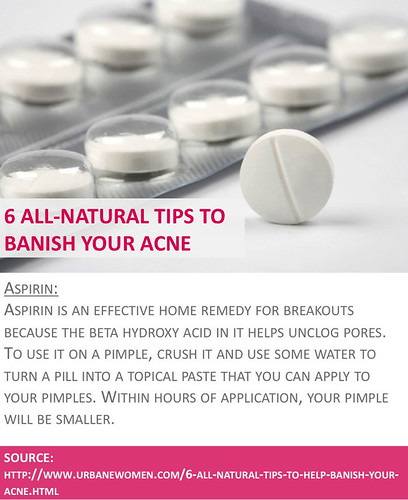
This October 2026 FAQ gives source-checked answers to common questions about pimples and acne. Acne is a condition where hair, oil, and dead skin block pores and trigger inflammation, pimples, and deeper lumps. It most often starts around puberty but can continue in adults. The answers below explain causes, treatment options, daily care, and realistic timelines.
Medical information disclaimer: This article is for general educational purposes only and does not provide medical advice, diagnosis, or treatment. Always consult a physician or other qualified health professional about symptoms, medications, tests, or treatment decisions.
Table of Contents
- What clogs pores and forms pimples?
- Who tends to get acne?
- Which prescription treatments do guidelines favor?
- When is isotretinoin used and why is it tightly controlled?
- What daily care helps control breakouts?
What clogs pores and forms pimples?
Sebum oil, dead skin cells, and hair stick together inside pores. Normal skin bacteria then grow in the blockage and cause inflammation.
The follicle wall can rupture and form different lesions. These include whiteheads, blackheads, papules, pustules, nodules, and cysts, according to the National Institute of Arthritis and Musculoskeletal and Skin Diseases.
Who tends to get acne?
Teenagers around puberty get acne most often. Hormonal change, family history, oily skin products, and some medicines influence risk.
Many people experience acne at some point. Adult persistence is common and does not mean poor hygiene.
Which prescription treatments do guidelines favor?
Treatment aims to heal current lesions, stop new lesions, prevent scars, and reduce embarrassment. Medicines limit abnormal cell clumping, excess sebum, bacteria, and inflammation, either on the skin or by mouth.
The American Academy of Dermatology strongly recommends topical benzoyl peroxide, retinoids, and antibiotics in fixed combinations, plus oral doxycycline and oral isotretinoin for severe or scarring disease, as summarized in the AAD update summary. The same Academy gives only conditional support to topical clascoterone, salicylic and azelaic acids, oral minocycline or sarecycline, and combined oral contraceptives, partly because high cost can limit access to newer drugs.
When is isotretinoin used and why is it tightly controlled?
Doctors reserve oral isotretinoin for severe disease that resists standard care. The FDA indication covers nonpregnant patients age 12 and older with multiple large inflammatory nodules unresponsive to conventional therapy including systemic antibiotics, as stated in the FDA prescribing information.
Isotretinoin can cause severe, life-threatening birth defects and embryo-fetal harm. Patients, prescribers, and pharmacies must therefore register in the FDA iPLEDGE safety program with pregnancy testing and monitoring, described in the FDA iPLEDGE prescriber guide.
What daily care helps control breakouts?
Wash affected skin at most twice daily with mild cleanser and lukewarm water. Avoid oil-based products, remove makeup every night, and leave spots alone. Squeezing spots or cleaning out blackheads worsens lesions and can cause permanent scars.
Practical daily steps include: Acne cannot be cured, but it can be controlled with early, continuous treatment. Expect six to eight weeks before clear improvement, with early irritation possible, according to the NHS Dorset treatment pathway. Start care early to lower the risk of physical and psychological scarring.
- use mild, non-oily cleanser and moisturizer when needed
- keep hands, phones, and tight headgear off affected skin
- remove makeup before sleep and avoid picking or squeezing