
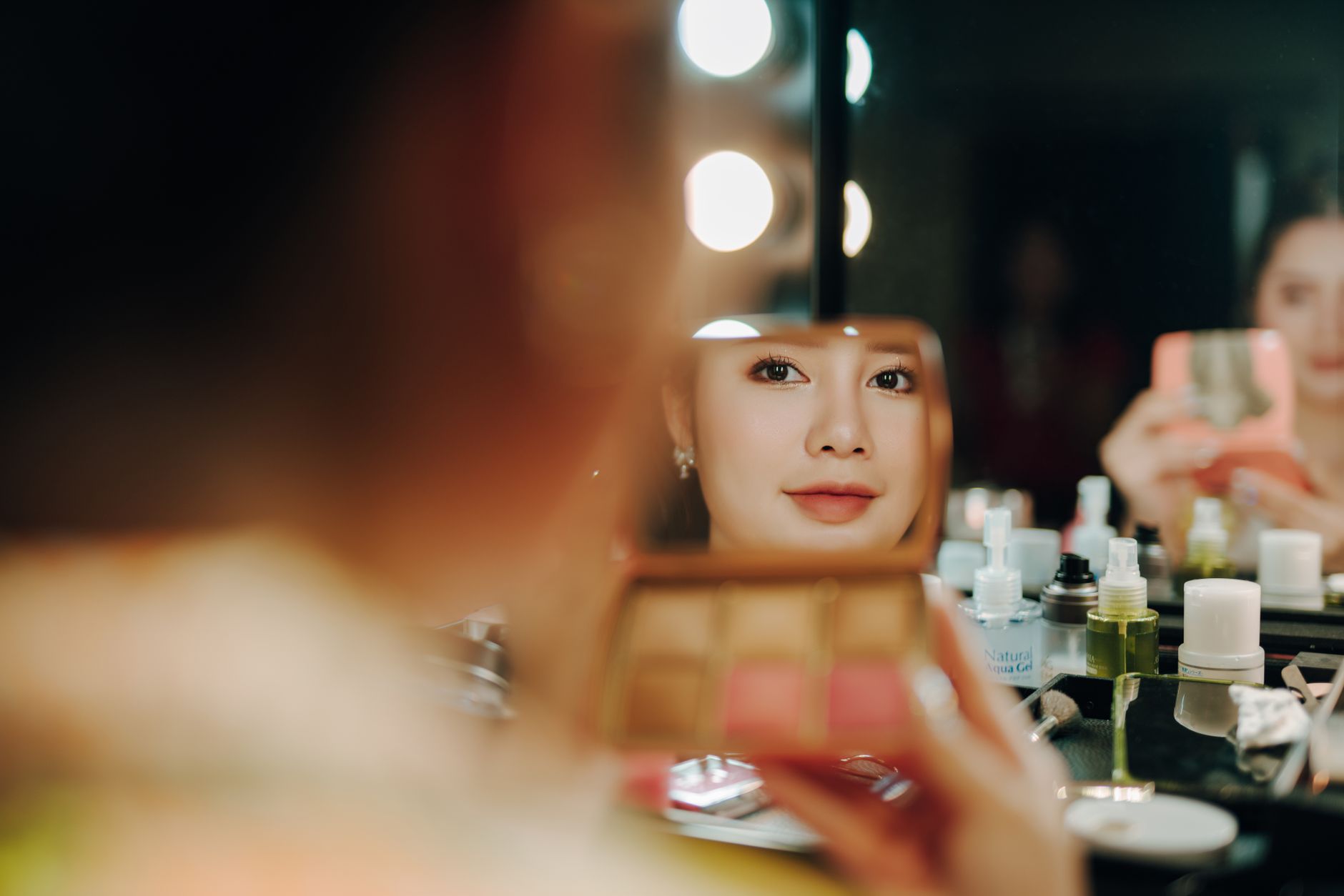
Celebrity makeup artists cover active acne without picking it by calming the skin, sealing the lesion and camouflaging color in sheer layers. They moisturize, protect raised spots with a thin barrier, then stipple concealer instead of rubbing foundation. Active acne means inflamed pimples that are red, raised and sometimes fluid-filled. A hydrocolloid patch is a thin absorbent sticker that pulls fluid, flattens swelling and keeps makeup off the open surface.
Medical information disclaimer: This article is for general educational purposes only and does not provide medical advice, diagnosis, or treatment. Always consult a physician or other qualified health professional about symptoms, medications, tests, or treatment decisions.
Table of Contents
- Why picking makes coverage harder
- What base prevents caking?
- How does a thin patch create a smooth surface?
- How do artists cancel redness without a mask?
- What are the limits after filming?
Why picking makes coverage harder
Dermatologists advise people with active pimples not to pick, pop or touch them, as explained by Cleveland Clinic in why popping a pimple is risky. Squeezing pushes bacteria and pus deeper. It risks infection, spreads breakouts, delays healing and increases scarring.
A picked spot stays wet, swollen and uneven. Moisturizer and concealer catch on torn edges and flake. Intact skin gives patches and sheer layers something smooth to grip.
What base prevents caking?
The American Academy of Dermatology says acne patients can wear makeup if they choose oil-free, noncomedogenic products, per makeup tips for acne-prone skin. Noncomedogenic means made not to clog pores. Patients should follow a routine matched to their skin type.
Artists start on clean, moisturized skin with hydrating serum or primer. Makeup artist Haley says moisturizer soothes dry flakes around acne. It also keeps concealer from catching, caking or looking mask-like.
How does a thin patch create a smooth surface?
Artists place an ultra-thin hydrocolloid pimple patch or liquid blemish shield over a weeping or raised lesion. Product guidance from Garnier and Hero Cosmetics says the barrier absorbs fluid and flattens swelling.
It also blocks dirt and bacteria and lets makeup sit on top without picking. The patch creates a dry, smooth canvas over wet texture. The artist never needs to press pigment into the breakout itself.
- Cleanse lightly, moisturize, then let skin settle.
- Press the patch over the raised spot and seal the edges.
- Place makeup only on the patch surface, not inside the lesion.
How do artists cancel redness without a mask?
Artists neutralize redness with a very thin layer of green color corrector. Celebrity makeup artist Lauren explains that green sits opposite red on the color wheel. They cover it with exact-match concealer and build in sheer layers because thick corrector shows through. They stipple or pat concealer onto the blemish with a small brush or fingertip, makeup artist Sausser tells SheFinds in how to pat concealer over zits.
They let it sit a few minutes, then press lightweight foundation around the spot. They do not rub because rubbing moves coverage and emphasizes raised texture. TV and film artists favor matte, exact-match concealer plus green correction over heavy all-over foundation. Makeup artists cited by The List say a matte finish reduces shine. Less shine means less emphasis on bump texture and discoloration on camera.
What are the limits after filming?
Makeup reduces redness and discoloration but cannot flatten a raised pimple. Dermatologists cited by WebMD warn that thick layers accentuate zits, in why heavy coverage backfires on bumps.
They suggest aiming for 70 to 80 percent camouflage rather than total cover. Remove makeup nightly and treat lesions separately. Practical options include over-the-counter salicylic acid or benzoyl peroxide, or dermatologist care for persistent or painful acne.