
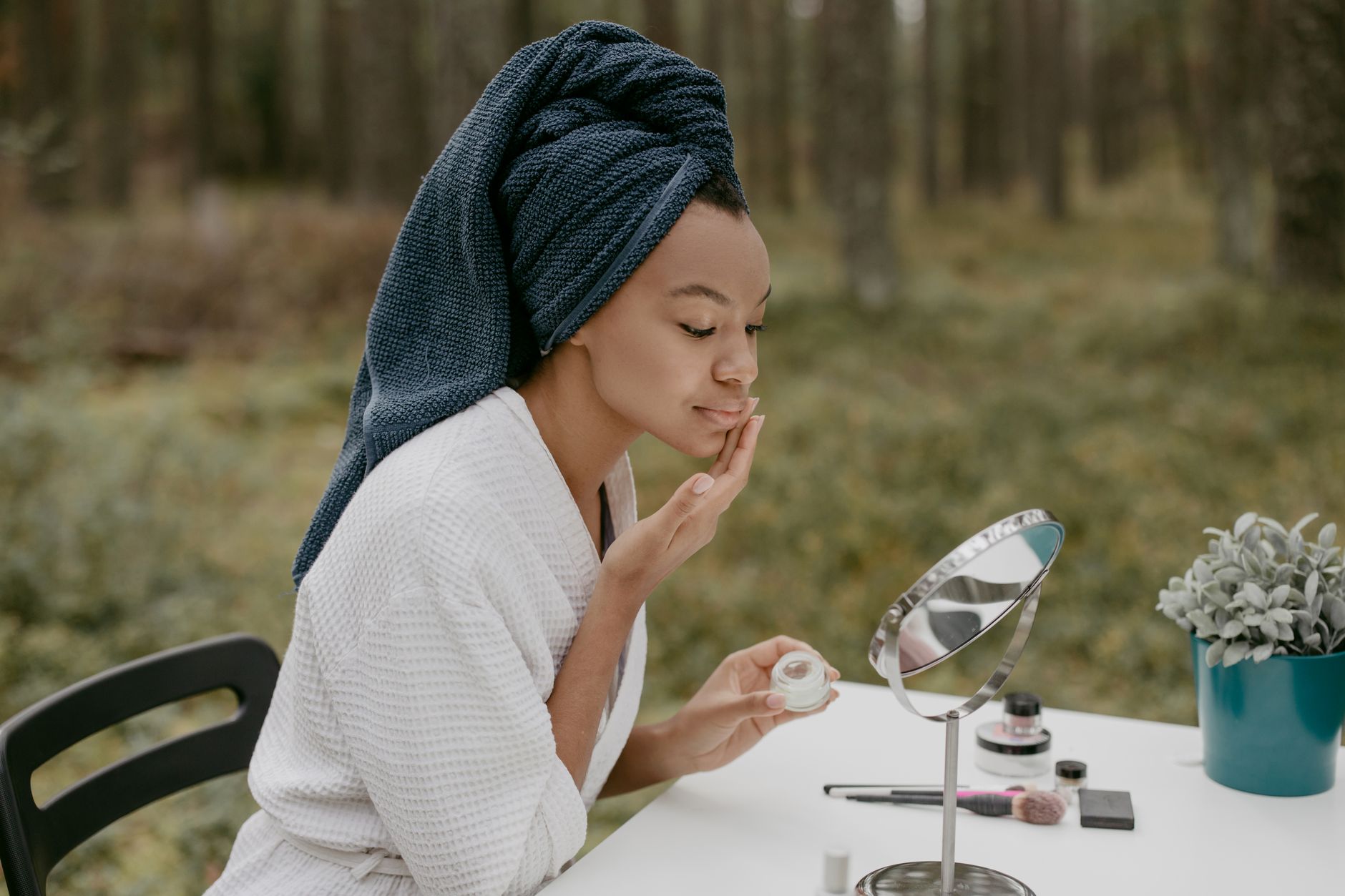
No, skipping makeup alone does not treat acne, though it can reduce pore clogging. Alicia Keys's #NoMakeup journey — her public choice to appear barefaced — shows makeup is optional for healthy skin, not a cure for breakouts. Keys began the journey after a barefaced shoot for her album Here and explained it in her May 2016 Lenny Letter essay Time to Uncover, then attended the 2016 MTV Video Music Awards without makeup, according to Page Six's 2020 report. She later resumed wearing makeup when she chooses and launched Keys Soulcare in 2020 as a skincare and wellness brand focused on healthy skin.
Medical information disclaimer: This article is for general educational purposes only and does not provide medical advice, diagnosis, or treatment. Always consult a physician or other qualified health professional about symptoms, medications, tests, or treatment decisions.
Table of Contents
- What did Keys actually do?
- Can you keep wearing makeup with acne?
- How do you lower breakout risk from makeup?
- What actually clears acne?
What did Keys actually do?
Keys did not announce a medical treatment. She stepped back from daily makeup use and favored bare skin in public appearances for a period.
That pause later became flexible. She wears makeup for selected events and emphasizes skincare over permanent abstinence. For readers with acne, the useful point is choice: going barefaced is allowed, not required.
Can you keep wearing makeup with acne?
Yes. Dermatologists from the American Academy of Dermatology say patients with acne may wear makeup if they choose products that do not cause acne and follow a routine suited to their skin type, according to the Academy's acne-prone skin guidance.
Non-comedogenic means the product is formulated not to clog pores. Oil-free formulas lower the chance that foundation or concealer traps oil in follicles. The decision turns on product type and removal habits, not on makeup itself.
How do you lower breakout risk from makeup?
Remove makeup every night. Use an oil-free remover followed by a gentle cleanser, skip scrubbing, and wash brushes regularly to keep oil and residue out of pores. Board-certified dermatologist Dr.
Ellen Marmur says sleeping in makeup clogs pores and raises acne risk, especially for acne-prone skin. That makes nightly removal more important than total avoidance. The Cleveland Clinic also advises patients they do not have to stop using makeup but should use non-comedogenic products and remove makeup each evening, according to its guidance on acne papules.
- Pick oil-free and non-comedogenic foundation, concealer, and sunscreen
- Remove makeup nightly, then cleanse gently without scrubbing
- Clean brushes and applicators and avoid sharing them
- Start acne care promptly rather than waiting for a makeup break to work
What actually clears acne?
Proven treatment targets causes beyond occlusion. Acne also involves hormones, excess oil, clogged follicles, and Cutibacterium acnes bacteria.
A makeup break may reduce occlusion but cannot replace treatment. The Academy's 2024 acne guidelines strongly recommend benzoyl peroxide, topical retinoids such as adapalene and tretinoin, antibiotics, and isotretinoin for severe acne, with no listing of makeup-skipping alone as treatment, according to the 2024 guidance summary. See a clinician if breakouts persist, spread, scar, or do not respond to store products.