
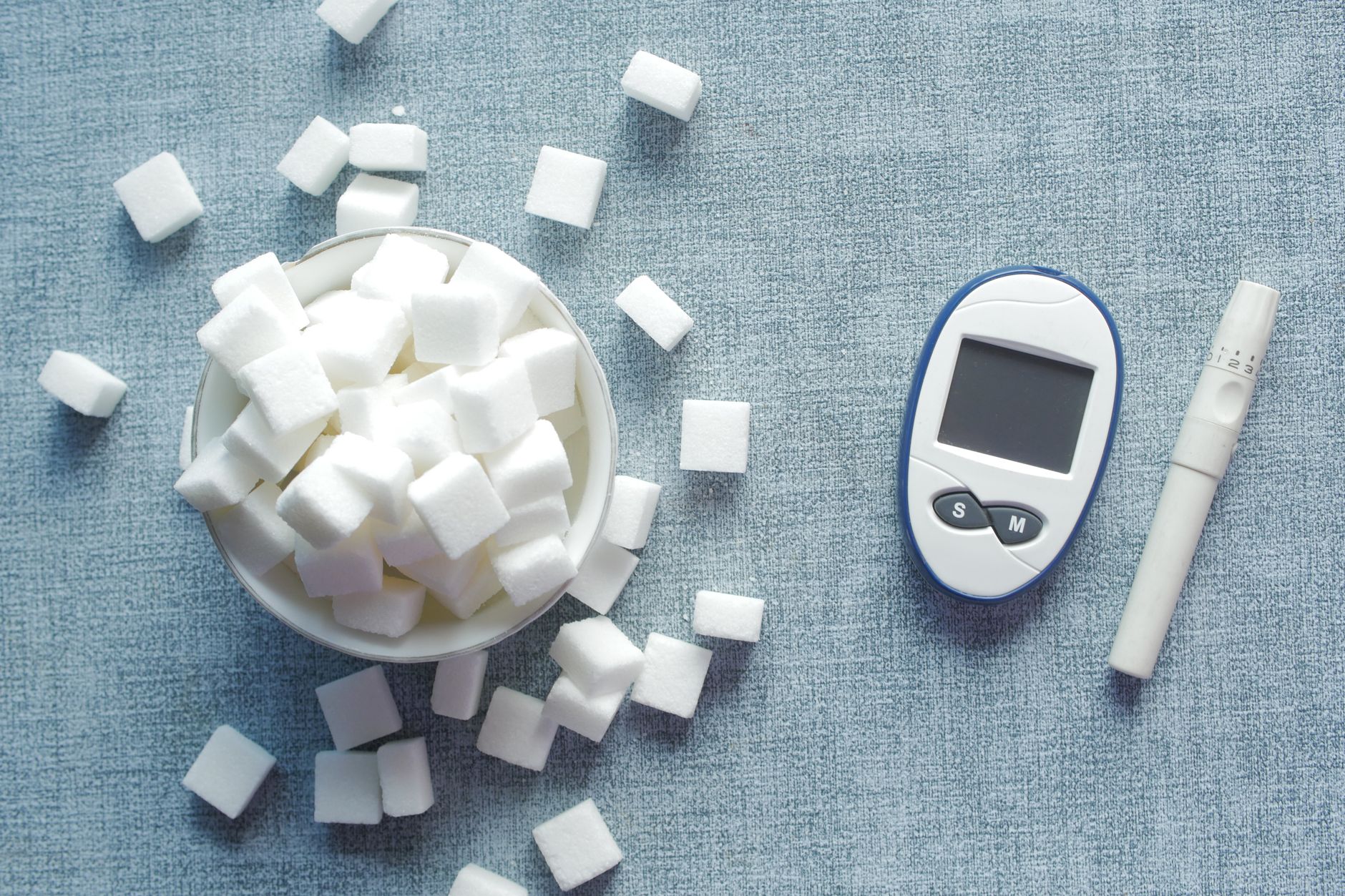
A high-glycemic-load diet — eating that spikes blood sugar fast — is linked to more acne, but proof in adults stays mixed. For persistent acne, meaning teen acne that continues into adulthood, researchers still need larger adult trials before diet can drive care. Current trials are small and short, and guidelines name no food prescription. Diet works best as a low-risk add-on to proven treatment.
Medical information disclaimer: This article is for general educational purposes only and does not provide medical advice, diagnosis, or treatment. Always consult a physician or other qualified health professional about symptoms, medications, tests, or treatment decisions.
Table of Contents
- How sugary eating may drive breakouts
- What trials and population studies show
- Why adult cases need separate study
- How to use food as an add-on
How sugary eating may drive breakouts
National Institutes of Health researchers describe a chain from high-glycemic-load meals to brief insulin spikes. High insulin raises IGF-1, a growth signal tied to acne, relative to its carrier IGFBP-3. That shift lifts free androgens, oil-driving hormones, and boosts sebum, the skin oil behind clogs.
Journal of the Academy of Nutrition and Dietetics researchers tested this link in 66 adults with moderate-to-severe acne. After two weeks, the low-glycemic-index/load group lowered IGF-1 versus the usual-diet group. IGF-1 is an established factor in acne development.
What trials and population studies show
American Journal of Clinical Nutrition trialists ran a 12-week randomized trial in 43 males ages 15-25. The low-glycemic-load group cut lesions by 23.5 versus 12.0 on control and improved insulin sensitivity (p=0.03) 12-week trial report. Results were short-term and in young males only. JAMA Dermatology authors tracked 24,452 French NutriNet-Santé adults and tied current adult acne to diet.
Fatty/sugary products carried adjusted odds of 1.54 and sugary drinks 1.18 population analysis. This was observation, not proof food caused breakouts. The 2024 American Academy of Dermatology guidelines made no specific food recommendation, as summarized by Medscape. Three small trials favored low-glycemic-load eating, but a fourth nearly twice as large showed no better control guideline summary. A 2025 Medicinus meta-analysis also found no pooled link for glycemic load, dairy, or fatty acids and called evidence inconsistent.
Why adult cases need separate study
Springer Medicine summaries of community work put adult persistent acne at 14% at ages 26-44 in one UK study. About 70% of adult cases were persistent, not late-onset, and women carry more of this burden community data summary.
Most diet trials enrolled teens or young males for weeks, not women with years-long adult acne. Hormone shifts, cosmetics, stress, and long treatment histories can change response. Researchers still need longer trials in adult women that track lesions, hormones, and real eating.
How to use food as an add-on
Dermatology Advisor editors, echoing a JAMA Dermatology editorial, advise treating diet as a low-risk adjunct rather than primary therapy. Effects look modest, while a lower-glycemic pattern brings general health gains without strict restriction.
Try small swaps while you keep prescribed care: Review the pattern with your clinician rather than cutting whole groups. Keep using prescribed treatment during the food test. Bring your log to your dermatologist to decide next steps.
- trade sugary drinks for water or unsweetened tea
- choose oats, lentils, and whole fruit over white bread and sweets
- track breakouts and meals for 8-12 weeks
You Might Also Like
- Omega-3 Balance and Acne Questions in the 2026 Diet Review: What Researchers Still Need to Learn for Adults With Persistent Acne
- Diet and Acne Facts and Controversies in the 2026 Review: What Researchers Still Need to Learn for Adults With Persistent Acne
- Topical Clascoterone Evidence Revisited in 2026: A Source-Checked 2026 Briefing for Adults With Persistent Acne