
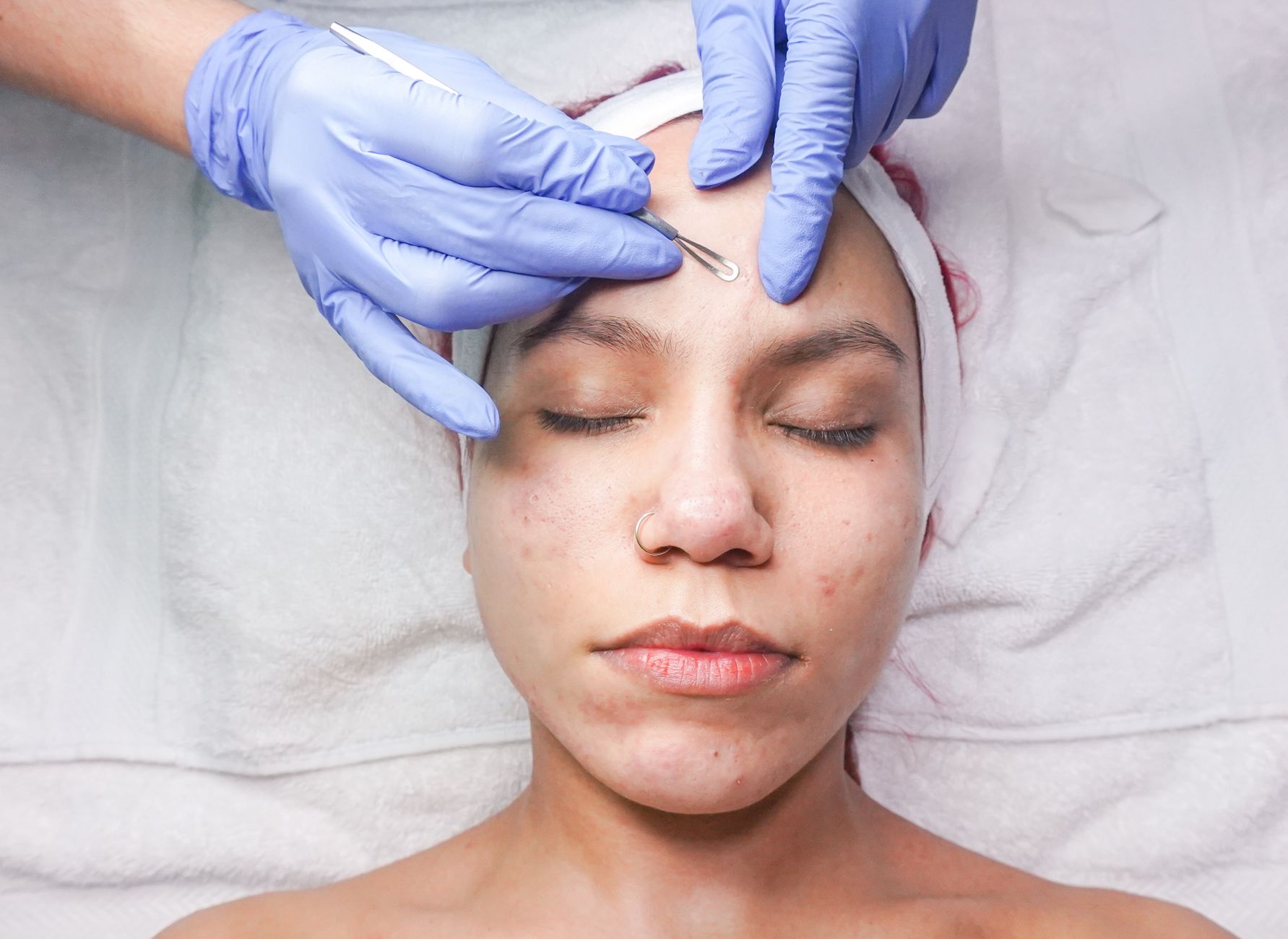
No verified change to acne-extraction guidance occurred in August 2026. Acne extraction—the physical removal of a breakout—remains an adjunctive procedure, not a proven core acne treatment. That distinction matters because extraction may clear selected lesions but does not prevent new ones. Readers should prioritize evidence-based treatment, avoid DIY squeezing, and question unsupported "breakthrough" claims.
Medical information disclaimer: This article is for general educational purposes only and does not provide medical advice, diagnosis, or treatment. Always consult a physician or other qualified health professional about symptoms, medications, tests, or treatment decisions.
Table of Contents
- What actually changed in 2026?
- How strong is the evidence for extraction?
- Why extraction cannot replace acne treatment
- Who should perform an extraction?
- What should readers watch next?
What actually changed in 2026?
The closest relevant guideline change came in April, when NICE removed a former requirement for two clinicians to approve isotretinoin treatment for patients under 18. The updated NICE acne guideline did not change its guidance on extraction. Europe's 2025 EuroGuiDerm update addressed systemic antibiotics, isotretinoin, hormonal therapy, pregnancy considerations, and new topical treatments.
Other parts of its 2016 guidance remained unchanged, and the update did not establish a new extraction standard. For readers, the practical answer is simple: there is no new August rule that makes extraction essential, obsolete, or newly approved. Any service or product promoted on that premise needs stronger evidence.
How strong is the evidence for extraction?
The American Academy of Dermatology's current guideline found insufficient evidence to recommend either for or against acne-lesion or comedone extraction. That means the evidence does not support treating extraction as a standard first-line therapy, according to the AAD guideline published in JAAD. A small randomized split-face study offers limited context.
In 35 people with mild-to-moderate acne, researchers performed extraction and then treated one side with a 595-nm pulsed-dye laser. That side showed less redness and fewer lesions after two and four weeks. The trial tested the laser added after extraction, not extraction by itself. Its small size and short follow-up also prevent it from settling whether routine extraction improves acne over time.
Why extraction cannot replace acne treatment
Extraction removes material from an existing lesion. It does not address the process that produces future breakouts, so temporary clearing should not be confused with acne control.
The AAD strongly recommends benzoyl peroxide, topical retinoids, topical antibiotics, doxycycline, and combination topical therapy. It reserves isotretinoin for severe, scarring, or treatment-resistant acne, as summarized in the AAD's treatment-guideline announcement. A sensible treatment discussion separates two goals:.
- Use an established acne regimen to reduce or prevent lesions.
- Consider extraction only for selected existing breakouts.
- Reassess the core regimen if acne keeps returning, scars, or resists treatment.
Who should perform an extraction?
DIY squeezing can damage skin and increase the risk of infection or scarring. The AAD advises having extraction performed by a trained, board-certified physician, as explained in its acne-treatment guidance. That advice also matters when comparing cosmetic services.
Before agreeing to extraction, ask who will perform it, what training they have, and how they manage infection and scarring risks. Extraction should not become the default response to every bump. If a provider offers repeated procedures without discussing lesion-preventing treatment, the plan addresses visible breakouts without addressing recurrence.
What should readers watch next?
Treat any claimed August 2026 acne "breakthrough" cautiously. The FDA's novel-drug approval list through August 26 contained no new acne indication.
A credible future claim should point to an FDA label, a published trial, or an updated professional guideline. People using benzoyl-peroxide products should also continue checking FDA recall updates. FDA testing of 95 products found elevated benzene in six; the resulting retail recalls did not instruct consumers to return products, while expired products should be discarded.