
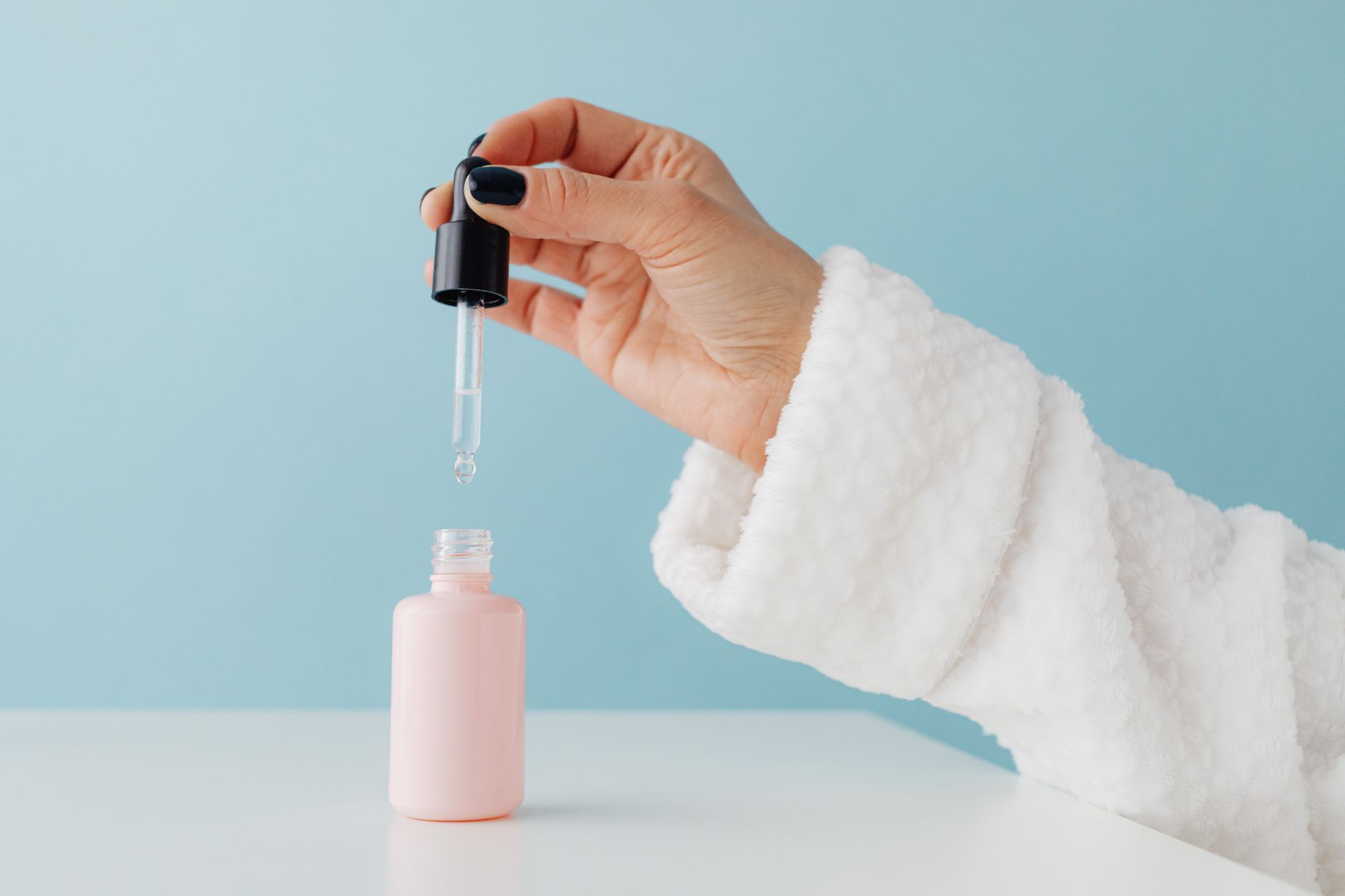
Yes, niacinamide helps with blemishes but does less for existing blackheads. Niacinamide, also called nicotinamide or vitamin B3, lowers excess oil and inflammation that drive mild-to-moderate breakouts. It also supports the skin barrier and fades marks left after pimples heal. That makes it useful for blemish-prone skin over time, not for quick removal of clogged pores.
Medical information disclaimer: This article is for general educational purposes only and does not provide medical advice, diagnosis, or treatment. Always consult a physician or other qualified health professional about symptoms, medications, tests, or treatment decisions.
Table of Contents
- How does it help blemishes?
- What does it do for blackheads and pores?
- How do you use it in a routine?
- Where are the limits?
How does it help blemishes?
Niacinamide works on several causes at once. It reduces sebum production, calms inflammation, and supports barrier function. Those actions help prevent new red pimples and aid recovery. Acne.org reports that this combination also helps fade post-acne discoloration in mild-to-moderate acne in its guide to niacinamide for acne.
Less oil means fewer clogged follicles. A calmer barrier means less irritation during treatment. The oil effect appears within weeks in testing. A 2% formula lowered facial sebum excretion after two to four weeks in 100 Japanese subjects, according to the Journal of Drugs in Dermatology in its review of Draelos findings. A separate split-face test found lower casual sebum in Caucasian subjects.
What does it do for blackheads and pores?
Niacinamide mainly makes pores look smaller by keeping them clear. It limits oil buildup around the pore opening. It does not physically shrink pore structure. This matters for blackheads.
A blackhead is oxidized oil and dead skin lodged in an open pore. Niacinamide can help prevent that buildup, but it cannot dissolve a plug that is already formed. For existing blackheads, L'Oréal Paris advises gentle exfoliation or in-office extraction chosen by a dermatologist in its advice on niacinamide and acne. Think of niacinamide as maintenance. Removal still needs exfoliating acids, retinoids, or manual extraction.
How do you use it in a routine?
Most people use a leave-on serum or moisturizer once or twice daily. Common strengths for acne-prone skin are 2% to 5%. Apply it after cleansing and before heavier creams. It pairs well with other acne treatments.
Options include benzoyl peroxide, salicylic acid, ceramides, or retinoids for oily, sensitive, or acne-prone skin. Introduce one active at a time to watch for dryness. A 12-week split-face trial in adults found 5% niacinamide plus 2.5% benzoyl peroxide reduced lesions and casual sebum, with greater noninflammatory-lesion reduction than benzoyl peroxide alone, according to the Journal of Clinical and Aesthetic Dermatology in its trial report on benzoyl peroxide and niacinamide. That combination approach suits stubborn whiteheads and early clogged pores.
- Cleanse gently, pat skin mostly dry
- Apply a thin niacinamide layer to the full face
- Add treatment only where needed, then moisturize
- Use sunscreen each morning
Where are the limits?
Niacinamide is generally well tolerated and carries no antibiotic-resistance risk. Redness, stinging, or dryness can still occur, especially with strong acids or retinoids. Start with a lower strength if your skin reacts easily.
It is not a replacement for prescription treatment in severe, painful, or scarring acne. It also will not clear blackheads overnight. Give it eight to twelve weeks, then reassess pore appearance, oiliness, and breakout frequency with photos taken in the same light.