
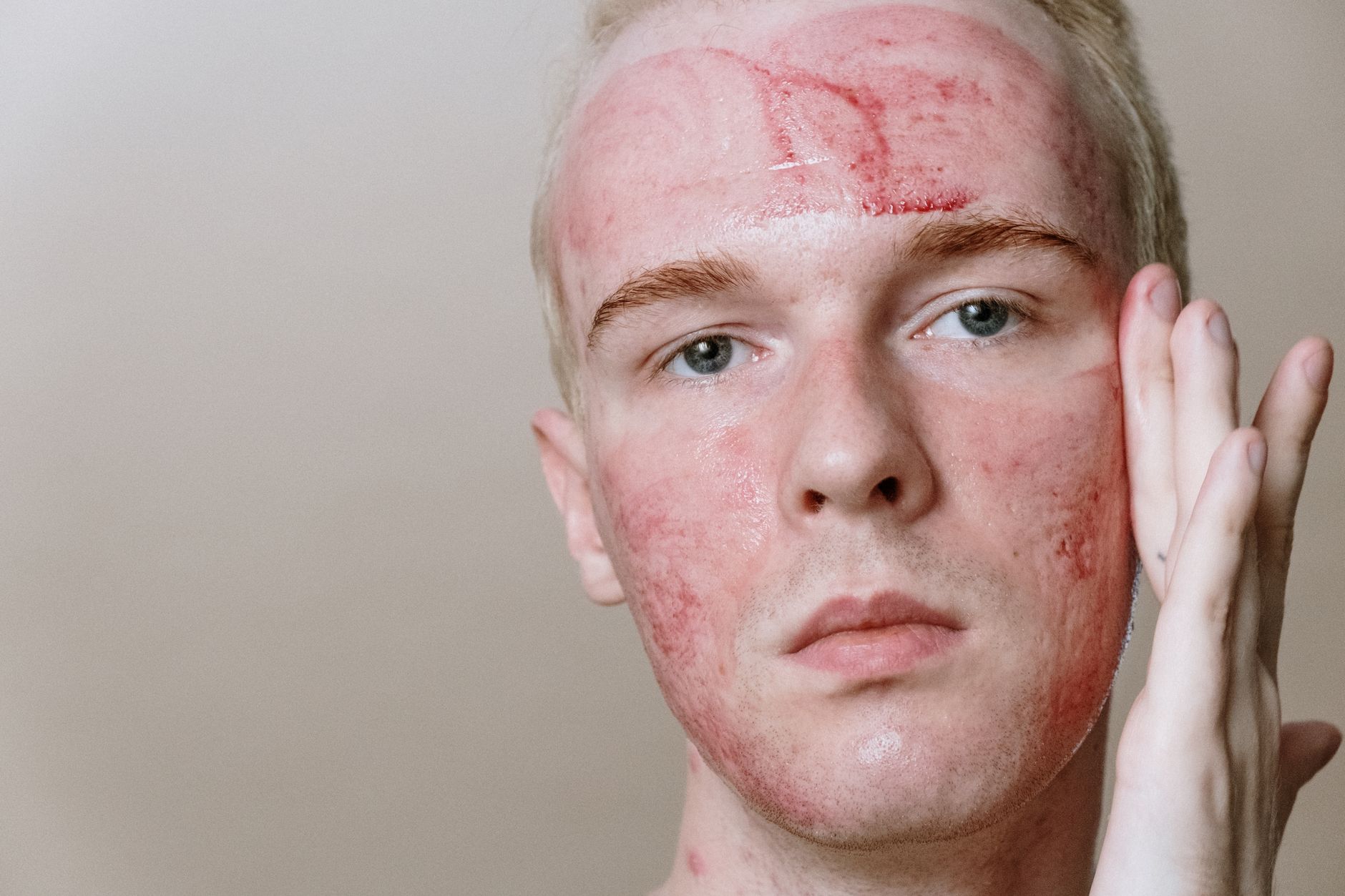
Acne in 2026 still affects teens and many adults to age 44, and evidence favors dermatologist-guided combination care over single products. Acne vulgaris, a clogged and inflamed oil-gland disorder, responds best when treatment matches severity and limits antibiotics.
Dermatology guides that match. Dermatologists identify breakout type and scar risk, then build layered plans. The goal is clearer skin with less scarring, pigmentation change, and distress.
Medical information disclaimer: This article is for general educational purposes only and does not provide medical advice, diagnosis, or treatment. Always consult a physician or other qualified health professional about symptoms, medications, tests, or treatment decisions.
Table of Contents
- Who still gets acne?
- What drives breakouts?
- Which treatments have strongest support?
- What should you do next in 2026?
Who still gets acne?
The NIH/PMC review from March 2024 reports acne vulgaris affects about 85% of people aged 12-24 NIH/PMC review. The same review notes persistence to age 44 on the face and trunk where oil glands are dense.
A PMC systematic review from February 2024 finds post-adolescent acne affects females more often. Severe scarring acne can bring anxiety, depression, low self-esteem, and lower quality of life.
What drives breakouts?
A Drugs review from January 2024 links four processes: excess androgen-driven sebum, follicular hyperkeratinization, Cutibacterium acnes growth, and inflammation. Sebum means skin oil, hyperkeratinization means extra cells clog the pore, and Cutibacterium acnes is a pore-dwelling bacterium.
Extra oil and cells trap bacteria inside the pore. The immune response then creates redness, swelling, and pus. Face, chest, and back break out because those areas hold many oil glands.
Which treatments have strongest support?
American Academy of Dermatology guidelines strongly recommend benzoyl peroxide, retinoids such as adapalene and tretinoin, topical antibiotics, and oral doxycycline in combination AAD guidance via MDedge. Multimodal use matters more than any single product alone. The same American Academy of Dermatology summary strongly recommends oral isotretinoin for severe acne.
It conditionally recommends clascoterone, azelaic acid, salicylic acid, minocycline, sarecycline, and combined oral contraceptives. A key limit is antibiotic resistance. AAD good-practice statements advise short systemic antibiotic courses and always adding benzoyl peroxide to curb resistance.
What should you do next in 2026?
Practical Dermatology's summary of AAD care favors dermatologist-guided multimodal treatment over antibiotics alone. A usual base pairs a retinoid with benzoyl peroxide, then adds hormonal or isotretinoin options by severity while watching mood, scarring, and pigmentation.
Dermatology Times reporting on FDA action notes February 2026 eased iPLEDGE rules for severe recalcitrant nodular acne Dermatology Times FDA update. Some at-home pregnancy tests are now permitted and monthly qualification ended for patients who cannot become pregnant.
- Log breakouts, scars, dark marks, and mood changes.
- Ask about retinoid plus benzoyl peroxide as base treatment.
- Discuss hormonal or isotretinoin options matched to severity.
- Clarify antibiotic length and benzoyl peroxide pairing.