
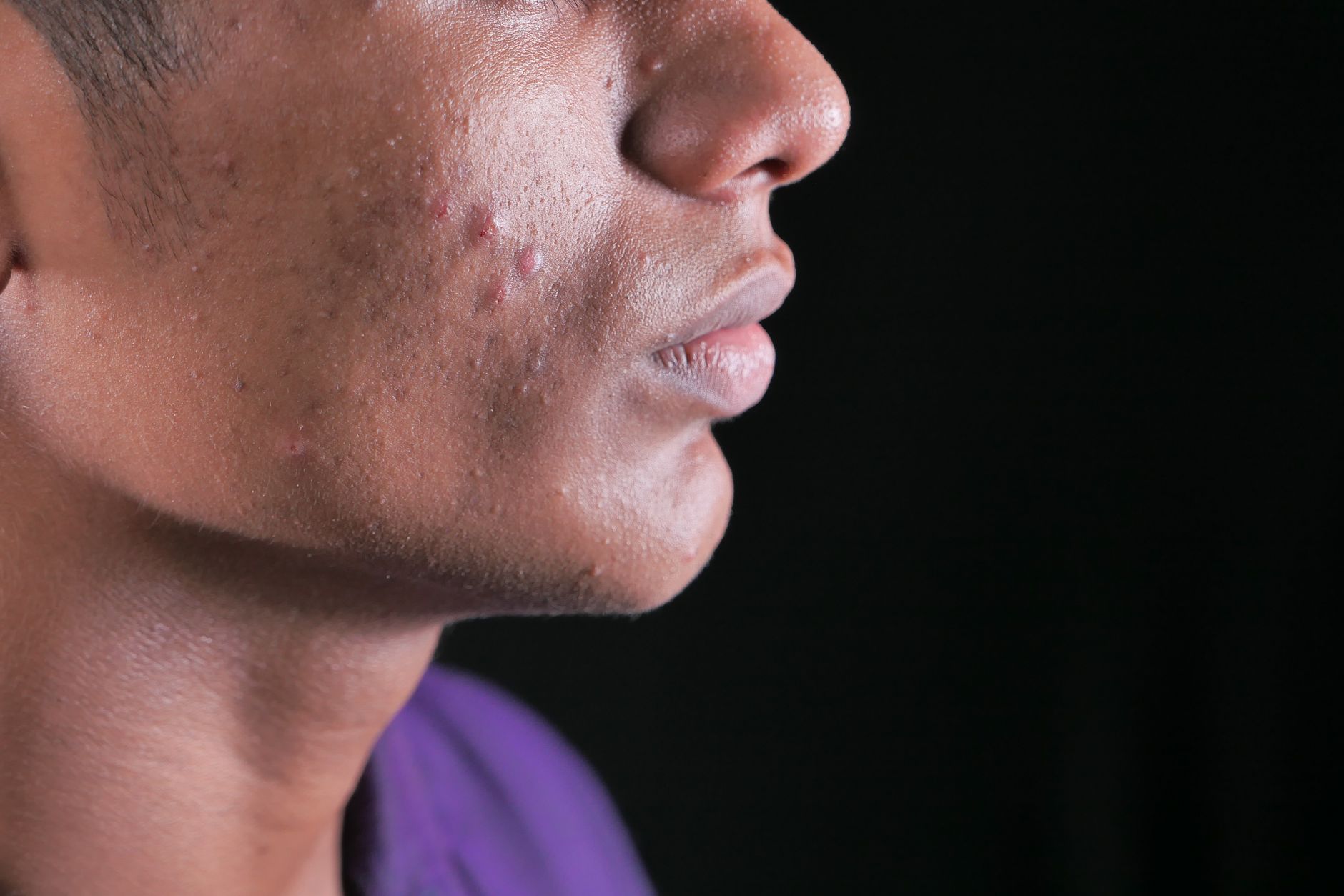
Fungal acne is not true acne but Malassezia folliculitis, inflamed hair follicles overgrown with normal skin yeast. It mainly affects adolescents and young adults with oily skin, and it needs antifungal care rather than standard acne antibiotics. Cleveland Clinic explains in its fungal acne overview that yeast overgrowth causes uniform, itchy bumps without true blackheads. This article shows how to spot that pattern, who gets it, and what steps bring relief.
Medical information disclaimer: This article is for general educational purposes only and does not provide medical advice, diagnosis, or treatment. Always consult a physician or other qualified health professional about symptoms, medications, tests, or treatment decisions.
Table of Contents
- How is it different from regular acne?
- Who gets it and where?
- What triggers yeast overgrowth?
- How do doctors confirm it and clear it?
How is it different from regular acne?
A September 2025 JoF review notes in its Malassezia folliculitis review that fungal bumps look uniform and feel itchy. Acne vulgaris mixes blackheads, whiteheads, papules, and cysts and usually does not itch. Uniform size and itch point toward yeast.
Mixed clogged pores and deep cysts point toward acne. Both conditions often occur together. A mixed or stubborn pattern needs in-person assessment, not a stronger over-the-counter acne product.
- uniform, itchy red papules and pustules without blackheads or whiteheads
- mixed comedones, papules, and cysts that vary in size and usually do not itch
Who gets it and where?
A Journal of Cosmetics, Dermatological Sciences and Applications study of 113 truncal cases reports in its truncal cases summary that teens and young adults with oily skin are most affected. Breakouts favor the chest, back, upper arms, and forehead, especially in hot, humid climates where sweat feeds yeast.
A typical pattern is forehead bumps under a sweaty headband in summer. Another is chest and back bumps after workouts in tight shirts. Oil-prone skin plus trapped heat and moisture raises risk.
What triggers yeast overgrowth?
An IOSR Journal review citing Levin 2018 lists heavy sweating, occlusive clothing, and oily skincare as common triggers. It also lists recent topical or oral antibiotics, corticosteroids, and immunosuppression or diabetes, which disturb normal flora.
Tight synthetics and heavy oils trap sweat against follicles. Recent antibiotics can suppress bacteria while yeast expands. The WebMD pityrosporum folliculitis explainer advises avoiding heavy oils and steroids without medical advice.
How do doctors confirm it and clear it?
StatPearls / NCBI Bookshelf describes diagnosis by clinical pattern plus KOH scraping showing spores and hyphae, culture, or biopsy. Failure to improve on standard acne antibiotics is an important clue pointing toward yeast. Cleveland Clinic states in its treatment guidance that mild disease responds to topical ketoconazole, selenium sulfide, or econazole.
Extensive or resistant cases may need oral fluconazole or itraconazole prescribed by a clinician. Seek dermatologist care for uniform, itchy, treatment-resistant breakouts. Meanwhile the WebMD explainer recommends practical sweat control. Shower promptly after sweating and bring a list of recent antibiotics and steroid creams to the visit.
- change out of sweaty clothes and shower after sweating
- avoid heavy oils and steroid creams unless directed
- bring a list of recent antibiotics, skincare, and health conditions to the visit