
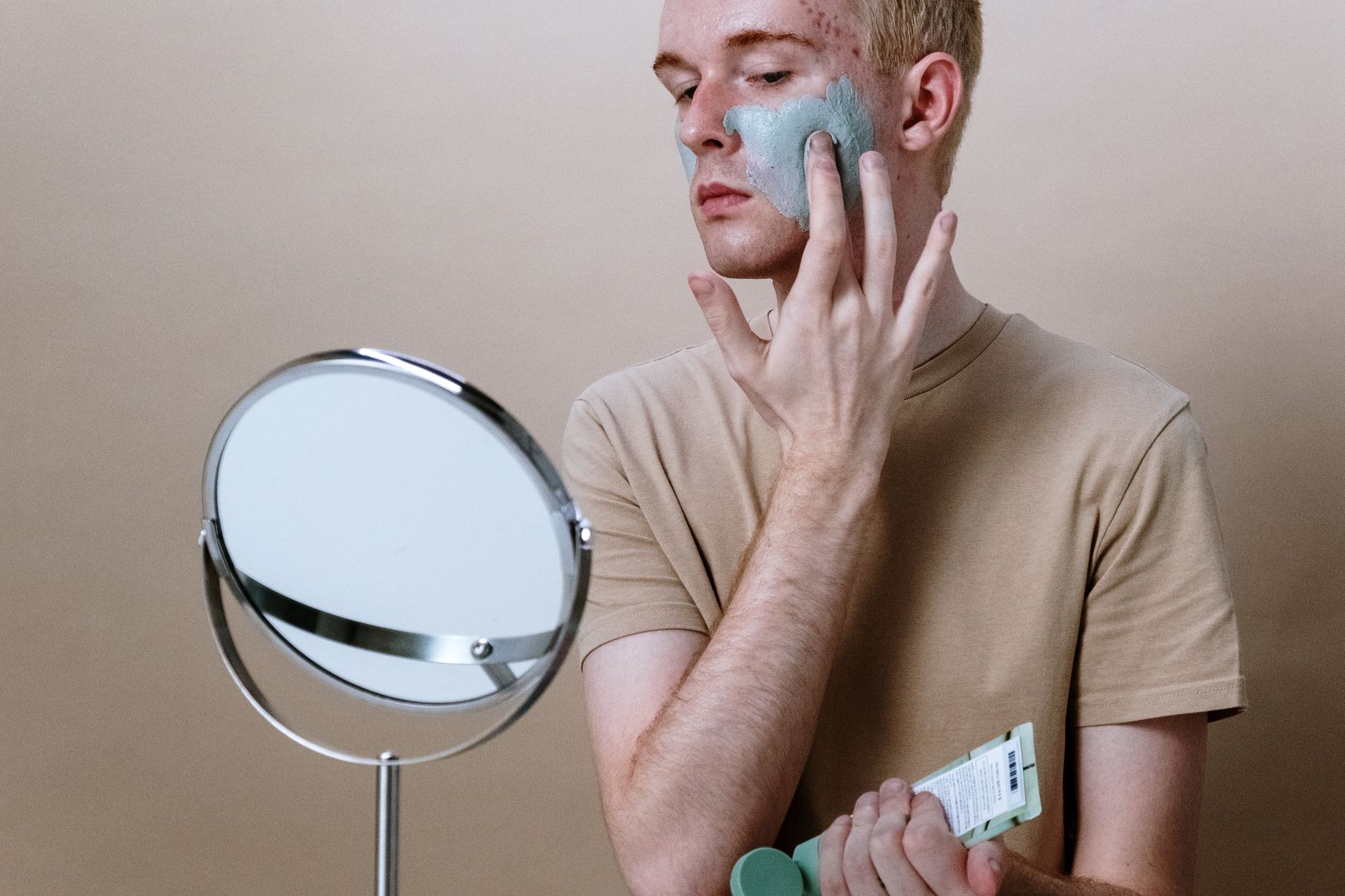
Inflammation drives acne from the earliest clogged pore to painful papules and pustules. Acne vulgaris is a chronic inflammatory disorder of the pilosebaceous unit, the hair follicle plus its oil gland. That inflammation affects adolescents most, but adult women also carry a high burden. Understanding the triggers and proven treatments helps readers choose timely, effective care in 2026.
Medical information disclaimer: This article is for general educational purposes only and does not provide medical advice, diagnosis, or treatment. Always consult a physician or other qualified health professional about symptoms, medications, tests, or treatment decisions.
Table of Contents
- How inflammation starts acne
- Who inflammation-related acne affects most
- What makes inflammation worse
- What to do next
- Frequently Asked Questions
How inflammation starts acne
Four factors interact: excess or altered sebum, abnormal follicular keratinization, microbiome imbalance, and local immune activation. According to a review in the Journal of the European Academy of Dermatology and Venereology, inflammation is present even in early lesions, not only in red pimples review in the Journal of the European Academy of Dermatology and Venereology.
Cutibacterium acnes activates innate receptors and CD4 T-cells. That response drives Th1 and Th17 pathways with elevated IL-1beta, IL-6, IL-8 and IL-17. The result is neutrophil recruitment, swelling, and pus.
Who inflammation-related acne affects most
Acne most commonly affects adolescents and young adults during pubertal sebaceous activation. About 85% of adolescents are affected, with burden peaking at ages 10-19.
Women show higher age-standardized prevalence, incidence and disability rates than men across ages. Adult acne concentrates especially at ages 26-30, so persistent breakouts after the teens are common.
What makes inflammation worse
Chronic stress makes an important contribution to acne pathogenesis. A 2026 transcriptome and phenotype analysis reported in Bioscience Reports via PubMed supports inflammation as causal rather than secondary analysis reported in Bioscience Reports via PubMed. Diet can add fuel.
Ultra-processed Western diets may raise insulin and activate mTORC1 signaling. That pathway promotes sebum production, keratinocyte proliferation, and cutaneous inflammation. Picking, harsh scrubbing, and pore-clogging products irritate the follicle wall. Less friction and steady, gentle care reduce added immune activation.
What to do next
Proven care targets cell clumping, sebum, bacteria, and inflammation together. The 2024 American Academy of Dermatology guidelines strongly recommend benzoyl peroxide, topical retinoids, topical antibiotics and oral doxycycline, with oral isotretinoin for severe disease guidelines published by the American Academy of Dermatology.
Use these practical steps to act early and prevent scars: Newer options clascoterone and sarecycline received only conditional recommendation because cost and access may limit equitable use. Ask about insurance coverage, generics, and lower-cost alternatives before starting.
- Treat new breakouts promptly and avoid picking or squeezing lesions.
- Use one evidence-based regimen consistently for 8-12 weeks before judging results.
- Track triggers such as stress, sleep loss, menstrual cycle, and heavy skin or hair products.
- Seek a dermatologist for severe, painful, scarring, or persistent acne, as the National Institute of Arthritis and Musculoskeletal and Skin Diseases advises guidance from the National Institute of Arthritis and Musculoskeletal and Skin Diseases.
Frequently Asked Questions
Is non-red acne still inflammatory?
Yes. Immune activation begins in early microcomedones before visible redness appears.
When should I see a dermatologist instead of treating acne myself?
Seek care for painful nodules, spreading breakouts, scarring, dark marks that persist, or acne that does not improve after consistent treatment.